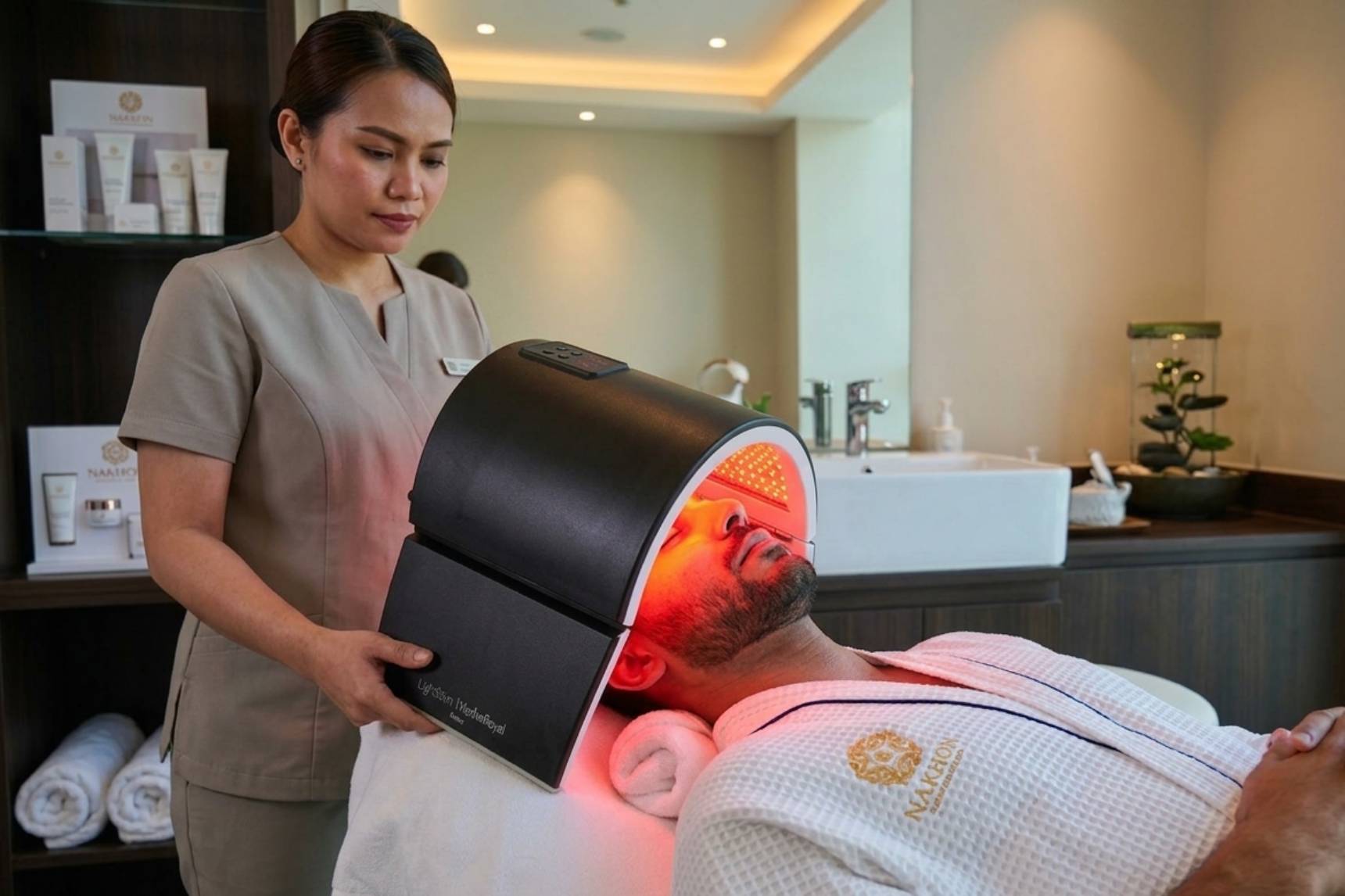
For decades, the pursuit of youthful, radiant skin seemed inextricably linked to medical offices, extended recovery times, and invasive procedures. The narrative was simple, albeit intimidating: if you wanted dramatic results, you had to endure dramatic measures. Today, however, we are standing at the precipice of a beauty revolution. The beauty landscape is undergoing a profound transformation, pivoting sharply away from the surgeon's scalpel and moving toward highly sophisticated, technology-driven, non-invasive therapies.
This monumental shift is not merely a fleeting trend. It represents a fundamental evolution in our understanding of human biology, cellular regeneration, and holistic wellness. As urban environments become more demanding and our understanding of skin health deepens, the future of beauty lies in working with the body’s natural processes rather than overriding them.
The Historical Quest for Youthful Skin
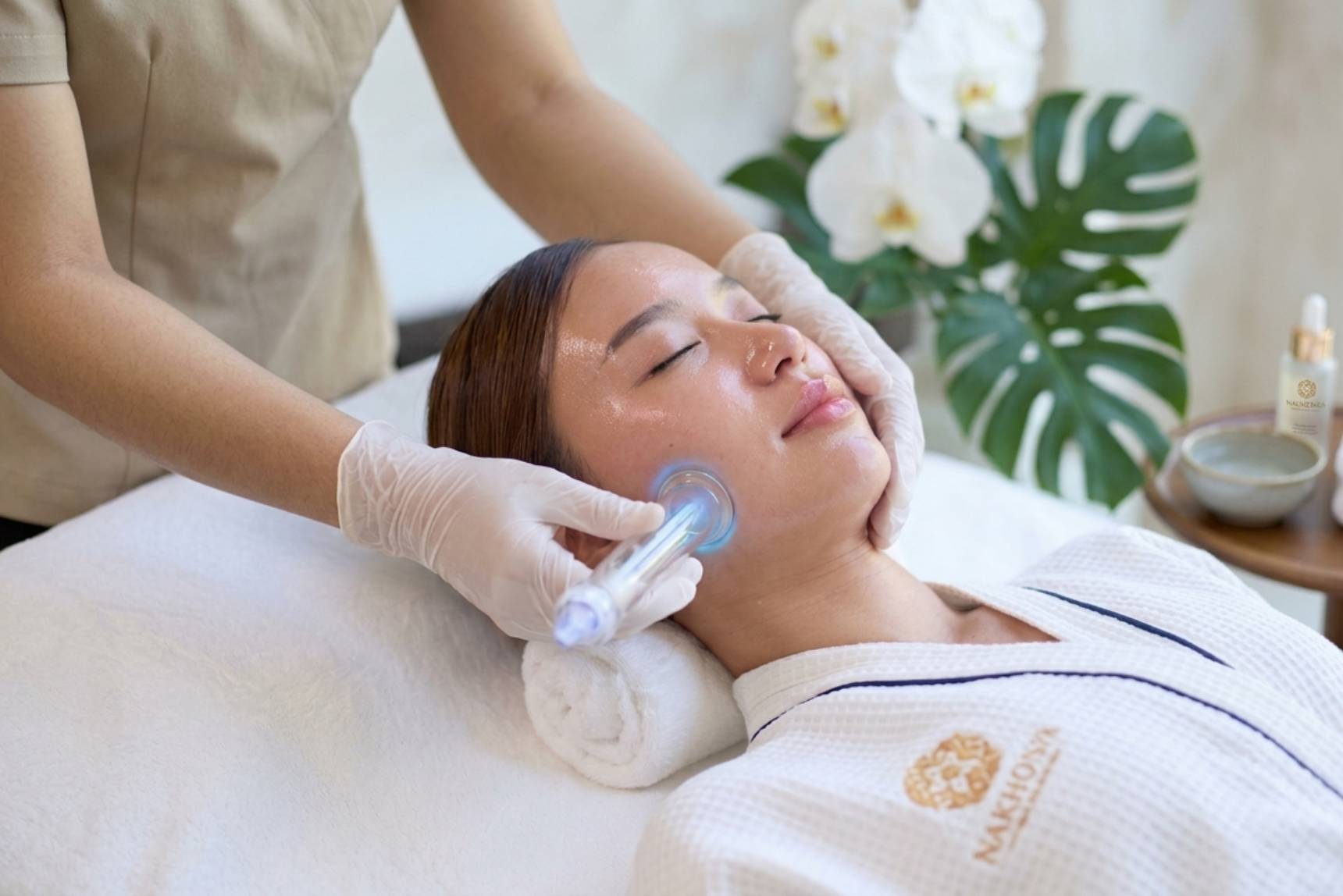
To truly appreciate the marvel of modern non-invasive treatments, we must first look backward. The human desire to preserve skin vitality is as old as civilization itself, though the methods have drastically evolved.
Fun Fact: Cleopatra is famously recorded in history for bathing in sour donkey milk. While it sounds like an eccentric royal luxury, this ancient beauty ritual was actually an early, primitive form of a chemical peel. The sour milk was rich in lactic acid, an alpha-hydroxy acid (AHA) that gently dissolved dead skin cells, revealing a brighter complexion beneath.
Similarly, ancient Roman and Greek civilizations utilized a tool called a strigil to forcefully scrape away sweat, oil, and dead skin—a highly abrasive precursor to modern exfoliation. Throughout the centuries, the underlying goal has remained identical: to remove the old and stimulate the new.
However, the late twentieth century saw the beauty industry take a more aggressive turn. The rise of cosmetic surgery promised immediate, structural changes. While effective for certain goals, these procedures brought a host of challenges, including immense physical trauma, the risk of infection, unnatural-looking results, and significant downtime. The modern consumer began to ask a crucial question: Is it possible to achieve profound, noticeable results without the pain and the recovery? The answer, unlocked by modern science, is a resounding yes.
Decoding the Non-Invasive Philosophy
What exactly does "non-invasive" mean in the context of advanced skincare? At its core, a non-invasive treatment is any procedure that does not require breaking the skin with incisions or physically altering the body's internal structure through surgical means. Instead of cutting or forcefully pulling the skin, these therapies utilize elements like light, sound waves, oxygen, water, and micro-currents to stimulate the skin’s biological functions at a cellular level.
The philosophy here is empowerment. Non-invasive treatments are designed to remind the skin how to heal and rejuvenate itself. As we age, our cellular turnover slows down. The production of collagen and elastin—the two vital proteins responsible for keeping our skin firm, plump, and elastic—begins to plummet in our mid-twenties. Environmental stressors, such as the intense pollution and UV radiation found in bustling metropolitan cities, further accelerate this degradation, leading to premature aging, hyperpigmentation, and compromised skin barriers.
Instead of stretching the skin tight over a degrading foundation, non-invasive treatments rebuild the foundation itself. They trick the body into entering a healing response, rushing fresh blood, oxygen, and nutrients to the surface, and shifting collagen production back into high gear.
The Science of High-Tech Glow
The sheer variety and efficacy of non-invasive technologies available today are staggering. Let us explore the mechanics behind some of the most prominent advancements shaping the future of spa treatments.
The Power of Hydration Technology
One of the most significant breakthroughs in non-invasive care is the shift from aggressive microdermabrasion to hydro-dermabrasion. Traditional methods used harsh crystals to physically sandblast the skin, which could cause micro-tears and inflammation. Modern advancements utilize the gentle yet powerful force of water.
By employing a specialized vortex technology, these treatments simultaneously vacuum out deeply embedded impurities, excess sebum, and environmental pollutants while flooding the open pores with customized serums rich in antioxidants, peptides, and hyaluronic acid. This dual-action approach is revolutionary because it respects the delicate acid mantle of the skin. It extracts without trauma and hydrates at a depth that topical creams simply cannot reach.
Light as Medicine: LED Therapy
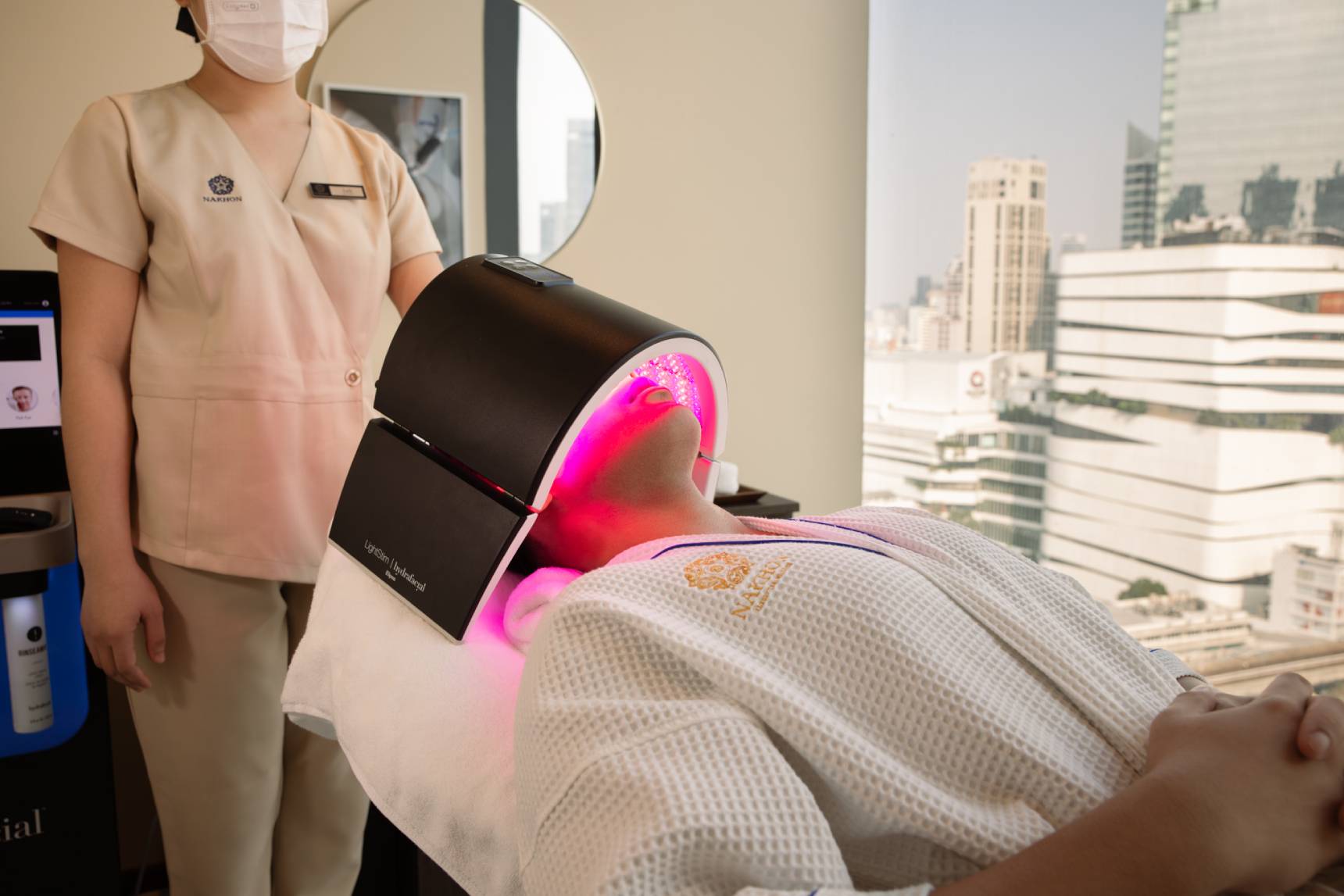
Another cornerstone of the non-invasive future is Light Emitting Diode (LED) therapy. Originally developed by NASA scientists in the 1990s to accelerate the healing of astronauts' wounds in the zero-gravity environment of space, this technology has been seamlessly adapted for aesthetic medicine.
Unlike ultraviolet (UV) light, which damages the DNA of skin cells, therapeutic LED light utilizes specific, safe wavelengths to trigger biological processes. Red light, for instance, penetrates deep into the dermis. Once absorbed by the cells, it boosts mitochondrial function—essentially giving the cells a surge of energy to produce more collagen and elastin. Blue light, conversely, works closer to the surface, targeting and destroying the P. acnes bacteria responsible for breakouts. It is a completely painless, deeply relaxing process that offers cumulative, structural benefits without a single moment of discomfort.
Muscular Re-education via Microcurrent
Often referred to as a "workout for the face," microcurrent therapy illustrates how non-invasive treatments target more than just the surface. This technology delivers low-level electrical currents that mimic the body’s natural bio-electrical frequencies. The facial muscles, much like the muscles in the rest of the body, lose their tone over time. The gentle electrical impulses stimulate these muscles, causing them to contract and strengthen, effectively lifting and sculpting the contours of the jawline, cheekbones, and brow.
Fun Fact: The skin is the largest organ in the human body, accounting for roughly 15% of your total body weight. It is completely renewed and replaced roughly every 28 days. Non-invasive treatments act as a catalyst to ensure this continuous renewal cycle happens as efficiently and flawlessly as possible.
The Psychological Shift: Redefining "Self-Care"
The meteoric rise of non-invasive treatments is not solely driven by technological advancements; it is equally fueled by a massive cultural shift in how we view wellness, self-care, and beauty.
In today’s hyper-connected, fast-paced world, time is the ultimate luxury. The modern professional simply cannot afford the weeks of social isolation required to recover from an invasive procedure. The demand has shifted toward the "lunchtime facial"—treatments that offer visible, high-impact results in under an hour, allowing clients to return immediately to their day, looking refreshed rather than recovering.
Furthermore, there is a growing emphasis on inclusivity and subtlety. The goal is no longer to look like a completely different person, but rather the most vibrant, rested version of oneself. This applies across demographics. Men's grooming, for example, has seen an exponential surge. Men are increasingly seeking targeted, non-invasive solutions to manage the effects of shaving irritation, environmental stress, and aging, shifting away from the stigma that professional skincare is exclusively for women. The focus has moved from vanity to hygiene, health, and professional presentation.
The Mind-Body Connection in Skincare
It is impossible to discuss the future of skin health without addressing the mind-body connection. The skin is uniquely intertwined with our nervous system. When we experience chronic psychological stress, our bodies release cortisol, a hormone that breaks down collagen, triggers excess oil production, and disrupts the skin barrier, leading to dullness, sensitivity, and breakouts.
This is where the environment of the treatment becomes just as important as the technology used. Medical clinics, while sterile and efficient, can often induce anxiety. The future of non-invasive treatments merges clinical-grade technology with the deeply restorative atmosphere of a luxury spa.
By receiving advanced therapies in a serene environment—accompanied by calming aromatherapy, expert touch, and a tranquil atmosphere—the body's parasympathetic nervous system is activated. This "rest and digest" state lowers cortisol levels, reduces systemic inflammation, and actually increases the efficacy of the skincare treatment. The synergy of high-tech machinery and holistic relaxation creates a compounding effect, resulting in a glow that radiates from true, internal health.
Conclusion: The Dawn of Preventative Beauty
The era of waiting for severe skin degradation before taking dramatic, painful action is officially over. We have entered the era of preventative beauty. Non-invasive skin treatments are the future because they align with a modern desire for health, longevity, and natural aesthetics. They offer a sustainable, progressive approach to skincare, acting as an ongoing investment rather than a one-time, high-risk gamble.
By prioritizing the strengthening of the skin barrier, the stimulation of natural proteins, and the deep, continuous cleansing of urban pollutants, these treatments ensure that our skin remains resilient against the tests of time and environment. The future of flawless skin does not require a scalpel; it requires consistency, advanced science, and the gentle touch of modern spa innovation.