
Every morning, millions of people around the world stand before a mirror and engage in a deeply profound psychological ritual. They examine their reflections, analyzing the texture, tone, and vitality of their skin. This moment is rarely just about vanity; it is a complex intersection of self-perception, emotional well-being, and physiological health.
The way we feel about our skin dictates how we carry ourselves throughout the day, influencing our posture, our eye contact, and our willingness to engage with the world. Skin confidence is not merely a superficial desire; it is a deeply rooted psychological anchor.
For decades, the beauty and wellness industries focused almost entirely on the surface, treating the skin as an isolated canvas. However, modern science has unveiled a fascinating paradigm shift: the profound, bidirectional relationship between the mind and the skin. This emerging field, known as psychodermatology, proves that your mental state directly impacts your complexion, and conversely, the health of your skin significantly affects your psychological equilibrium. Unlocking the psychology of skin confidence requires us to look beyond topical treatments and understand the intricate wiring of the human nervous system.
The Evolutionary Roots of the Glow
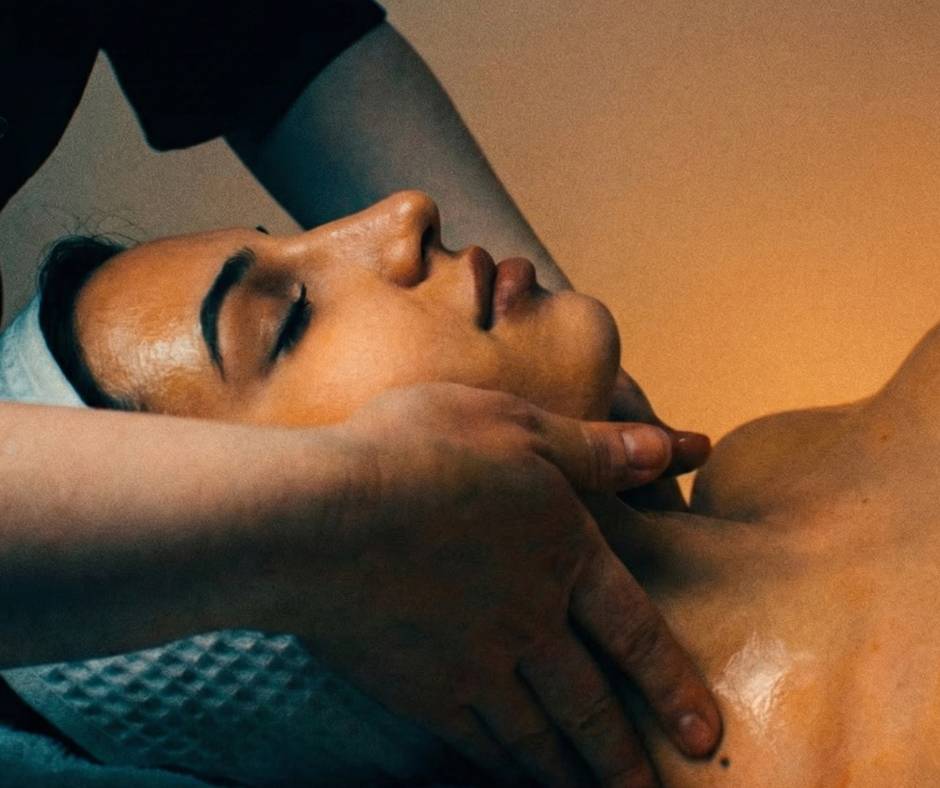
To understand why skin confidence holds such immense psychological weight, we must first look backward into human history and evolutionary biology. Our brains are hardwired to scan our environments for visual cues of health and vitality, and the skin is the largest, most visible organ of the human body. In our ancestral past, a clear, radiant complexion was not a beauty standard; it was a critical biological indicator. It communicated a robust immune system, an absence of parasites or disease, and general genetic fitness.
When we look in the mirror and desire a glowing complexion, we are responding to an ancient evolutionary imperative. We subconsciously want to project vitality to our social group. This biological drive explains why skin conditions can trigger such disproportionate psychological distress. When our skin acts up, our primal brain interprets it as a vulnerability, triggering feelings of exposure or a fear of social rejection. Understanding this evolutionary backdrop helps us cultivate self-compassion. The desire for healthy skin is not a modern superficial invention; it is a deeply human instinct tied to our survival and social integration.
Fun Fact: The pursuit of skin confidence through cosmetic intervention dates back millennia. Cleopatra is famously known for bathing in sour donkey milk. While it sounded purely indulgent, there was hidden science at play: the sour milk contained lactic acid, a natural alpha-hydroxy acid (AHA) that gently exfoliated the skin, promoting cellular turnover and a radiant glow long before modern dermatology understood the chemical mechanism.
The Brain-Skin Axis: The Biology of Stress
The connection between your thoughts and your complexion is not metaphorical; it is entirely literal and anatomical. In the embryonic stage of human development, both the brain and the skin develop from the exact same primary tissue layer called the ectoderm. As the fetus grows, the brain moves inward to form the central nervous system, and the skin moves outward to protect the body. Despite this physical separation, they remain intimately connected throughout our lives via a complex network of nerves, hormones, and immune cells known as the brain-skin axis.
When you experience psychological stress—whether it is a looming deadline, a difficult relationship, or financial anxiety—your brain initiates a systemic "fight or flight" response. The hypothalamus signals the pituitary gland, which in turn signals the adrenal glands to flood your system with cortisol, the primary stress hormone. While cortisol is necessary for immediate survival, chronic elevated cortisol wreaks havoc on the skin. It signals the sebaceous glands to produce excessive amounts of oil, trapping dead skin cells and bacteria, which frequently leads to breakouts.
Furthermore, psychological stress triggers the release of neuropeptides, such as Substance P, directly into the skin. These chemicals cause blood vessels to dilate and mast cells to release histamine, leading to redness, inflammation, and heightened sensitivity. This creates a deeply frustrating psychological loop: you experience stress, your skin breaks out or becomes inflamed, the visible skin condition causes you immense social anxiety, which generates more stress, further exacerbating the skin issue. Breaking this cycle requires more than just a chemical exfoliant; it requires psychological intervention and deep, intentional relaxation.
The Ritual of Skincare as Mindfulness and Grounding
If stress is the enemy of skin confidence, then the daily skincare routine can be an incredibly powerful antidote—if approached with the right mindset. Often, we rush through our routines, slapping on serums and moisturizers while mentally rehearsing the day's anxieties. However, when we slow down, the act of caring for the skin transforms from a chore into an act of mindfulness and psychological grounding.
Behavioral psychologists have long understood the power of routine in stabilizing mental health. A predictable, soothing morning or evening ritual provides a sense of control and order in an otherwise chaotic world. When you take the time to deeply cleanse, massage, and hydrate your skin, you are pulling your attention away from ruminating thoughts and anchoring it in the present moment. You are focusing on the tactile sensations—the temperature of the water, the slip of a luxury serum, the earthy aroma of botanical ingredients.
This sensory engagement is particularly profound when we consider the psychology of touch. The skin is embedded with highly specialized nerve fibers known as C-tactile afferents. These unique nerves do not detect pain or temperature; their sole purpose is to register gentle, slow, soothing touch. When these fibers are stimulated—whether through a deliberate facial massage at home or a professional spa treatment—they send immediate signals to the brain to decrease cortisol production and release oxytocin, the "bonding" or "cuddle" hormone. Oxytocin induces a profound sense of safety, trust, and relaxation. Therefore, the simple act of massaging a rich cream into your face is literally altering your brain chemistry, reducing systemic inflammation, and laying the physiological groundwork for true skin confidence.
The Halo Effect: How Radiance Transforms Social Dynamics

When you achieve a state of skin confidence, the psychological benefits radiate outward, fundamentally altering how you interact with the world. This transformation can be understood through the lens of a psychological phenomenon known as the "Halo Effect." Traditionally, the Halo Effect describes how our overall impression of a person influences our feelings about their specific traits. But we also apply a localized Halo Effect to ourselves based on our physical state.
When you feel good about your skin, you experience a phenomenon akin to "embodied cognition." You subconsciously change your physical posture. You stand taller, you lift your chin, and most importantly, you maintain stronger, more sustained eye contact. Eye contact is the bedrock of human connection, essential for building trust, demonstrating competence, and fostering intimacy. Conversely, when individuals struggle with severe acne, rosacea, or premature aging, psychological studies show they often adopt defensive body language. They may subconsciously hunch their shoulders, look down, or use their hair or hands to obscure their face, attempting to become invisible.
By investing in skin health, you are effectively removing these psychological barriers. Skin confidence allows you to be fully present in a room, entirely focused on the conversation rather than worrying about the lighting or how your complexion is being perceived. This newfound presence makes you naturally more charismatic and engaging, creating a positive feedback loop where confident behavior elicits positive reactions from others, further reinforcing your internal sense of self-worth.
Breaking Boundaries: The Universal Need for Skin Confidence
For a long time, the dialogue surrounding skincare and skin confidence was heavily gendered, marketed almost exclusively to women under the guise of anti-aging or cosmetic enhancement. However, the psychology of skin confidence is universally human. We are witnessing a massive, welcome cultural shift as men increasingly recognize that caring for their skin is a fundamental aspect of holistic health and professional confidence.
Men's grooming is no longer a taboo or a whispered secret; it is an essential pillar of modern self-care. The psychological pressures of the modern world do not discriminate by gender. Men experience the exact same cortisol spikes, the same stress-induced inflammation, and the same evolutionary desires to project vitality and competence. A refined, minimalist grooming routine—focused on deep cleansing, hydration, and protection—provides men with the same psychological grounding and oxytocin release.
Whether navigating a high-stakes corporate environment or enjoying the vibrant, humid energy of a bustling metropolis like Bangkok, skin confidence provides a universal armor. It allows individuals to step out into the world feeling prepared, polished, and internally calm. The modern approach to skincare has transcended vanity; it is now rightfully recognized as an investment in mental resilience and psychological well-being.
Fun Fact: The human face has 43 muscles, and the tension we hold in these muscles directly affects our mood. Charles Darwin first proposed the "facial feedback hypothesis" in 1872, suggesting that our facial expressions don't just reflect our emotions; they actively influence them. When you release facial tension through targeted massage and skincare, you are literally signaling to your brain that it is safe to relax, proving that a relaxed face leads to a relaxed mind.
The Architecture of a Confidence-Building Routine

Building true skin confidence is not about acquiring a cabinet full of the most expensive, complex chemical formulations. It is about intention, consistency, and creating a routine that honors both the biological needs of the skin and the psychological needs of the mind. The most effective routines are often built on minimalist, luxurious principles that prioritize the health of the skin barrier above all else.
The skin barrier, or the stratum corneum, is the outermost layer of the skin, acting as a brick-and-mortar defense system. When this barrier is compromised by harsh scrubbing, excessive acid use, or environmental pollutants, the skin becomes inflamed, reactive, and unpredictable. This unpredictability is a massive source of psychological stress. Therefore, the foundation of skin confidence is barrier repair and maintenance.
A routine designed for psychological and physical harmony focuses on gentle, effective cleansing to remove the environmental debris of the day without stripping natural lipids. It incorporates deep, sustained hydration—using ingredients like hyaluronic acid and ceramides—to plump the skin and restore its natural resilience. Finally, it requires diligent protection, shielding the skin from the UV radiation and urban pollution that accelerate cellular degradation. When you commit to a routine that actively protects and nourishes rather than aggressively attacks perceived flaws, you cultivate a relationship of respect with your skin. You shift from a mindset of "fixing" yourself to a mindset of caring for yourself.
The Sanctuary of Professional Care
While a consistent daily routine at home is the bedrock of skin confidence, there is a profound psychological elevation that occurs when we surrender ourselves to professional care. We live in an era of hyper-independence and constant digital connectivity, where our nervous systems are chronically overstimulated. Stepping into a dedicated wellness space provides a rare and vital opportunity to unplug and allow someone else to take the reins.
The environment of a premium spa is meticulously engineered for psychological decompression. From the acoustic design that muffles the chaos of the outside world to the specific olfactory cues of calming essential oils, every element is designed to lower your heart rate and down-regulate your nervous system. When you receive a professional facial or a deeply restorative massage, you are experiencing the ultimate manifestation of the brain-skin axis in action.
The skilled, rhythmic touch of a professional therapist stimulates those crucial C-tactile afferents on a scale that is difficult to achieve alone. As the tension melts from your facial muscles, your jaw unclinches, and the lymphatic fluid is manually drained, reducing puffiness and stagnation. You are not just receiving a topical treatment; you are receiving a neurological reset. The radiant, glowing complexion you see in the mirror post-treatment is certainly the result of high-quality products and professional techniques, but it is equally the result of a mind that has been allowed to reach a state of deep, restorative peace.
Discover Your Confidence at Nakhon Spa
Understanding the profound psychology behind skin confidence transforms how we view self-care. It elevates skincare from a daily chore to a vital practice of mental health, emotional grounding, and social empowerment. Your skin is the communicator of your internal world, and when you nurture your mind, your complexion naturally follows suit.
At Nakhon Spa, we understand that true radiance cannot be achieved through a purely clinical approach. We recognize the inseparable link between a tranquil mind and a glowing complexion. Located in the vibrant heart of Bangkok, our sanctuary is designed to help you escape the relentless pace of urban life and reconnect with your inner calm.
Whether you are seeking a deeply purifying facial to combat environmental stressors, a meticulous grooming treatment to elevate your professional presence, or a restorative massage to melt away the physical manifestations of anxiety, our expert therapists are dedicated to your holistic well-being. We combine time-honored techniques with a luxurious, minimalist aesthetic to provide treatments that honor both the science of your skin and the psychology of your soul.
Skin confidence is not a luxury reserved for the few; it is a state of being that you deserve to cultivate. It is the freedom to look in the mirror and feel entirely at peace with the reflection looking back at you. Take the first step toward unmasking your ultimate confidence. Step out of the noise and into the tranquility of Nakhon Spa, where your journey to profound mental and physical radiance begins.