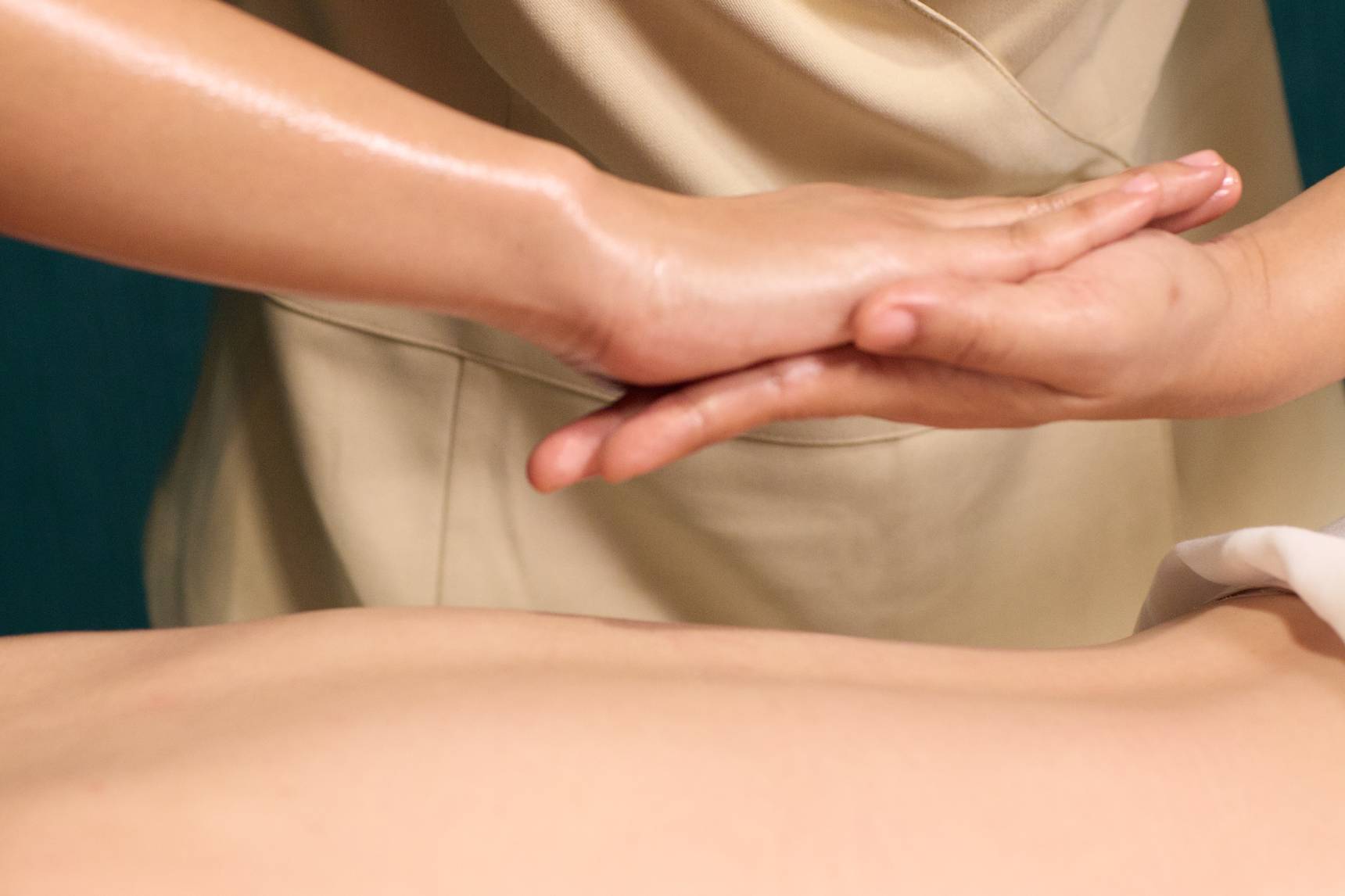
In the landscape of modern health, the line between mind and body is increasingly understood to be porous. A psychophysiological disorder is a clear manifestation of this connection, where emotional or mental distress, such as chronic stress and anxiety, produces tangible physical symptoms. The tension headache that appears during a stressful work week or the debilitating back pain that flares up before a major deadline are classic examples.
In our technology-driven world, these conditions are becoming epidemic, fueled by high-pressure environments and poor physical habits. Effectively treating and preventing them requires a holistic strategy that addresses both the psychological triggers and the physiological strain—a role for which aromatherapy massage is uniquely suited.
The Physical Manifestation: How Workplace Stress Harms the Spine
For many office workers, the primary physical stressor is the desk setup. The science of how repetitive strain and poor ergonomics increase load on cervical and lumbar discs is clear and alarming. The human spine is designed with natural curves that efficiently distribute the body's weight. However, when we slouch, crane our necks forward to see a screen ("tech neck"), or sit in an unsupportive chair, these curves are compromised.
This poor posture dramatically increases the biomechanical load on the intervertebral discs—the gel-like cushions that sit between our vertebrae. For every inch the head moves forward from a neutral position, it adds approximately 10 pounds of pressure to the cervical spine. Sustained over months and years, this immense load can accelerate disc degeneration, lead to painful herniations, and contribute to chronic neck and lower back pain. This purely physical strain is the "physiological" component of the disorder, a direct result of the modern work environment.
A Proactive Defense: Combining Ergonomics and Therapeutic Massage
Preventing these conditions from taking root requires a two-pronged physical approach: modifying the environment and treating the body. These preventive strategies are essential for mitigating the risk of long-term musculoskeletal disorders (MSDs).
First, ergonomic interventions are the crucial first line of defense. This involves creating a workspace that supports a neutral posture: an adjustable chair with lumbar support, a monitor positioned at eye level, and a keyboard that allows the wrists to remain straight. Taking regular breaks to stand and stretch is also critical to interrupt the static load on the spine.
However, ergonomics alone cannot always reverse the accumulated tension. This is where targeted massage therapies become an essential corrective tool:
- Myofascial Release: This technique focuses on releasing the fascia, the web of connective tissue that surrounds muscles. Poor posture can cause the fascia to become tight and restricted, and myofascial release works to lengthen and free these adhesions.
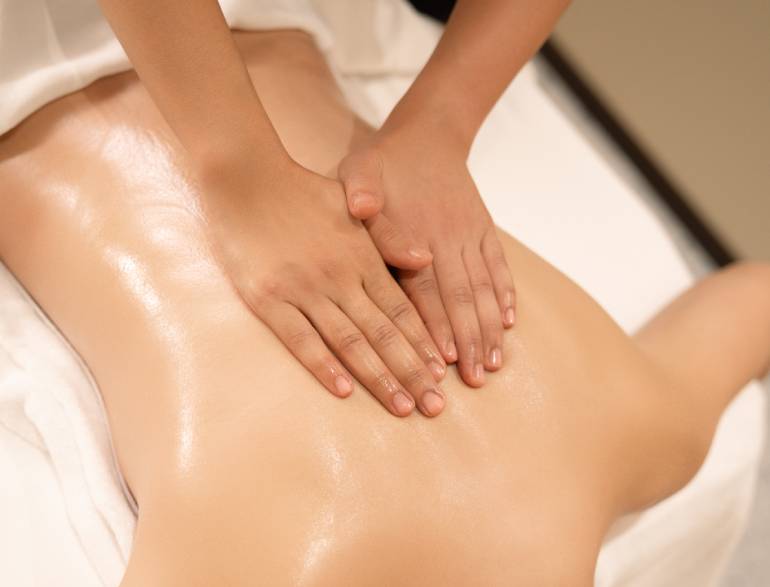
- Oil Massage: A classic oil massage helps to warm up muscle tissue, improve blood circulation to areas starved of oxygen by chronic tension, and induce a state of general relaxation.
- Thai Stretching: The assisted stretching inherent in traditional Thai massage is exceptionally effective at decompressing the spine. These movements gently counteract the compressive forces of prolonged sitting, improve flexibility in the hips and shoulders, and restore mobility. The deep expertise in these techniques found in wellness centers in Bangkok makes it a go-to therapy for postural correction.
Calming the Command Center: Aromatherapy's Role in the "Psycho" Component

While massage addresses the physical "soma," aromatherapy directly targets the "psycho" component. Mental stress creates a vicious feedback loop: stress causes the release of cortisol, which leads to subconscious muscle guarding and tension. This physical tension then creates pain, which the brain registers as another stressor, leading to more cortisol and more tension.
Aromatherapy offers a direct pathway to interrupt this cycle. When essential oil molecules are inhaled, they travel directly to the limbic system of the brain—the center for emotion, memory, and stress regulation. Scents like lavender, bergamot, and ylang-ylang have been shown to calm the hypothalamic-pituitary-adrenal (HPA) axis, our central stress response system. This helps to:
- Reduce Cortisol Levels: Lowering the primary stress hormone allows the body to shift out of "fight or flight" mode.
- Promote a Parasympathetic State: It encourages the "rest and digest" nervous system state, where heart rate slows, breathing deepens, and muscles naturally begin to release.
By calming the nervous system before and during the massage, aromatherapy makes the physical treatment far more effective. The body is more receptive to the therapist's touch, allowing for a deeper, more lasting release of tension.
The synergy of this approach provides a comprehensive solution for psychophysiological disorders. The ergonomic adjustments reduce the daily physical strain. The massage therapies physically release the built-up tension, decompress the spine, and correct dysfunctional patterns. Simultaneously, the aromatherapy calms the neurological stress loop that initiated and perpetuates the physical tension. This integrated strategy doesn't just treat symptoms; it addresses the root cause from both a mental and physical standpoint, making it a cornerstone of modern preventative health.