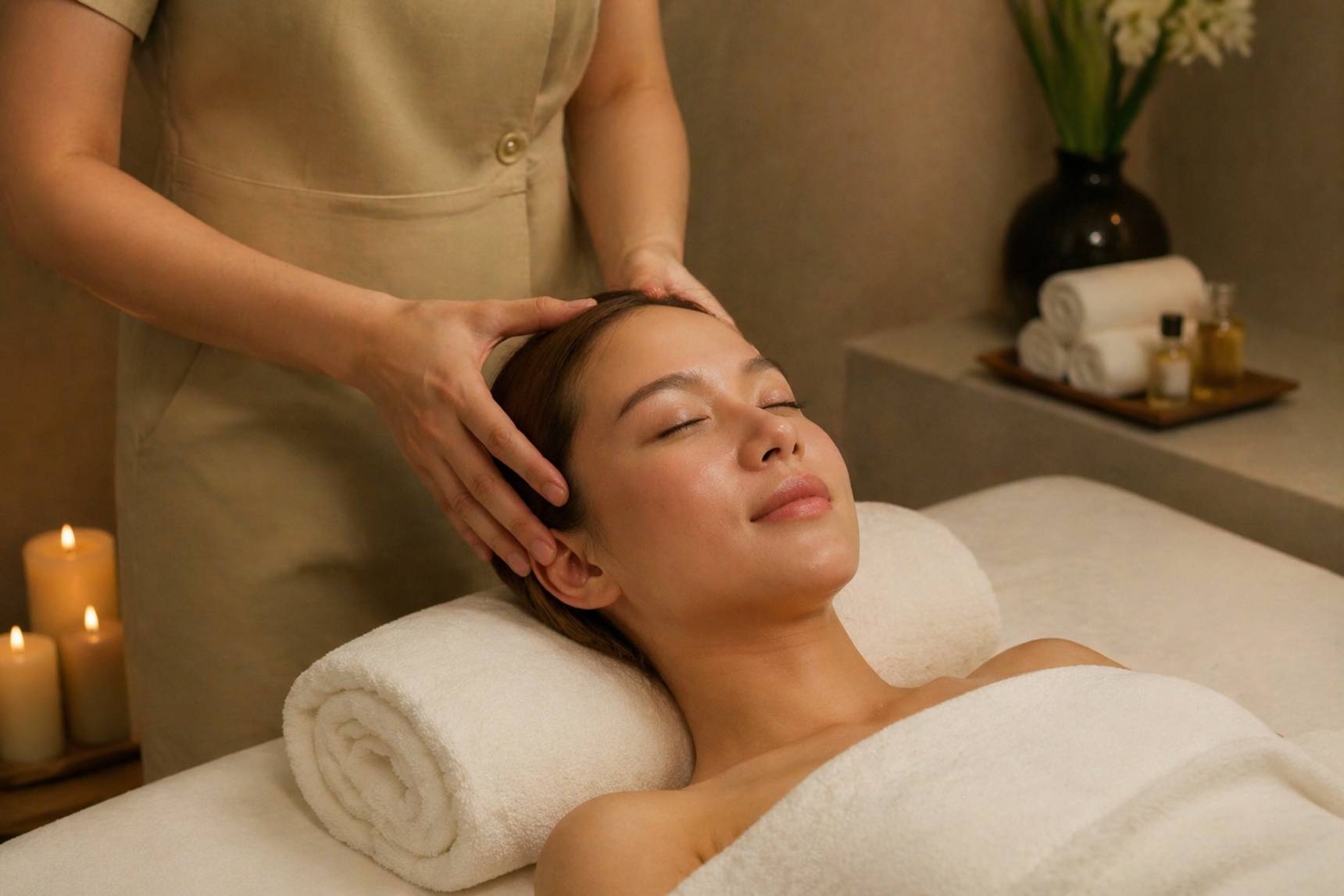
The pursuit of radiant, healthy skin is a journey as old as human history, but the modern landscape of skincare has never been more complex or saturated with options. If you find yourself staring in the mirror, analyzing a new fine line, a stubborn patch of hyperpigmentation, or simply a dull complexion that has lost its vitality, you inevitably face a modern dilemma: do you book an appointment for a luxury spa facial, or do you need the clinical expertise of a dermatologist?
For many, the lines between these two distinct worlds have blurred. Spas now offer high-tech gadgets that look like they belong on a spaceship, while dermatology clinics have begun incorporating softer, aesthetic touches into their sterile environments. However, fundamentally, these two institutions serve different, albeit complementary, purposes. Understanding the core philosophies, the scientific approaches, and the ultimate capabilities of both a luxury spa and a dermatology clinic is the secret to unlocking your best skin. This comprehensive guide will take you on a journey through the science of skincare, helping you navigate this choice with confidence and clarity.
The Evolution of Skin Wellness: A Tale of Two Philosophies
To truly understand the difference between a luxury spa experience and a clinical dermatology visit, it is fascinating to look back at how we arrived here. The desire to manipulate and improve the skin is not a modern vanity; it is an ancient practice rooted in both survival and status.
Fun fact: The concept of a chemical peel is not a modern invention. History tells us that Cleopatra, the legendary Queen of the Ptolemaic Kingdom of Egypt, bathed in sour milk. While she likely did not understand the molecular chemistry at play, she was actively utilizing lactic acid—an alpha hydroxy acid (AHA) still widely used in modern luxury facials and clinical peels today—to gently exfoliate the uppermost layers of her skin, revealing the brighter, softer tissue beneath.
For centuries, skincare was inherently tied to the spa and bathhouse cultures of the world. From the Roman thermae to the traditional Thai wellness practices that inspire modern sanctuaries like Nakhon Spa, the focus was deeply holistic. Skincare was about purification, circulation, and the undeniable connection between a relaxed mind and a radiant physical appearance. It was understood, long before modern science could prove it, that stress robbed the skin of its vitality.
Dermatology, on the other hand, emerged much later as a distinct branch of medicine focused strictly on pathology. It was born out of the necessity to treat severe skin diseases, infections, and systemic conditions that manifested on the body’s largest organ. The clinical approach is, by definition, reactionary and corrective. It focuses on the cellular and molecular breakdown of the skin and utilizes medical interventions to force a biological response.
Today, we stand at a fascinating intersection where the ancient wisdom of the spa meets the cutting-edge science of the clinic. Yet, their core missions remain distinct.
The Deep Dive: The Realm of the Luxury Spa Facial
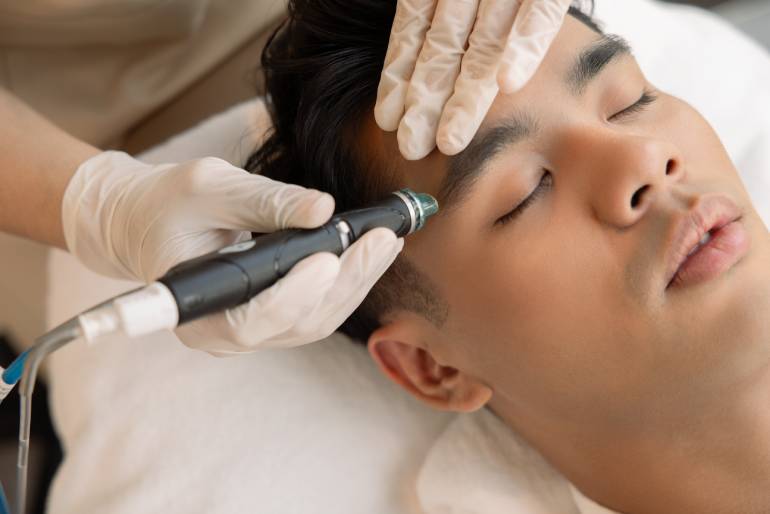
When you step into a luxury spa, you are not merely entering a building; you are crossing a threshold into a carefully curated sensory environment designed to alter your physiological state. This is where the magic of a luxury facial begins, long before a single product touches your skin.
A luxury spa facial is fundamentally rooted in the concept of barrier support, deep nourishment, and the undeniable power of holistic wellness. The treatments are non-invasive or minimally invasive, focusing on the epidermis—the outermost layer of the skin.
One of the most profound, yet often overlooked, benefits of a luxury spa facial is its direct impact on your nervous system. In our fast-paced, always-on modern world, many of us live in a chronic state of sympathetic nervous system dominance—the infamous "fight or flight" mode. When you are stressed, your body pumps out cortisol, a stress hormone that wreaks absolute havoc on your skin. High cortisol levels signal your sebaceous glands to produce more oil, leading to breakouts and congestion. It also accelerates the breakdown of collagen and elastin, the very structural proteins that keep your skin firm and youthful.
The environment of a luxury spa—the ambient lighting, the specific frequencies of the background music, the aromatic essential oils, and, most importantly, the power of human touch—forces your body to shift into the parasympathetic nervous system, or the "rest and digest" state. As your cortisol levels plummet during a massage, your skin’s natural healing mechanisms are instantly optimized.
Furthermore, the tools and products used in a luxury facial are designed to pamper and perfect without causing significant trauma to the skin. You will encounter deeply hydrating serums containing high-molecular-weight hyaluronic acid that plumps the skin by drawing moisture from the environment. You might experience the gentle exfoliation of enzymatic peels derived from papaya or pineapple, which digest dead skin cells without the aggressive stinging of clinical acids.
Modern luxury facials, like those favored by grooming aficionados and wellness seekers at Nakhon Spa, also heavily incorporate advanced, non-ablative technology. LED light therapy, for instance, uses specific wavelengths of light to stimulate cellular energy. Red light therapy penetrates deep into the skin to encourage the mitochondria (the powerhouse of the cell) to produce more ATP (adenosine triphosphate), effectively giving your skin cells the energy they need to repair themselves and produce fresh collagen. Microcurrent therapy acts as a workout for your facial muscles, delivering low-level electrical currents that mimic the body’s natural ionic flow, resulting in an immediate, albeit temporary, lifted and sculpted appearance.
The luxury facial is your go-to for maintenance, prevention, deep hydration, and that immediate, undeniable "glow" that makes you look like you just returned from a month-long vacation. It is about treating the skin with kindness, supporting its natural functions, and nurturing the mind-body connection.
The Deep Dive: The Precision of the Dermatology Clinic
If the luxury spa is a nurturing sanctuary, the dermatology clinic is a high-tech laboratory. When you visit a dermatologist, you are consulting with a medical doctor who has spent over a decade studying the complex anatomy, physiology, and pathology of the skin, hair, and nails.
The clinical approach is inherently medical. It is less concerned with the sensory experience of the treatment and intensely focused on the biological outcome. Dermatologists have access to a completely different arsenal of tools, primarily because they are legally permitted to bypass the epidermal barrier and create controlled injury to the deeper layers of the skin—the dermis.
This concept of "controlled injury" is the cornerstone of many clinical dermatological treatments. Fun fact: The underlying mechanism for almost all intensive anti-aging treatments—from lasers to deep chemical peels to medical microneedling—is effectively tricking your body into believing it has been wounded. When a dermatologist uses a fractional laser to punch microscopic holes into your dermis, your body's emergency response system activates. It rushes blood, oxygen, and a massive surge of new collagen and elastin to the "wounded" area to heal it. As the microscopic wounds heal, the skin tightens, hyperpigmentation is pushed out, and acne scars are filled in from below.
A dermatology clinic is the necessary destination when you are dealing with a diagnosed skin condition or a profound aesthetic concern that topical products and superficial treatments simply cannot reach. If you are battling severe cystic acne, a spa facial may provide temporary relief by clearing surface congestion, but a dermatologist can prescribe oral medications like isotretinoin or topical retinoids that alter the cellular turnover rate and shrink oil glands.
Similarly, if you are dealing with deeply rooted melasma (a complex pigmentation disorder often triggered by hormones), severe sun damage that has altered the DNA of your skin cells, or significant volume loss and deep rhytides (wrinkles), clinical intervention is required. Dermatologists utilize injectables like neuromodulators (Botox) to temporarily paralyze the muscles that cause dynamic wrinkles, or dermal fillers to physically replace lost bone and fat volume in the face.
The trade-off for this dramatic, long-lasting clinical efficacy is downtime and discomfort. Clinical treatments are rarely described as relaxing. A medium-depth TCA (trichloroacetic acid) peel will leave your skin shedding like a snake for a week. A session of intense pulsed light (IPL) or laser resurfacing requires strict avoidance of the sun and diligent wound care. The environment is sterile, the focus is clinical, and the goal is structural change.
Comparing the Arsenals: Products, Potency, and Penetration
To truly grasp the difference, we must look at the specific compounds and technologies utilized in both environments. The dividing line often comes down to potency and penetration depth.
The Product Paradigm:
In a luxury spa setting, estheticians utilize professional-grade skincare lines. These are significantly more concentrated than what you can buy at a local drugstore, but they are still formulated to be safe for non-medical application. The focus is on botanicals, peptides, ceramides, and stabilized antioxidants like Vitamin C. These ingredients excel at repairing the skin barrier, neutralizing free radicals caused by pollution, and providing immense hydration.
In a dermatology clinic, you enter the realm of medical-grade and prescription skincare. Dermatologists traffic in pure, potent actives. They prescribe Tretinoin (pure retinoic acid), which is vastly more powerful than the over-the-counter retinol used in spa facials. Tretinoin binds directly to the retinoic acid receptors in the skin cells, fundamentally changing how the cell behaves and forcing it to turn over more rapidly. This makes it a powerhouse for anti-aging and acne, but it also carries a high risk of irritation, peeling, and redness—side effects that are antithetical to the spa experience.
The Technological Divide:
While spas use technology to enhance topical penetration and stimulate superficial circulation (like ultrasonic spatulas that use high-frequency vibrations to clear pores), clinical technology is designed to ablate or bypass the surface.
For example, an esthetician might use a superficial microdermabrasion machine to polish away dead skin cells, leaving you instantly smooth. A dermatologist, conversely, might use an ablative Erbium laser that vaporizes the outer layers of the skin entirely, requiring weeks of recovery but resulting in a completely resurfaced complexion.
The Power of Touch:
Perhaps the most significant difference lies in the human element. In a dermatology clinic, touch is diagnostic and procedural. The doctor touches your skin to assess its elasticity, map out injection sites, or apply a chemical solution. It is precise and brief.
In a luxury spa, touch is therapeutic. The facial massage is not a frivolous add-on; it is a critical component of the treatment. Skilled estheticians use specific massage techniques, including lymphatic drainage, to manually move stagnant fluid out of the facial tissues, reducing puffiness and defining the jawline. The physical manipulation of the facial muscles releases tension that contributes to the formation of expression lines. This deep, sustained, intentional touch is scientifically proven to lower heart rate and induce a state of profound psychological well-being.
Bridging the Gap: The Perfect Skincare Ecosystem
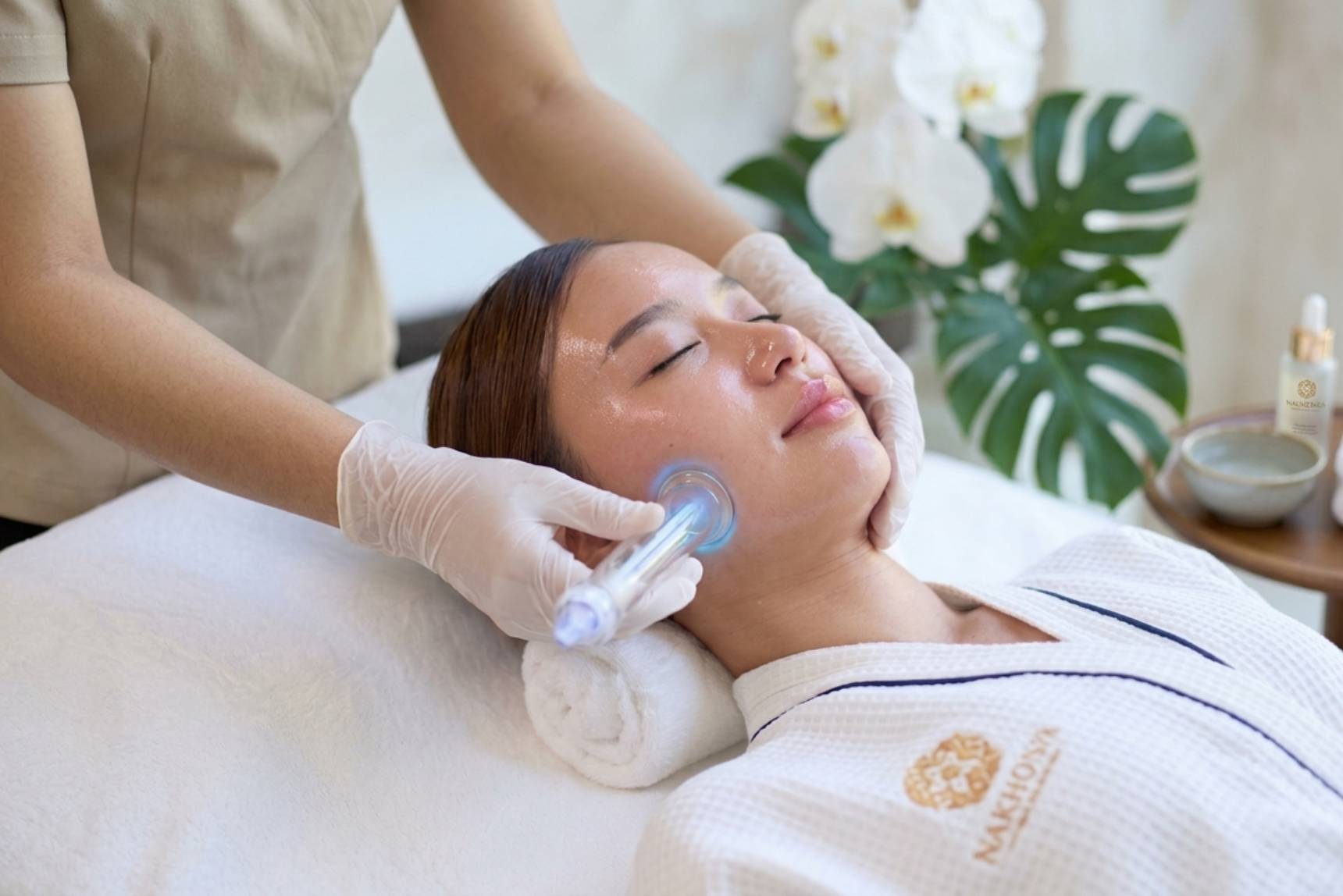
The most sophisticated approach to skincare is realizing that this is not a zero-sum game. You do not have to pledge allegiance to either the spa or the clinic; the best results come from strategically utilizing both. The modern skincare connoisseur understands that these two institutions form a complete ecosystem of skin health.
Think of your skin like a luxury vehicle. The dermatologist is the master mechanic you visit for major engine overhauls, structural repairs, and complex diagnostics. The luxury spa is the premium detailing service you visit regularly to protect the paint, condition the leather, maintain the vehicle's pristine condition, and enjoy the ride.
If you undergo an intense clinical procedure, such as a deep laser resurfacing or a strong chemical peel, your skin will require a period of recovery. Once the initial healing phase is over, a luxury spa facial focused on barrier repair—infusing the newly revealed skin with ceramides, lipids, and deep hydration—is the perfect follow-up.
Conversely, regular visits to a spa like Nakhon Spa can actually prolong the results of dermatological treatments. By keeping the skin consistently exfoliated, hydrated, and free of cellular debris through regular luxury facials, you optimize the canvas. Skincare products penetrate better, and you may find you require invasive clinical treatments less frequently.
For men, in particular, who are increasingly embracing comprehensive grooming routines, the spa facial offers an essential intervention. Men’s skin is structurally different—typically 25% thicker than women's skin, with larger pores and a higher density of sebaceous glands due to testosterone. This makes it more prone to congestion and rough texture. Furthermore, daily shaving acts as a constant physical exfoliant that can severely compromise the lipid barrier, leading to chronic irritation. A luxury facial provides the intense hydration and deep, professional extraction that a home routine simply cannot achieve, without the intimidating sterility of a doctor's office.
Making Your Choice: A Guided Approach
So, how do you make the ultimate decision when booking your next appointment? It comes down to asking yourself a few critical, brutally honest questions about your current skin state, your goals, and your lifestyle.
You should book a Luxury Spa Facial if:
- Your primary goal is maintenance and prevention. You have generally good skin but want to keep it looking vibrant, hydrated, and youthful.
- You need an immediate result without downtime. You have a major event—a wedding, a gala, a critical presentation—this weekend, and you need to look radiant and flawless right now.
- You are seeking stress relief. You are mentally exhausted, and you recognize that your stress is showing up on your face as dullness or tension. You need an experience that heals your mind as much as your skin.
- Your skin barrier is compromised. If your skin feels tight, itchy, constantly red, or overly sensitive to your normal products, you do not need aggressive clinical treatments; you need the deep, restorative nourishment that a spa facial provides.
You should book a Dermatology Clinic appointment if:
- You are battling a diagnosed skin condition. Severe acne, cystic breakouts, rosacea, eczema, or psoriasis require medical diagnosis and prescription intervention.
- You want to reverse deep structural damage. You are looking to eradicate deep acne scarring, significant sun spots, or deep-set wrinkles that have already formed.
- You are ready to accept downtime. You have the time and patience to deal with peeling, redness, or swelling in exchange for dramatic, long-term results.
- You require injectables. You are looking for Botox, dermal fillers, or fat dissolving injections to alter the structure or movement of your face.
The Final Verdict
The debate between a luxury spa facial and a dermatology clinic is a false dichotomy. Neither is inherently "better" than the other; they are fundamentally different tools designed for different jobs.
Dermatology provides the heavy lifting, the structural correction, and the medical intervention necessary to cure disease and reverse significant damage. But a luxury spa facial provides the soul of skincare. It offers the consistent maintenance, the deep hydration, the stress relief, and the vital barrier support that keeps your skin resilient day in and day out.
Ultimately, true skin wellness is not found solely in the sterile glow of a clinical examination light, nor is it found entirely in the fragrant calm of a spa room. It is found in the intelligent, educated integration of both. By understanding the science behind the glow, you empower yourself to give your skin exactly what it needs, exactly when it needs it.