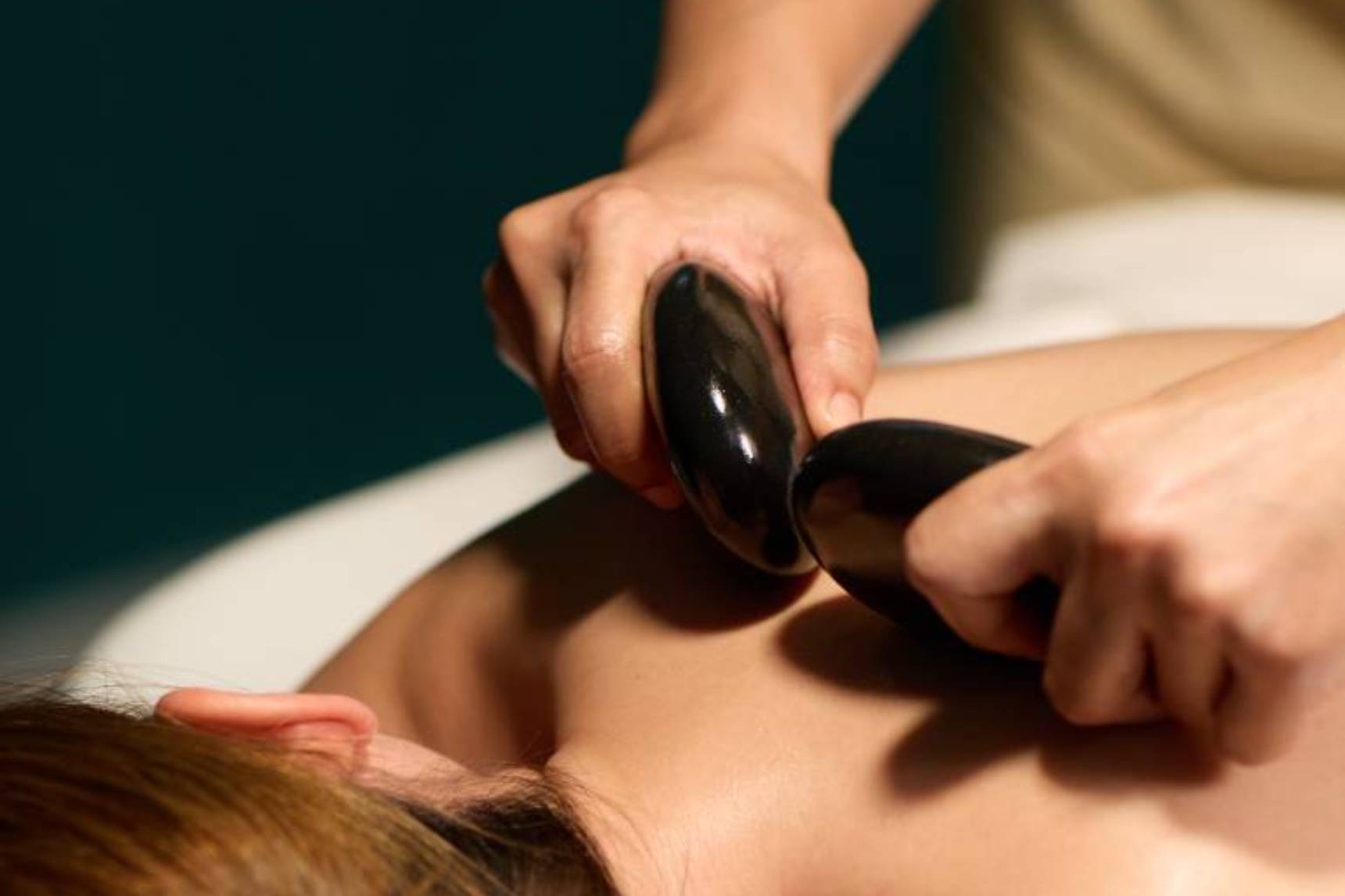
When you step into the serene environment of a sanctuary like Nakhon Spa, your senses are immediately greeted by a symphony of calm. The fragrant vapor of lemongrass and camphor dances in the air, the soft lighting invites your eyes to rest, and the gentle, rhythmic melodies playing in the background signal to your nervous system that it is time to downshift.
Most people seek out traditional Thai healing to soothe aching muscles, release the tension trapped in a stiff neck from hours hunched over a desk, or simply to find an hour of quiet away from the bustling world. However, to view traditional Thai massage and healing therapies merely as a form of physical manipulation is to only read the cover of a deeply profound, ancient book.
Beneath the stretches, the rhythmic compressions, and the deep tissue work lies a vast, invisible landscape of spiritual philosophy and holistic energy management. Traditional Thai medicine is not simply a biological science; it is a sacred art form born from a beautiful synthesis of Buddhist philosophy, ancient Ayurvedic practices, and indigenous animist beliefs. Today, we invite you to journey beyond the physical and discover the spiritual side of Thai healing—a profound exploration of how ancient wisdom seeks to harmonize the body, the mind, and the spirit.
The Sacred Origins: A Medicine Born in the Monastery
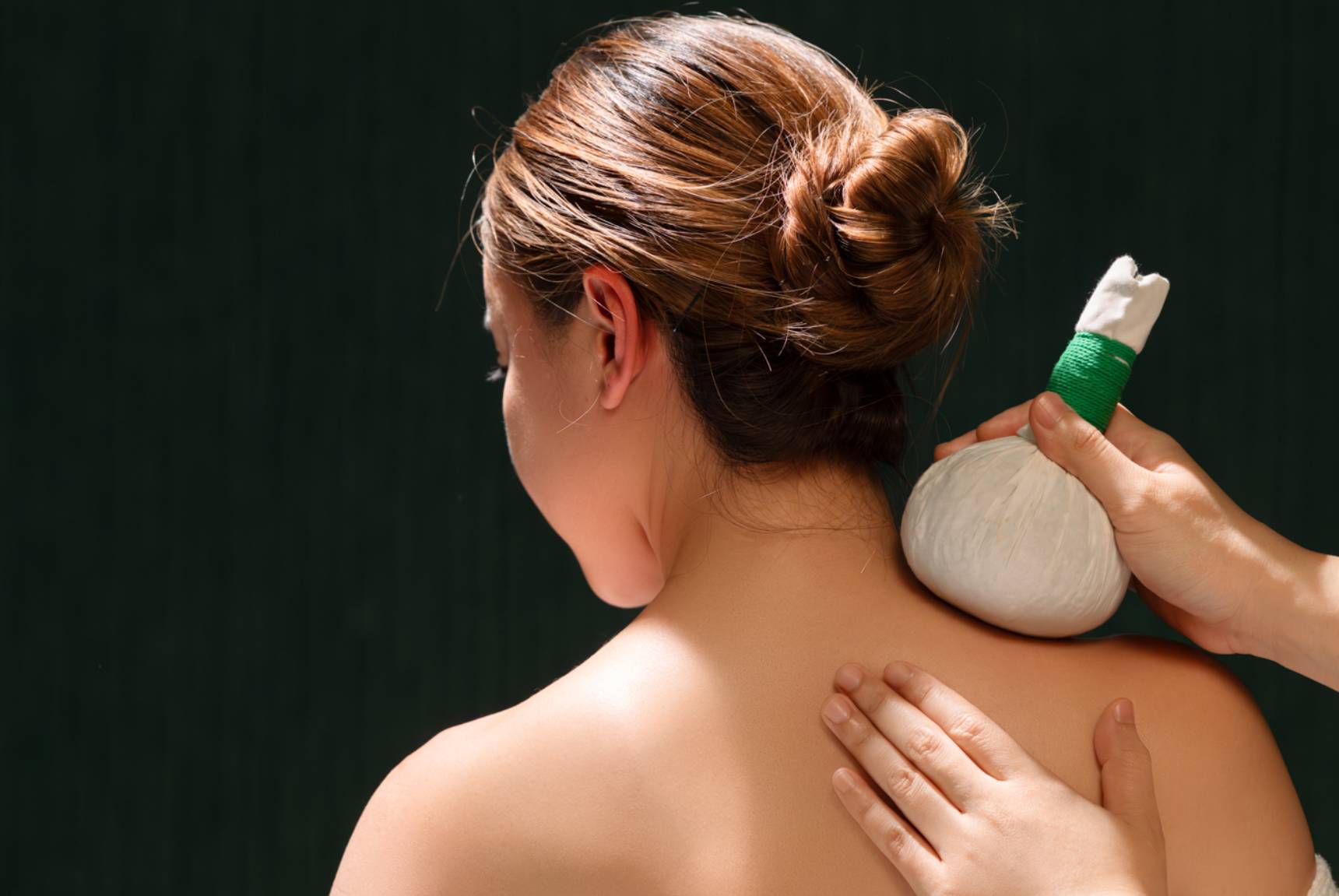
To truly understand the spiritual depth of Thai healing, one must travel back over two and a half millennia to the lush landscapes of ancient India, during the time of the historical Buddha. Traditional Thai medicine does not credit its origins to a scientist or an anatomist, but rather to a spiritual figure: Jivaka Kumar Bhaccha.
Revered in Thailand as the "Father of Medicine," Jivaka was a legendary yogi, a master of Ayurvedic medicine, and, most importantly, the personal physician to the Buddha himself. The techniques and herbal knowledge he developed were intimately tied to Buddhist teachings. As Buddhism spread outward from India, traversing through Southeast Asia and eventually taking deep root in Thailand, the monks carried Jivaka’s medical knowledge with them.
For centuries, the local wat (temple) served as the center of Thai community life. It was the school, the spiritual sanctuary, and the hospital. The monks were the doctors, and their healing practices were an extension of their spiritual duties. Massage and herbal medicine were not commercial services; they were acts of merit-making and expressions of compassion. When a practitioner placed their hands upon a patient, they were not just manipulating soft tissue—they were engaging in a moving meditation, channeling divine healing energy to alleviate human suffering.
Discovery Fact: If you visit the famous Wat Pho temple in Bangkok today, you will see stone inscriptions detailing human anatomy and energy lines. King Rama III commissioned these carvings in the 1830s to preserve the ancient medical knowledge of the monks, essentially creating Thailand's first public university carved in stone!
The Concept of Metta: Healing Through Loving-Kindness
In the Western world, we often separate the emotional state of the medical practitioner from the physical treatment they provide. In traditional Thai healing, the practitioner's state of mind is considered the most critical component of the therapy. This concept is anchored in the Buddhist principle of Metta, which translates to "loving-kindness."
Metta is the sincere desire for the well-being and happiness of others, devoid of any personal gain. Before a traditional Thai healing session begins, a devout therapist will often take a quiet moment to center themselves, entering a state of mindfulness. They are cultivating Metta, intending to transfer this pure, compassionate energy through their hands and into the receiver.
This is why a truly authentic Thai massage feels different from a standard sports massage. The practitioner works in a rhythmic, meditative trance. They synchronize their breathing with yours, establishing a silent, energetic dialogue. As they rock your body, stretch your limbs, and apply pressure, they are practicing Vipassana (insight meditation) in motion. They must remain incredibly present, feeling the subtle shifts in your muscles and energy fields. If the therapist’s mind is distracted or clouded by negative emotions, the healing is considered incomplete, no matter how technically perfect their physical technique might be.
When you receive a treatment rooted in Metta at Nakhon Spa, you are not just a client; you are a fellow human being receiving an ancient blessing of compassion. This energetic exchange is often what leaves guests feeling an inexplicable sense of emotional lightness and profound peace long after they have left the massage table.
The Invisible Web of Life: Understanding the Sen Energy Lines
To bridge the physical and spiritual realms, traditional Thai medicine relies on the concept of life force energy. In Yoga, this is known as Prana; in traditional Chinese medicine, it is Qi; and in Thai traditional medicine, it is referred to as Lom, which translates to "wind" or "breath."
Lom flows through the body along an intricate, invisible network of energy pathways called Sen lines. According to ancient Thai texts, the human body is mapped with 72,000 Sen lines. However, traditional Thai healing focuses on ten primary pathways, collectively known as the Sen Sip. These invisible rivers of life force are not anatomical structures like veins or nerves that can be found under a microscope. Instead, they represent the energetic architecture of the human spirit and body.
When a person is in perfect health—physically, mentally, and spiritually—the Lom flows smoothly and abundantly through the Sen lines. However, the stresses of daily life, emotional trauma, poor diet, and negative thoughts can cause blockages in these energetic rivers. When the wind cannot flow, the water stagnates. A physical ache in the shoulder might not just be from a heavy bag; in Thai philosophy, it could be a manifestation of stagnant energy brought on by carrying the emotional weight of anxiety.
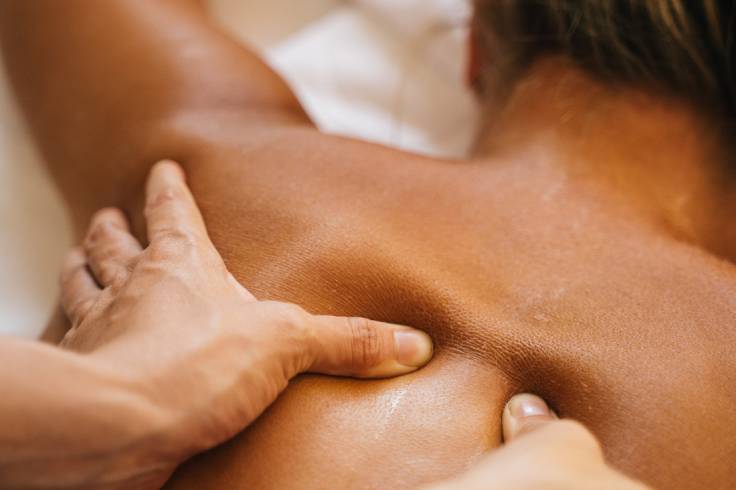
During a traditional Thai healing session, the therapist uses their thumbs, palms, elbows, and even feet to apply deep, targeted pressure along these Sen lines. By compressing and releasing the lines, they are essentially acting as human acupressure valves. The goal is to clear the blockages, allowing the Lom to rush back through the pathways, nourishing the organs, relaxing the muscles, and, most importantly, restoring clarity and vitality to the spirit.
Fun Fact: Because traditional Thai massage manipulates the Sen lines and incorporates deep, yoga-like stretches, it is frequently referred to as "Lazy Man’s Yoga." The receiver gets all the energetic and physical benefits of a rigorous yoga session without having to lift a single finger!
Harmonizing the Soul: The Four Elements of Thai Medicine
Another fascinating spiritual and philosophical layer of Thai healing is its reliance on the natural world. Traditional Thai medicine categorizes the human body and spirit into four fundamental elements, known as Tard Chao Ruen. Just as the earth is composed of these forces, so too is the human microcosm. A spiritual or physical ailment is almost always diagnosed as an imbalance in one or more of these elemental forces.
|
Element |
Thai Name |
Physical Representation |
Spiritual & Psychological Traits |
|
Earth |
Din |
Bones, muscles, teeth, skin, organs. |
Represents stability, grounding, and endurance. An imbalance may lead to stubbornness, lethargy, or a feeling of being emotionally "stuck." |
|
Water |
Nam |
Blood, lymph, sweat, tears, saliva. |
Represents adaptability, emotion, and flow. An imbalance can cause mood swings, emotional hypersensitivity, or a lack of empathy. |
|
Wind |
Lom |
Breath, circulation, cellular movement. |
Represents intellect, communication, and spiritual energy. Too much wind causes anxiety and overthinking; too little causes depression and lack of inspiration. |
|
Fire |
Fai |
Body heat, digestion, metabolism. |
Represents passion, transformation, and drive. Excess fire leads to anger and burnout, while deficient fire results in a loss of motivation and joy. |
When a master therapist works with you, they are intuitively assessing your elemental balance. If you arrive at the spa feeling frantic, anxious, and suffering from insomnia, a Thai healer would recognize an excess of the Wind element. To ground your spirit, they would employ slow, deeply rhythmic, and firm techniques to bring back the heavy, stabilizing energy of the Earth element.
Conversely, if you arrive feeling sluggish, depressed, and emotionally numb (an excess of Earth or stagnant Water), the therapist might use more invigorating, stretching, and dynamic movements to stoke your internal Fire and get your Wind flowing again. This deeply personalized, elemental approach ensures that the therapy is not just a routine sequence of physical moves, but a tailored spiritual realignment.
The Sacred Ritual of Wai Khru
Because Thai healing is a spiritual discipline, it is steeped in ritual and reverence. One of the most beautiful and essential aspects of this tradition is the Wai Khru ceremony. "Wai" is the traditional Thai greeting of pressing the palms together in a prayer-like gesture, showing respect. "Khru" translates to teacher or guru.
Before a practitioner begins their day, and often silently before they lay their hands upon a client, they perform a Wai Khru. They recite the Om Namo, an ancient Pali chant that honors Jivaka Kumar Bhaccha, the Buddha, and the long lineage of healing masters who passed down this sacred knowledge through the centuries.
The chant is not just a formality; it is a spiritual grounding technique. By invoking the spirit of the founder, the therapist humbly removes their own ego from the healing process. They acknowledge that they are merely a vessel, an instrument through which universal healing energy flows. This profound humility creates an environment of immense safety and trust. When you surrender your body to a therapist who operates from this space of reverence, you allow your own spiritual defenses to drop, facilitating a much deeper, more holistic release of tension and trauma.
Emotional Release: When the Spirit Unwinds
It is remarkably common for people receiving traditional Thai healing therapies to experience unexpected emotional releases. Because we often store our unexpressed emotions, grief, and anxieties deep within our fascia and muscle tissues, physical manipulation of the Sen lines can unlock these hidden reservoirs.
You might find yourself suddenly feeling a wave of euphoria, or perhaps a sudden, unexplainable urge to cry. You might recall a forgotten memory or experience a sudden flash of profound clarity regarding a problem in your life. In Western contexts, this might feel alarming, but in the spiritual framework of Thai healing, it is celebrated.
This emotional unwinding is the ultimate goal of the practice. It means the stagnant Lom has been freed. The armor you have built around your heart and spirit is dissolving. A highly trained therapist at a sanctuary like Nakhon Spa understands this intimately. They provide a safe, non-judgmental, and profoundly supportive space for your spirit to exhale, allowing you to process and release whatever no longer serves your highest good.
Preserving the Sacred in the Modern Spa
In today’s fast-paced, highly digitized world, the need for spiritual grounding and holistic healing is greater than ever. We are constantly bombarded by information, isolated by screens, and disconnected from our own bodies. We live in our heads, neglecting the temples of our physical forms and the whispers of our spirits.
The true magic of the Thai spa experience lies in its ability to force a beautiful, gentle pause. It asks us to log off, to close our eyes, and to tune inward. By maintaining the integrity of ancient practices, honoring the Sen lines, respecting the elemental makeup of the body, and cultivating Metta, traditional Thai healing offers a powerful antidote to modern spiritual burnout.
When you book a treatment, you are not just scheduling a physical tune-up; you are reserving time for a spiritual communion. You are participating in a tradition that is over 2,500 years old, engaging with ancient philosophies that understand that true beauty, vitality, and health radiate from a spirit that is at peace with its physical vessel.
Your Journey Awaits
Understanding the spiritual depth of Thai healing transforms a simple massage into a profound journey of self-discovery and holistic restoration. The next time you lie down on a mat or a massage table, take a deep breath. Feel the intention of the therapist's hands. Visualize the energy flowing freely through your Sen lines, washing away stress and leaving behind pure, vibrant life force.
Would you like me to recommend a specific traditional Thai treatment at Nakhon Spa that focuses on balancing your unique elemental energy today?