Bangkok has always known how to welcome a traveler. Not with a single gesture, but with a layered sensory choreography: the first warm breath of air stepping out of Suvarnabhumi, the city’s midnight street food that feels strangely comforting even when your body thinks it’s morning, the hum of traffic that becomes a kind of white noise, and the soft, almost ceremonial hospitality that makes fatigue feel less like a problem and more like something the city has already planned to solve.
In 2026, that “solution” has a new name, and it’s not luxury for luxury’s sake. It’s recovery.
The conversation around travel has shifted. People still fly for business, culture, food, shopping, and adventure—but increasingly, they’re also traveling with a sharper awareness of what movement does to the body. A long-haul flight is not just a change of location. It is a full-system stress event. It alters circadian rhythm, compresses tissues, dehydrates the body, slows circulation, changes breathing patterns, and pushes the nervous system toward vigilance. The result is familiar: puffy ankles, tight hips, a heavy neck, a wired-but-tired brain, and sleep that refuses to land.
And while many cities offer spa menus as an accessory to tourism, Bangkok is turning wellness into a reason people return. It’s not an abstract idea—it’s measurable in the way the city is being positioned globally. Euromonitor International’s “Top 100 City Destinations Index 2025” has been widely reported as ranking Bangkok as the world’s most visited city in 2025, with 30.3 million international visitors, ahead of major global hubs such as London, Paris, Dubai, and Hong Kong.
That scale matters, but the real story for 2026 is what visitors do once they arrive. Bangkok’s most modern travel ritual is no longer only the rooftop bar or the shopping mall. It is the recovery appointment. The post-flight massage is becoming as essential as the hotel check-in, and the best spas in Bangkok are evolving from “treat yourself” to “restore yourself.”
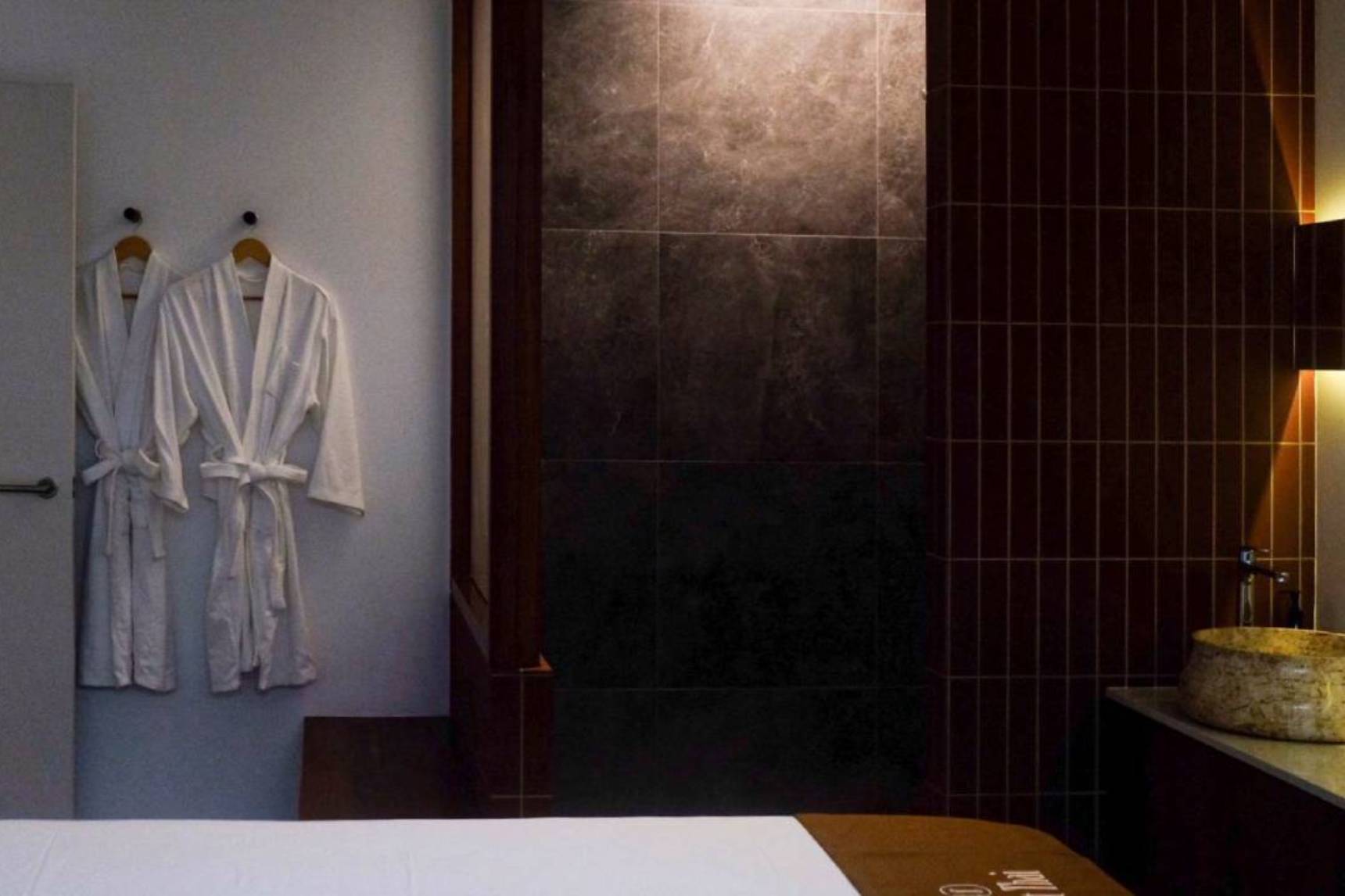
At Nakhon Spa, this is exactly where the experience is designed to sit: not merely indulgent, but functional. The goal is simple, even if the biology behind it is complex. Bring the body back from travel mode. Move it from sympathetic activation—stress, alertness, adaptation—into parasympathetic dominance, where digestion stabilizes, inflammation cools down, muscle tone releases, and sleep becomes possible again.
The biology of jet lag is bigger than the time zone
Jet lag is often explained as a clock problem, but most travelers recognize it as a whole-body feeling. The circadian rhythm mismatch is real—light exposure and melatonin timing do matter—but the lived experience of jet lag includes nervous system dysregulation, stiffness from prolonged sitting, and fluid shifts from cabin pressure and immobility.
Long flights create a cascade. The body spends hours in a flexed, compressed posture, especially through the hips, low back, and chest. Breathing becomes shallow. The neck strains forward toward screens. Hydration drops in low-humidity cabin air. Circulation and lymphatic movement slow down because muscle contraction is one of the mechanisms that “pumps” fluids along. The brain receives signals consistent with mild threat and unfamiliarity, which keeps the stress response humming in the background.
In other words, jet lag is not only “I can’t sleep at the right time.” It is also “my body is not in a state where sleep is easy.”
This is exactly why Bangkok spas are redefining travel recovery in 2026. They are leaning into interventions that aim at the body systems travel disrupts most: lymphatic flow, parasympathetic activation, muscle decompression, and sleep architecture.
Lymphatic flow: why travelers feel puffy, heavy, and swollen
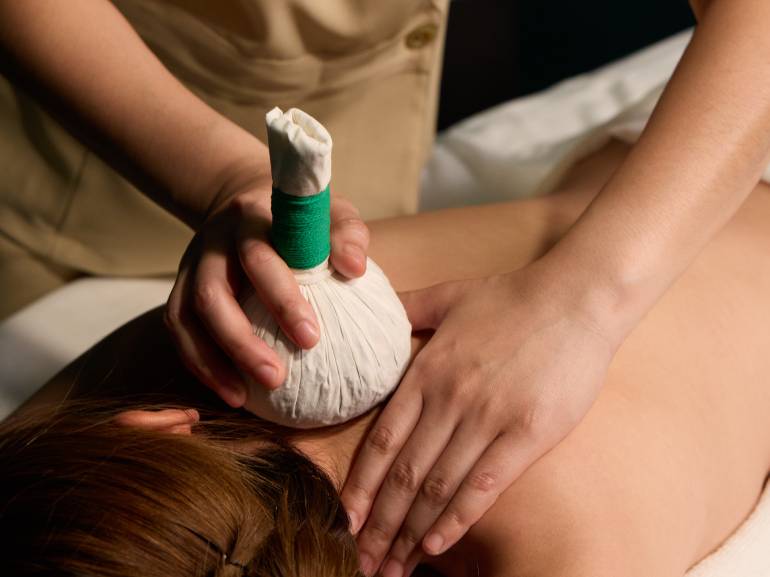
Ask frequent flyers what changes first, and many describe swelling: face puffiness, tight rings, heavy legs, a sense that the body is holding water. This isn’t just cosmetic. The lymphatic system is part of immune regulation and fluid balance, and it relies heavily on movement and pressure changes to circulate. Unlike blood, which is pumped by the heart, lymph moves largely because of muscle contractions and rhythmic tissue compression.
When you sit for hours and barely move, that mechanical help decreases. You can land feeling heavy, sluggish, and “stuck.” A well-executed body treatment that uses gentle, structured pressure and directional strokes can support the sensation of drainage and lightness, especially when paired with hydration and rest.
This is also where the science becomes interesting. Manual lymphatic drainage and related lymphatic-focused therapies have been studied for their physiological impact, including changes in autonomic nervous system responses. For example, a randomized controlled trial exploring lymphatic drainage therapy in healthy subjects reported measurable changes consistent with decreased autonomic activity and reductions in muscle tension indicators.
In plain language, the right kind of touch can help your body move away from “revved up” and into “settling down,” while also addressing the uncomfortable heaviness many travelers feel after flying.
At Nakhon Spa, lymphatic flow is not treated like a trend. It’s treated as a travel reality. Recovery-focused touch is framed as part of body function: supporting circulation, easing swelling, and helping the traveler feel physically “back inside” their body again. Nakhon Spa even frames its jet-lag recovery approach around circulation, swelling reduction, and stiffness relief—positioning the experience as targeted and travel-relevant rather than generic pampering.
Parasympathetic activation: the real gateway to deep sleep
If 2026 has a defining wellness keyword, it might be “nervous system.” People are tired of being told to relax as if it is a personality trait. They want practical switches. They want outcomes: calm digestion, reduced tension, less anxiety, and above all, better sleep.
The parasympathetic nervous system is often called “rest and digest,” and the name is accurate. When parasympathetic tone increases, the body can downshift. Heart rate slows. Breathing deepens. Muscle guarding reduces. The mind stops scanning for what’s next. This is the internal environment where sleep becomes more likely to arrive and stay.
Massage and manual therapies have been studied for their effects on autonomic measures such as heart rate variability and other stress-related markers. Reviews of manual therapy interventions have examined autonomic nervous system responses across a range of modalities, reflecting the broader scientific interest in how touch can influence the stress response.
There is also growing research attention on massage performed close to bedtime and its potential influence on sleep quality. A 2025 paper discussing relaxation massage prior to bedtime highlights the broader evidence base suggesting massage can improve sleep quality, even as the field continues to refine methods and measurement approaches.
The important takeaway for travelers is not academic. It’s practical. If your nervous system is still “in transit,” you can be exhausted and still unable to sleep deeply. A recovery-oriented Bangkok spa treatment aims to change that state—not by forcing sleep, but by creating the physiology that makes sleep possible.
Nakhon Spa’s positioning in this space is clear: the spa experience is designed to shift you out of travel stress mode, downregulate tension, and support a deeper rest state. In 2026, that isn’t marketing poetry; it’s a functional promise rooted in a real biological target: parasympathetic dominance.
Muscle decompression: undoing the posture of travel
There is a specific kind of tightness that belongs to airports and airplanes. It lives in the hip flexors, the calves, the lower back, the pecs, and the neck. It is not simply “sore muscles.” It is a body that has been held in a compressed shape for too long.
Muscle decompression, as a concept, is about restoring length, glide, and space in tissues that have become congested or guarded. In practice, this may include deep, slow pressure, assisted stretching, myofascial techniques, and rhythmic work that addresses the layers around the muscle, not only the muscle belly itself.
Bangkok has a unique advantage here because Thai massage culture has always understood the relationship between lines of tension, breath, and mobility. Traditional Thai approaches often integrate assisted movement, compression, and stretching in a way that resembles modern mobility therapy—while still feeling deeply human and intuitive.
When done with expertise, decompression-focused work can have a domino effect. A released hip flexor changes pelvic tilt. A softened diaphragm changes breathing. Improved breathing changes vagal tone, which is closely tied to parasympathetic activity and heart rate variability. The vagus nerve, in particular, is central in the body’s regulation of physiological calm, and its activity correlates with autonomic markers often used in research contexts.
This is why the “best spa” experience in Bangkok for a traveler in 2026 is less about scented candles and more about intelligent sequencing: first open the breath, then release the big postural muscles, then calm the nervous system, then support sleep.
Sleep improvement: the new luxury metric
Luxury used to be defined by marble, gold accents, and champagne. In 2026, the most sophisticated luxury is waking up restored in a city that never really sleeps.
Travel sleep is fragile. Hotels can be perfect and still fail because the problem isn’t the mattress. It’s the nervous system. It’s cortisol rhythms, dehydration, digestion timing, and the afterglow of overstimulation. A recovery-focused spa appointment becomes a bridge between the intensity of arrival and the calm needed to actually benefit from being in Bangkok.
Massage has been associated in research literature with improvements in sleep quality across different populations and contexts, and the topic continues to gain attention as sleep becomes a central public health and performance concern.
There are also studies specifically exploring traditional massage approaches and sleep-related outcomes, including research on Thai traditional massage in groups experiencing insomnia alongside muscle tension.
For the traveler, the value is immediate. Better sleep means better immunity, clearer mood, improved digestion, better decision-making, and more enjoyment of the trip. It also means something else that tourism boards rarely say out loud: better sleep makes people fall in love with a city faster.
This is one reason wellness may be the real reason people return to Bangkok, even when they first arrived for food, nightlife, or business. Bangkok delivers intensity, but it also delivers repair.
Why Bangkok became the world’s most visited city, and why that matters for wellness in 2026
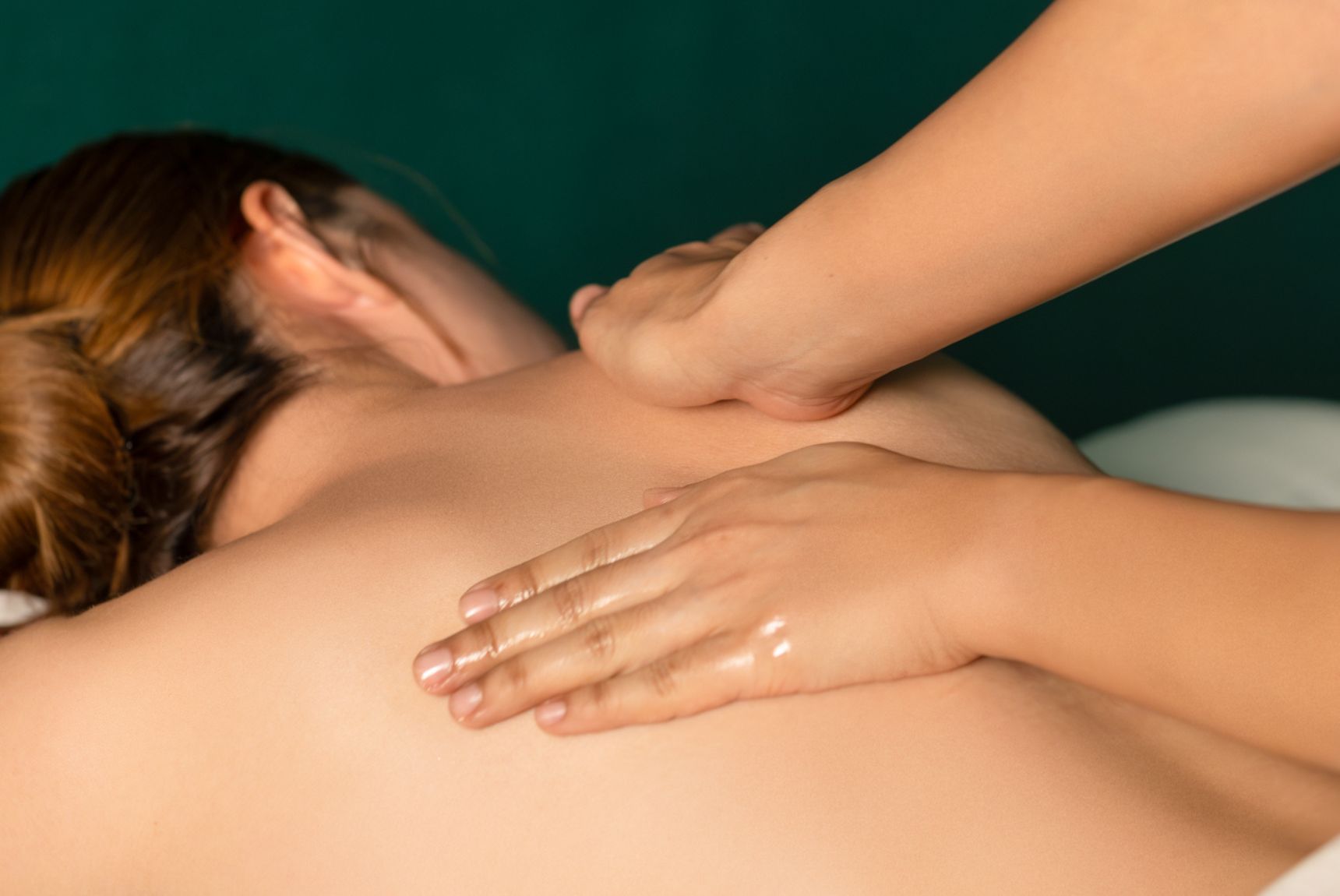
When Bangkok is reported as the world’s most visited city in 2025—30.3 million international visitors according to widely cited references to Euromonitor’s ranking—the immediate reaction is often about attractions: temples, street food, shopping, hospitality, affordability, and cultural richness.
But the next layer is more interesting. High-volume destinations can burn people out. Travelers love them, then they avoid them. Bangkok is doing something different: it absorbs intensity and offers release. It has become one of the world’s most recognizable places where you can go hard and then recover deeply, often in the same day.
That is the travel identity Bangkok is leaning into for 2026. The city is not only a destination. It is a reset button.
This narrative is also supported by the way international media continue to frame Bangkok’s appeal as a mix of energy and contrast—chaotic and calm, crowded and quiet—suggesting that the city’s restorative side is part of its global magnetism.
For spas, this is an opportunity and a responsibility. Tourists in 2026 are more educated. They ask different questions. They want to know why a treatment works, what system it targets, how it supports recovery, and whether it will actually improve sleep on night one. The best spas are responding by integrating science language into a sensual experience—without turning relaxation into a lecture.
Nakhon Spa belongs to this new generation of Bangkok wellness spaces: rooted in Thai expertise, shaped by international expectations, and increasingly positioned around outcomes. The experience is still beautiful, but the beauty is functional. It is the beauty of a nervous system that finally exhale-shifts. It is the beauty of light legs after a flight. It is the beauty of waking up on Bangkok time, not because you forced it, but because your body found its rhythm again.
The Nakhon Spa approach: indulgence with a purpose
A traveler doesn’t need another “nice massage” in 2026. They need a recovery plan that feels effortless.
That is where Nakhon Spa’s story becomes relevant to this new travel era. The spa positions recovery through the lens of targeted techniques and thoughtful touch, including travel-relevant goals like easing stiffness and supporting circulation. The broader promise is that Bangkok’s spa culture—when delivered with high standards—can function like a therapeutic bridge between travel stress and real rest.
In practical terms, the Nakhon Spa philosophy aligns with the core science-backed recovery themes travelers are seeking:
The first is fluid movement and lightness. Travelers often interpret this as “detox,” but the smarter framing is lymphatic and circulatory support: reducing swelling sensation, encouraging tissue mobility, and helping the body feel less congested after prolonged sitting.
The second is parasympathetic activation. This is the hidden engine of recovery. You can drink magnesium and wear blue-light glasses, but if your body is still in alert mode, your sleep will remain shallow. A treatment designed to downshift the nervous system can make the first Bangkok night feel like a homecoming rather than a battle.
The third is decompression. Travel compresses the body; intelligent touch and assisted movement help uncompress it. This improves posture, breathing, and comfort—especially for travelers who arrive with low back tightness, neck tension, and heavy legs.
The fourth is sleep improvement as an outcome, not a hope. In 2026, deep sleep is not a bonus. It is the point. And the spa that can help you reach it becomes part of your travel strategy, not merely your itinerary.
Wellness is the reason people return
Bangkok will always be one of the world’s great cities of sensation. But in a world where travel is faster, more frequent, and often more exhausting, the cities that win long-term loyalty are the ones that help people recover.
Bangkok’s rise to the top of global visitation rankings, as reported in connection with Euromonitor’s 2025 index, is not only about being exciting—it’s about being livable for the traveler’s body.
And that is the quiet revolution happening inside the best spas of the city. They are rewriting what travel wellness means. They are taking jet lag seriously as physiology. They are treating sleep as the true luxury. They are using touch not only as comfort, but as a way to influence the systems that travel disrupts most.
In 2026, the new Bangkok itinerary is not complete without recovery built in. Not because it sounds nice, but because it changes the entire trip.
Nakhon Spa stands in this movement as a modern Bangkok essential: an experience designed to bring you back into alignment with your breath, your body, and your sleep. You arrive in the most visited city in the world carrying the weight of transit. You leave the spa lighter, calmer, and finally ready to enjoy Bangkok—not as a race to see everything, but as a place you can truly feel.