
In 2025, the global travel industry witnessed a historic shift. Borders were fully reopened, long-delayed journeys were finally taken, and international mobility surged to levels never seen before. At the very center of this global movement stood Bangkok, officially ranked as the most visited city in the world, surpassing iconic destinations such as London, Paris, Dubai, and Hong Kong.
Yet behind the impressive visitor numbers and the headlines celebrating tourism recovery, a deeper transformation was quietly taking place. Travelers were no longer coming to Bangkok solely for shopping, nightlife, or sightseeing. They were coming back for something far more personal and lasting: wellness. As 2026 unfolds, Bangkok is no longer just the world’s most visited city; it is rapidly becoming the world’s most influential wellness destination.
This evolution from tourism boom to wellness boom did not happen overnight. It was shaped by the collective experiences of recent years, by shifting priorities, and by a global desire to heal, recover, and rebalance. Understanding how 2025 set the stage for 2026 means looking beyond visitor statistics and into the mindset of modern travelers, the rise of wellness tourism in Thailand, and the growing demand for spa experiences that go far beyond indulgence.
2025: The Year Travel Came Back Stronger — and Smarter
The year 2025 marked a turning point for international tourism. After years of uncertainty, travelers returned with renewed intensity, but also with new expectations. Instead of rushing through packed itineraries, many began choosing destinations that offered space, calm, and meaning. Bangkok, long known for its energy and contrasts, found itself uniquely positioned to answer this call.
On one hand, the city delivered everything travelers had missed: vibrant culture, world-class cuisine, luxury hotels, and an unmatched sense of hospitality. On the other, it offered something increasingly rare in global capitals: an authentic connection to wellness traditions that have been practiced for centuries.
This dual identity made Bangkok irresistible. Travelers could explore temples in the morning, enjoy fine dining at night, and in between, surrender to some of the most sophisticated spa and massage experiences in the world. In 2025, this combination fueled repeat visits. People did not just pass through Bangkok; they returned, often multiple times, because the city offered restoration as much as excitement.
Why Wellness Became the Real Reason People Return
While first-time visitors may be drawn by Bangkok’s reputation, repeat travelers are motivated by how the city makes them feel. In a world marked by burnout, digital overload, and constant acceleration, wellness is no longer a luxury. It is a necessity. Bangkok’s ability to deliver deep physical and mental relief has become its most powerful competitive advantage.
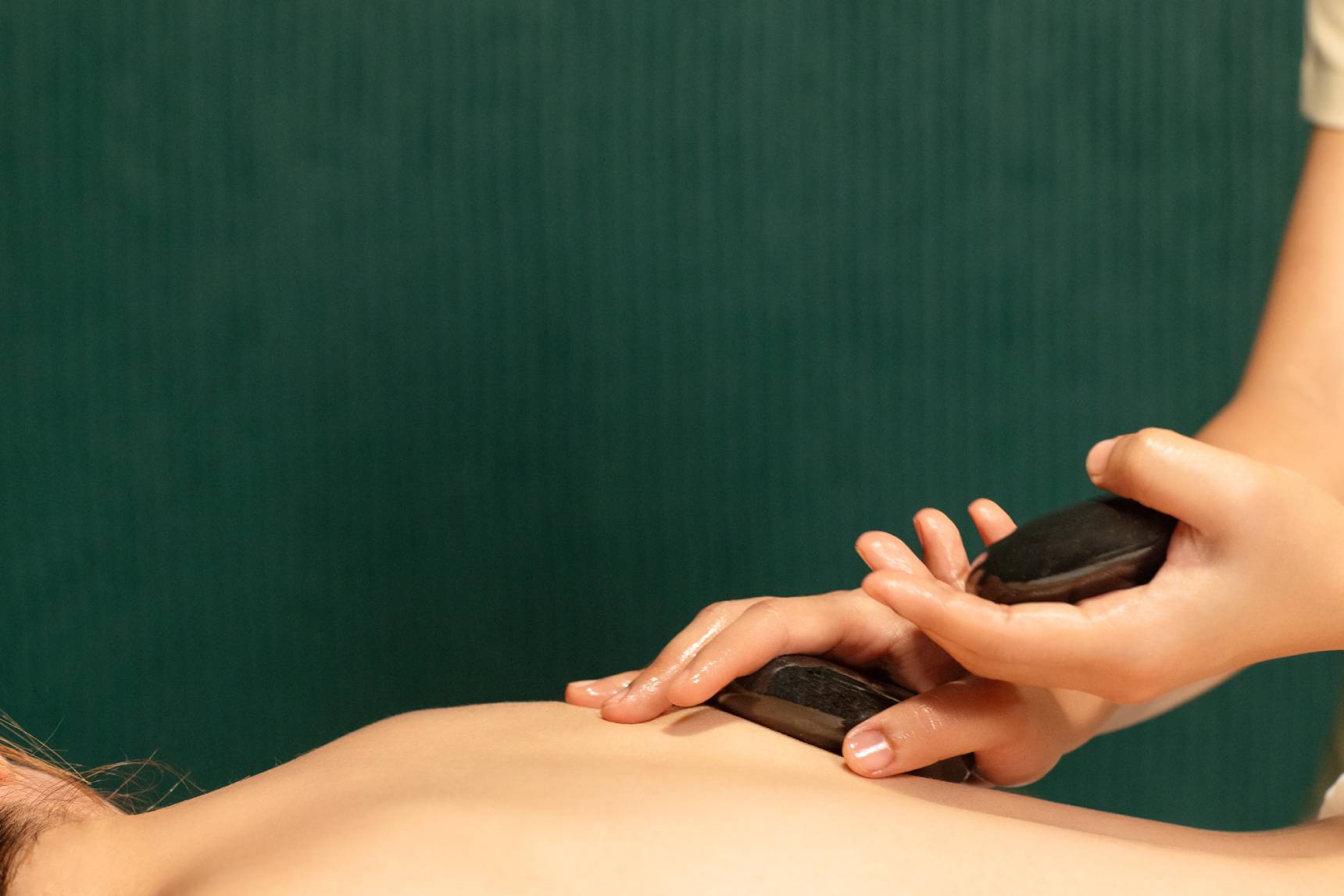
Travelers in 2025 increasingly structured their trips around recovery rather than consumption. Long flights, intense work schedules, and post-pandemic stress led to a surge in demand for treatments that support circulation, improve sleep, release muscular tension, and calm the nervous system. Thai massage, herbal compress therapies, oil massages, and holistic spa rituals moved from “nice to have” experiences to central pillars of travel planning.
Unlike many cities where wellness feels imported or artificially constructed, Bangkok’s spa culture is deeply embedded in everyday life. Traditional Thai massage is recognized by UNESCO as intangible cultural heritage, and its philosophy emphasizes balance between body, energy, and mind. This authenticity resonates strongly with travelers seeking real results rather than surface-level pampering.
From Relaxation to Recovery: The New Traveler Mindset
One of the most significant shifts linking 2025 to 2026 is the evolution of traveler expectations. Wellness tourism in Thailand is no longer defined by relaxation alone. Recovery has become the new keyword.
Recovery means addressing chronic tension caused by long hours at desks, frequent travel, and high-stress lifestyles. It means treatments that improve mobility, posture, and circulation. It also means mental decompression, guided by slow rituals, mindful touch, and environments designed to quiet the mind.
Bangkok spas have adapted quickly to this demand. Treatments are increasingly structured around therapeutic outcomes, combining traditional techniques with modern understanding of anatomy, fascia, and stress physiology. The result is an experience that feels both ancient and contemporary, appealing equally to seasoned wellness travelers and newcomers seeking genuine relief.
This focus on recovery explains why travelers who visit Bangkok in 2025 often return in 2026 with a clearer intention. Their second or third visit is less about sightseeing and more about scheduling spa sessions, wellness programs, and personalized treatments that support long-term well-being.
Stress Relief in the World’s Busiest City
It may seem paradoxical that one of the world’s busiest cities has become a sanctuary for stress relief, yet this contrast is precisely what makes Bangkok unique. The city understands stress because it lives with it. The solutions developed here are practical, effective, and grounded in lived experience rather than abstract wellness trends.
In 2025, travelers began recognizing that a spa experience in Bangkok delivers a depth of relaxation that is difficult to replicate elsewhere. Therapists are extensively trained, techniques are refined through generations, and treatments are designed to work deeply rather than superficially. This level of expertise transforms spa visits into essential recovery sessions rather than occasional indulgences.
As 2026 approaches, stress relief is becoming a central theme in Bangkok spa trends. Guests are no longer asking only for relaxation; they are seeking calm focus, emotional balance, and mental clarity. This has driven a rise in longer treatments, immersive rituals, and spa environments that prioritize silence, privacy, and sensory harmony.
Longevity Treatments and the Future of Wellness Tourism Thailand
Another defining link between 2025 and 2026 is the growing interest in longevity. Travelers are increasingly aware that wellness is not just about feeling good today, but about sustaining health over time. Bangkok has embraced this shift by integrating preventive and restorative approaches into its spa culture.
Longevity-focused treatments emphasize circulation, detoxification, muscular health, and nervous system regulation. They often combine massage, heat therapies, herbal remedies, and mindful breathing to support the body’s natural resilience. For many international visitors, these treatments offer an alternative or complement to clinical wellness approaches found in Western countries.
Wellness tourism in Thailand is uniquely positioned to lead this movement because it blends science with tradition. Thai therapies are rooted in an understanding of energy lines, movement, and balance, while modern spas incorporate contemporary knowledge of stress, inflammation, and recovery. This hybrid approach appeals to travelers who want meaningful, long-term benefits without sacrificing comfort or luxury.
In 2026, Bangkok spa trends increasingly reflect this longevity mindset. Treatments are described not just by duration, but by purpose: improving sleep, restoring mobility, supporting immune balance, or enhancing overall vitality. This language resonates strongly with a global audience seeking sustainable well-being.
Bangkok’s Advantage Over Other Global Cities
Surpassing cities like London, Paris, Dubai, and Hong Kong in visitor numbers is impressive, but Bangkok’s true advantage lies in differentiation. Many global cities offer luxury, dining, and culture. Few offer wellness at Bangkok’s scale, depth, and accessibility.
In Bangkok, world-class spa experiences are not limited to exclusive resorts. They are woven into the urban fabric, making high-quality wellness accessible to a broad range of travelers. This accessibility encourages repeat engagement. Visitors can integrate wellness into their stay naturally, rather than treating it as a one-off splurge.
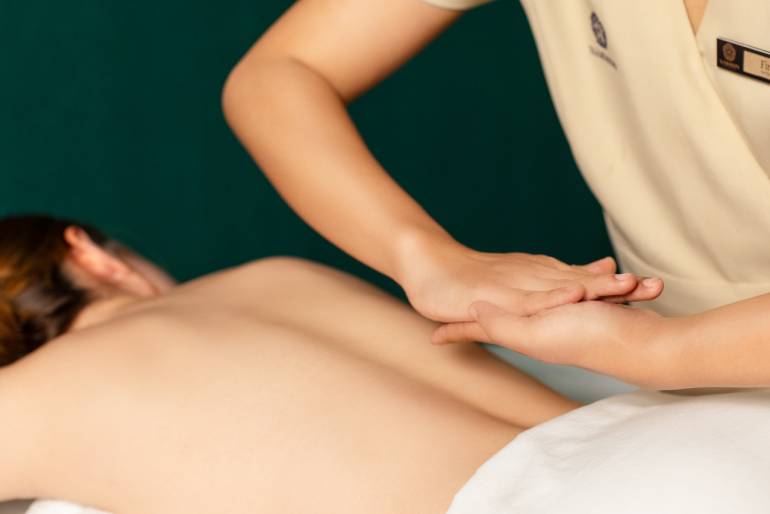
Moreover, Thai hospitality emphasizes care rather than performance. Therapists are trained to listen, adapt, and personalize treatments based on individual needs. This human connection is a powerful reason why travelers remember their spa experiences in Bangkok long after they return home.
2026: A Wellness-First Destination
As 2026 unfolds, the narrative around Bangkok is shifting. The city is no longer marketed solely as a vibrant tourism hub, but increasingly as a place to reset, restore, and reconnect with oneself. This transformation was seeded in 2025, when travelers began prioritizing wellness as a core reason for travel rather than an optional add-on.
Bangkok spa trends in 2026 reflect a maturation of the market. Experiences are becoming more intentional, more personalized, and more aligned with long-term well-being. Travelers arrive with clearer expectations, seeking not just relaxation, but meaningful recovery and lasting benefits.
Wellness tourism in Thailand is entering a new era, one defined by depth rather than novelty. Bangkok stands at the forefront of this movement, not because it follows trends, but because it embodies a philosophy of care that resonates with the global mood.
Why Wellness Is the Future of Bangkok’s Global Appeal
The tourism boom of 2025 proved that people want to travel again. The wellness boom of 2026 proves why they choose to return to Bangkok. In a world that moves faster each year, the ability to slow down, recover, and invest in one’s health has become the ultimate luxury.
Bangkok offers this luxury not as an imported concept, but as a living tradition refined for modern life. From therapeutic massages to holistic spa rituals, the city delivers experiences that stay with travelers long after their journey ends.
As global travel continues to evolve, Bangkok’s role as a wellness capital is only set to grow. The foundations laid in 2025 have positioned the city not just as the most visited destination, but as one of the most meaningful. For travelers seeking recovery, stress relief, and longevity, Bangkok in 2026 is no longer just a place to visit. It is a place to heal, return, and begin again.