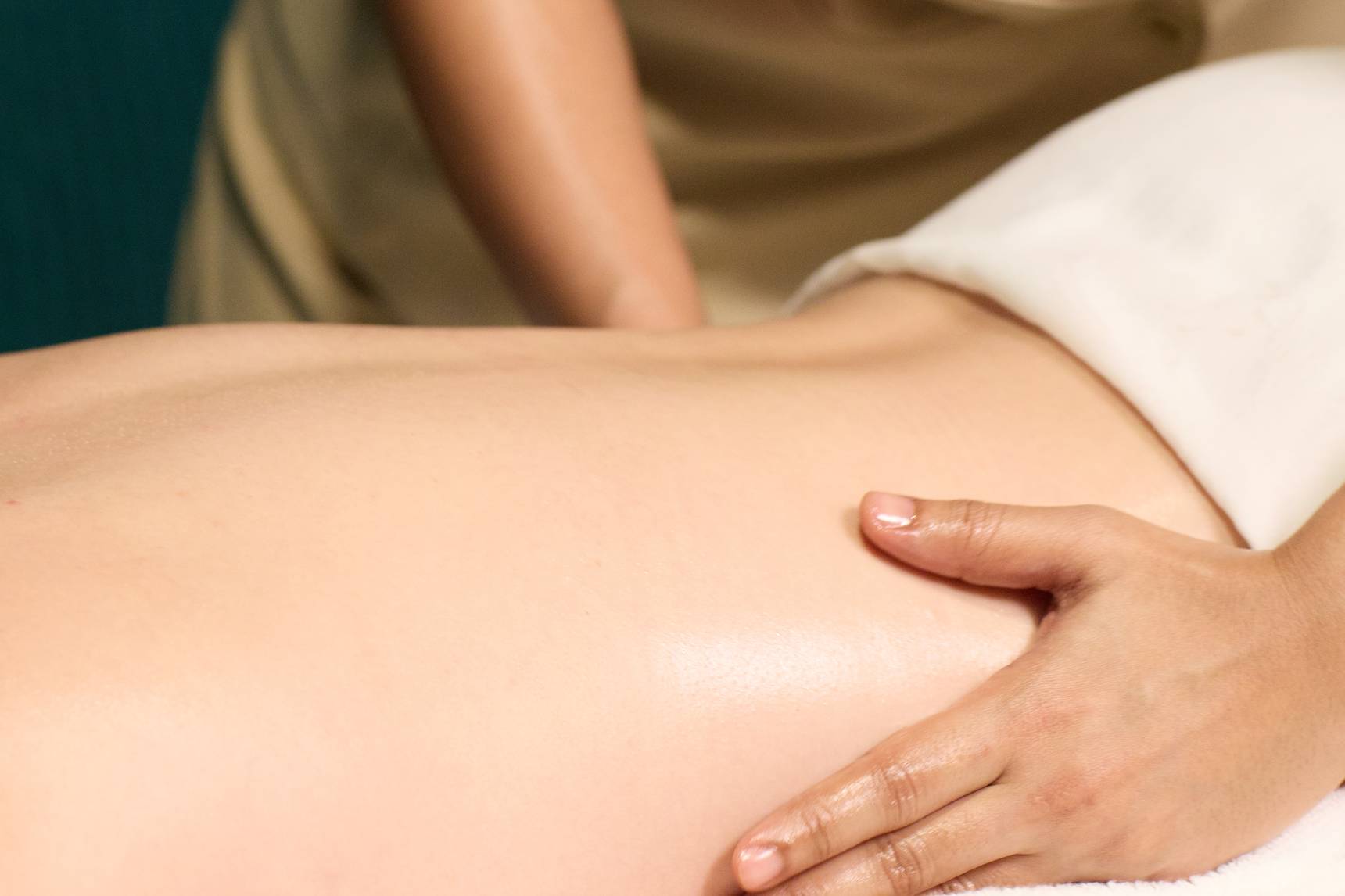
In the contemporary landscape of health and wellness, the human body is increasingly understood not merely as a vessel, but as a complex, high-performance machine that requires precision engineering and maintenance. Gone are the days when massage therapy was viewed solely as a leisurely indulgence reserved for spa vacations. Today, it is recognized by medical professionals, elite athletes, and wellness experts as a fundamental pillar of physical recovery and physiological optimization.
Among the various modalities available, Sports Massage stands out as a distinct, scientifically grounded discipline. It is not simply a deep tissue rub; it is a systematic manipulation of the soft tissues that focuses on specific muscle groups relevant to a particular sport or physical activity.
At its core, sports massage is the application of mechanical pressure to manipulate muscles, tendons, ligaments, and fascia. Its primary objective is to enhance performance, prevent injury, and accelerate recovery. However, to view it only through the lens of athletics is to limit its potential. In a world where "occupational athleticism"—long hours at a desk, repetitive strain from technology use, and the mental stress of modern life—is the norm, the principles of sports massage have become universally applicable. It bridges the gap between medical physiotherapy and holistic wellness, offering a solution that addresses both the structural integrity of the body and the restorative needs of the nervous system.
The Physiology of Recovery: How It Works
To truly understand the value of sports massage, one must delve into the physiological mechanisms that occur beneath the skin during a session. The efficacy of this therapy relies heavily on its ability to influence the circulatory, lymphatic, and nervous systems. When a skilled therapist applies pressure, they are essentially creating a vacuum effect in the vasculature. Compression forces blood out of the congested muscle tissue, and upon release, fresh, oxygenated blood floods the area. This process, known as hyperemia, is crucial for cellular repair. Oxygen and nutrients are the building blocks of tissue regeneration; by maximizing their delivery to micro-tears in the muscle fibers, the body can heal at an accelerated rate.
Simultaneously, the lymphatic system, which lacks a central pump like the heart, relies on external pressure and muscle contraction to move lymph fluid. Sports massage acts as a mechanical aid to this system, flushing out metabolic waste products such as lactic acid and carbonic acid that accumulate during exertion. While the body naturally clears these substances over time, manual therapy expedites the process, reducing the duration of Delayed Onset Muscle Soreness (DOMS). Furthermore, the physical manipulation of the fascia—the connective tissue that encases muscles—is vital. Intense physical activity or poor posture can cause this tissue to dehydrate and adhere to muscle fibers, creating restrictions and pain. Advanced sports massage techniques rehydrate this tissue and break down adhesions, restoring the sliding surfaces between muscles and allowing for fluid, unrestricted movement.
The Art of Technique: A Multi-Dimensional Approach
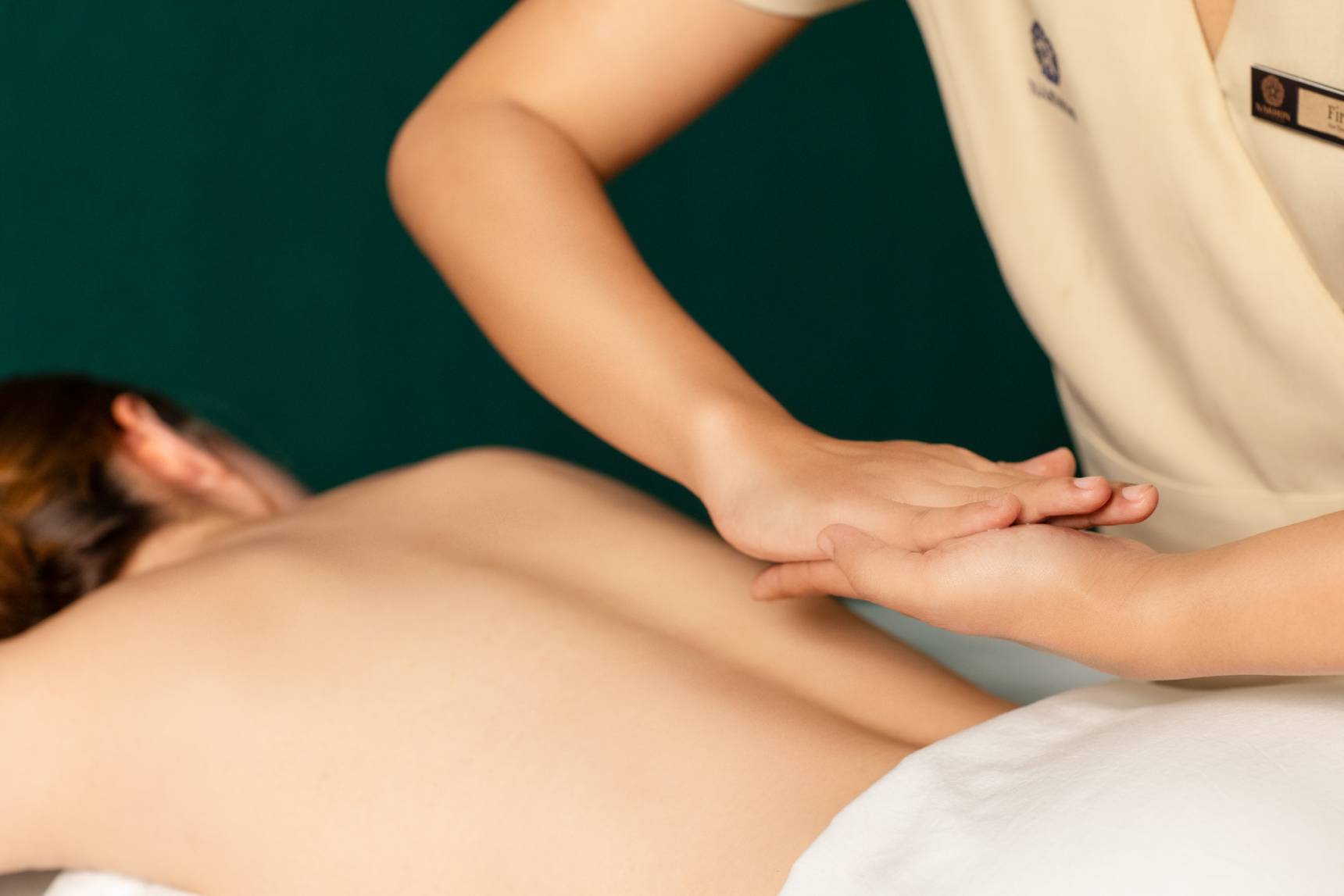
The execution of a high-quality sports massage is a narrative of varying pressures, speeds, and rhythms, orchestrated to elicit specific responses from the body. Unlike a standard relaxation massage, which often maintains a consistent, rhythmic flow, sports massage is dynamic and adaptive. The session typically begins with effleurage, utilizing broad, sweeping strokes to warm the tissues, assess muscle tone, and prepare the nervous system for deeper work. This serves as a diagnostic phase where the therapist identifies areas of tension, temperature differences, and tissue consistency.
As the tissues warm, the therapist transitions into petrissage, a kneading motion that lifts and squeezes the muscle. This technique is instrumental in milking waste products from the tissue and stimulating the stretch reflex in the muscles. In areas of specific congestion or scar tissue, friction techniques are employed. These involve applying concentrated pressure across the grain of the muscle fiber to break down collagen cross-links that form scar tissue, thereby realigning the fibers for greater tensile strength.
Advanced practitioners also incorporate neuromuscular techniques such as Trigger Point Therapy. A trigger point is a hyper-irritable spot within a taut band of skeletal muscle that is painful on compression and can give rise to characteristic referred pain and autonomic phenomena. By applying sustained, ischemic compression to these points, the therapist essentially "resets" the neuromuscular junction, alleviating the referred pain patterns that often mimic injuries. Furthermore, Proprioceptive Neuromuscular Facilitation (PNF) stretching is frequently integrated into the session. This involves a combination of passive stretching and isometric contractions, which tricks the nervous system into allowing a greater range of motion, effectively "unlocking" tight joints and improving flexibility more efficiently than static stretching alone.
Medical Benefits: Prevention, Rehabilitation, and Pain Management
From a medical perspective, the benefits of sports massage are tangible and measurable. The most significant advantage is injury prevention. By maintaining muscle length and flexibility, the therapy reduces the strain on tendons and ligaments. A muscle that is short and tight is structurally vulnerable; it pulls on its attachment points, leading to conditions such as tendonitis or periostitis. Regular sports massage ensures that the muscle fibers remain compliant and capable of absorbing the shock and stress of movement without failing.
For those already suffering from injuries, sports massage is a critical component of rehabilitation. It directs blood flow to the injured site, which is often the limiting factor in healing avascular tissues like tendons. Moreover, it ensures that as the tissue heals, it does so with the correct fiber alignment. Without manual intervention, scar tissue tends to form in a haphazard "haystack" pattern, which is weak and prone to re-injury. Sports massage guides the formation of this tissue along the lines of stress, creating a stronger, more functional repair.
Pain management is another medical pillar of this therapy. Beyond the mechanical removal of irritants, sports massage stimulates the release of endorphins, the body's natural analgesics. It also operates on the "Gate Control Theory" of pain, where the stimulation of mechanoreceptors (touch sensors) blocks the transmission of nociceptive (pain) signals to the spinal cord. This provides immediate relief for chronic pain conditions and allows patients to break the cycle of pain and muscle guarding that often exacerbates injuries.
Holistic and Wellness Benefits: The Mind-Body Connection
While the physiological effects are profound, the holistic benefits of sports massage are equally vital in a comprehensive wellness paradigm. The modern athlete and the corporate warrior alike suffer from sympathetic nervous system dominance—the "fight or flight" state. Chronic stress keeps cortisol levels high, which inhibits recovery, disrupts sleep, and degrades the immune system. Sports massage stimulates the parasympathetic nervous system, the "rest and digest" mode. This shift is essential for deep recovery. It is during this state that the body produces growth hormones and performs the majority of its cellular repair.
Sleep quality is significantly improved through this parasympathetic activation. Clinical observations suggest that individuals who receive regular sports massage experience deeper, less interrupted sleep cycles, which is the foundation of mental and physical wellness. Furthermore, the therapy enhances body awareness or proprioception. By receiving detailed feedback from the therapist's touch, an individual becomes more attuned to their own holding patterns and imbalances. This heightened awareness often translates into better posture and more efficient movement patterns in daily life, creating a virtuous cycle of health.
Nakhon Spa: The Apex of Advanced Sport Massage
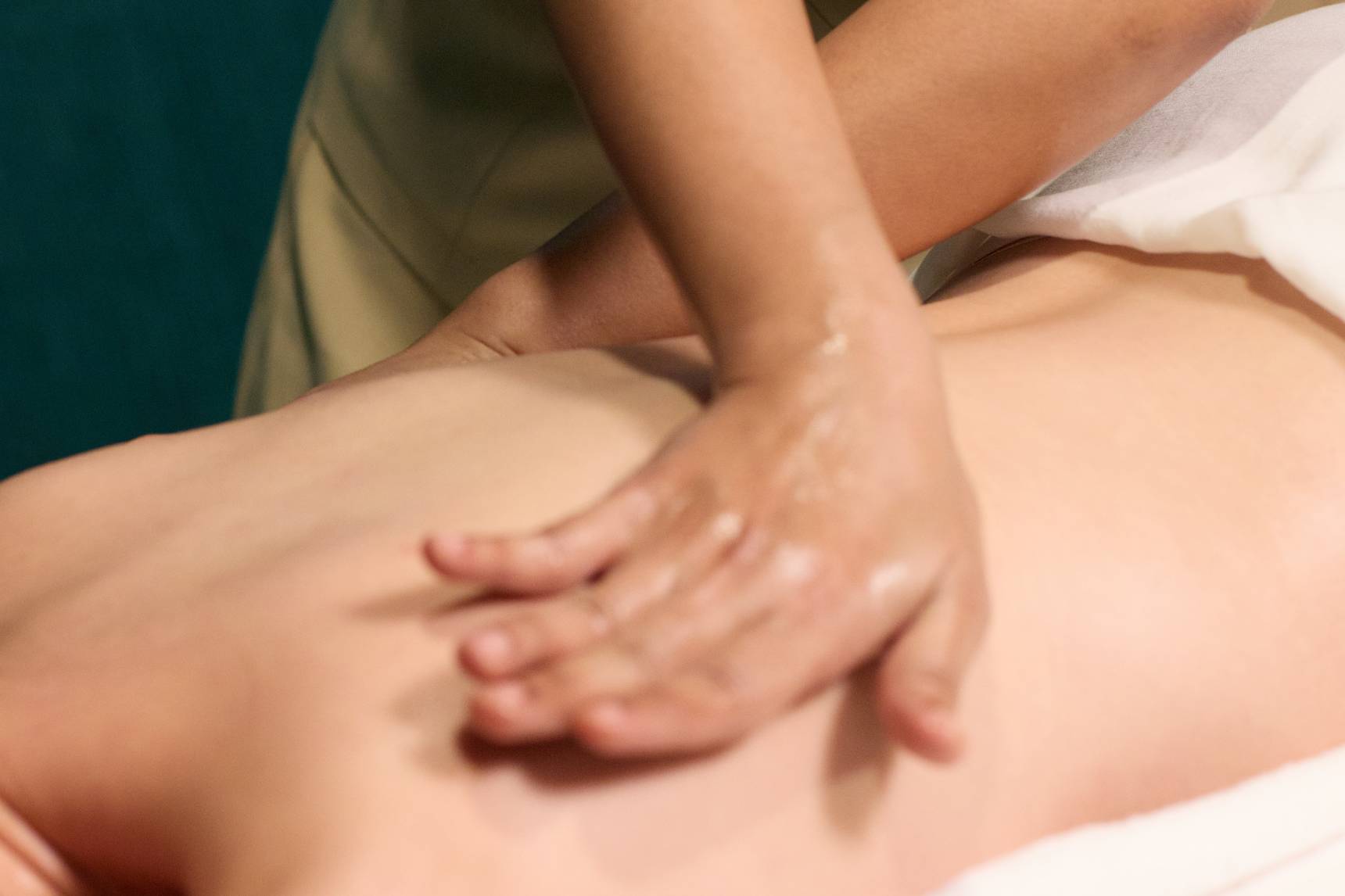
In the crowded wellness landscape of Bangkok, Nakhon Spa has distinguished itself as the paragon of therapeutic precision and luxury. Located in the prestigious EmSphere district, Nakhon Spa does not merely offer a service; it provides a clinical intervention wrapped in the comfort of a world-class sanctuary. We understand that true sports massage requires more than just strength; it requires an intricate understanding of human anatomy and biomechanics. This is why we proudly claim to provide the most advanced and accurate sports massage available.
The "accuracy" in our methodology refers to our diagnostic approach. At Nakhon Spa, a session does not begin with generic routine; it begins with an analysis of your kinetic chain. Our therapists are trained to identify not just where the pain is, but where the dysfunction originates. A pain in the lower back may be traced to a tightness in the hamstrings or a restriction in the hip flexors. By targeting the root cause with pinpoint precision, we achieve results that are both immediate and lasting. We utilize a fusion of traditional therapeutic wisdom and modern sports science, ensuring that every stroke serves a specific physiological purpose.
Our "advanced" techniques involve the integration of varying modalities suited to the individual's training cycle. Whether you require a pre-event priming session to fire up the nervous system and increase blood flow without inducing lethargy, or a post-event recovery session to flush metabolic waste and down-regulate the nervous system, our protocols are specific and evidence-based. We treat the body with the reverence it deserves, utilizing premium organic oils that facilitate the perfect amount of drag and glide, allowing for deep fascial manipulation without damaging the skin.
The environment at Nakhon Spa further enhances the efficacy of the treatment. We believe that the psychological state of the client dictates the physical response of the muscles. Our private treatment suites are engineered to induce a state of profound calm, allowing your nervous system to fully accept the therapeutic work. The combination of our award-winning hospitality, including our signature welcome drinks and post-treatment Thai desserts, with our rigorous clinical standards, creates an experience that supports the athlete and the individual in their entirety. We do not just treat muscles; we optimize the human machine.
Conclusion: A Necessity for Modern Living
The integration of sports massage into a regular health routine is no longer a luxury; it is a necessity for anyone who demands the best from their body. It is a scientifically validated method for enhancing performance, preventing the inevitable wear and tear of activity, and ensuring a higher quality of life. The benefits cascade from the cellular level—improving oxygenation and reducing inflammation—to the systemic level, balancing the nervous system and improving mental resilience.
At Nakhon Spa, we stand at the forefront of this therapeutic evolution. We invite you to experience the difference that accuracy, expertise, and genuine care can make. Whether you are training for a marathon, recovering from an injury, or simply seeking to correct the imbalances of a sedentary lifestyle, our advanced sports massage is the tool you need to restore your body to its peak potential. Your body is the only place you have to live; treat it with the precision and respect it deserves at Nakhon Spa.