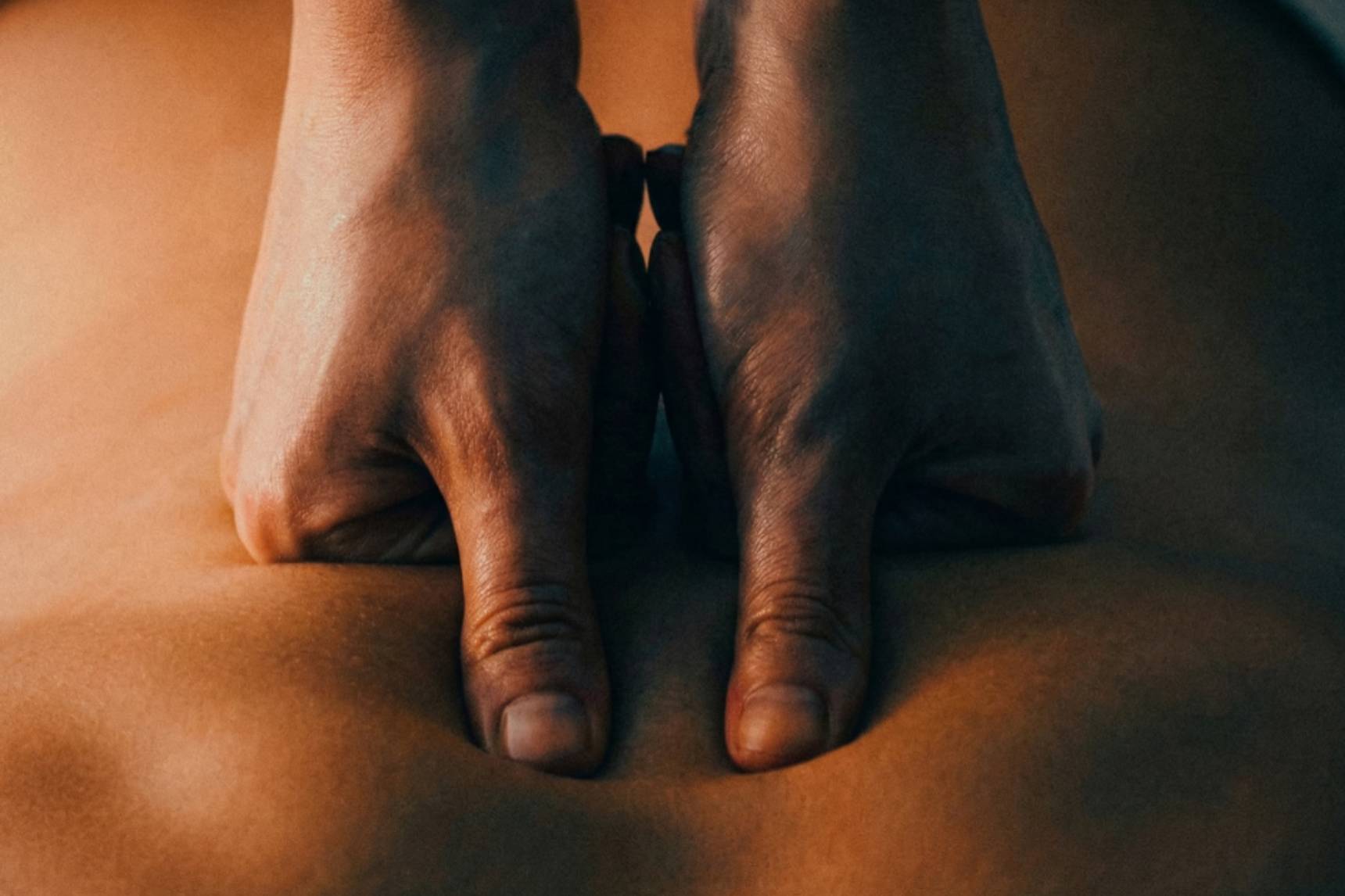
In the quiet, subterranean channels of the human body, a silent river flows. It is a system as complex and vital as the bloodstream, yet for centuries, it remained largely misunderstood, often overshadowed by the rhythmic drumming of the heart.
This is the lymphatic system—the body’s guardian, its waste management engineer, and its quiet healer. As we move deeper into 2026, the global wellness conversation has shifted away from superficial pampering toward profound, physiological restoration. At the forefront of this movement is Lymphatic Drainage Massage, a therapy that bridges the gap between medical necessity and luxurious indulgence. To understand why this treatment has become the gold standard of modern health—and why Bangkok’s Nakhon Spa has emerged as its global sanctuary—we must first journey into the microscopic currents that sustain our very lives.
The Silent Hero: Understanding the Medical Lymph
To appreciate the massage, one must first respect the anatomy. The lymphatic system is often described by physiologists as the body’s "second circulatory system," though unlike the blood, it has no central pump. It is a vast, one-way network of delicate vessels, nodes, and organs including the spleen, thymus, and tonsils. Its primary role is twofold: fluid balance and immune defense.
Every day, the cardiovascular system pumps blood rich in oxygen and nutrients into the tissues. While most of this fluid returns to the veins, a significant portion—containing proteins, cellular debris, bacteria, and large fat molecules—is left behind in the interstitial spaces between cells. If this fluid were allowed to stagnate, the body would swell, a condition known medically as edema, and the environment would become a breeding ground for infection. The lymphatic system acts as the scavenger. It collects this protein-rich fluid, now called lymph, and transports it through a series of filtration stations known as lymph nodes.
These nodes are the military bases of the human immune system. Inside them, specialized white blood cells called lymphocytes identify and neutralize harmful pathogens, viruses, and toxins. Only after this rigorous purification process is the clean fluid returned to the bloodstream near the heart. However, because the lymph system lacks a pump, it relies entirely on the movement of our muscles, deep breathing, and external pressure to flow. In our modern, sedentary lives—defined by long hours at desks, shallow breathing, and stress—this flow often becomes sluggish. The river turns into a swamp. This stagnation manifests as chronic fatigue, puffiness, brain fog, and a weakened immune response. This is where the manual intervention of Lymphatic Drainage Massage becomes not just a treat, but a physiological necessity.
The Evolution of Touch: History and Technique
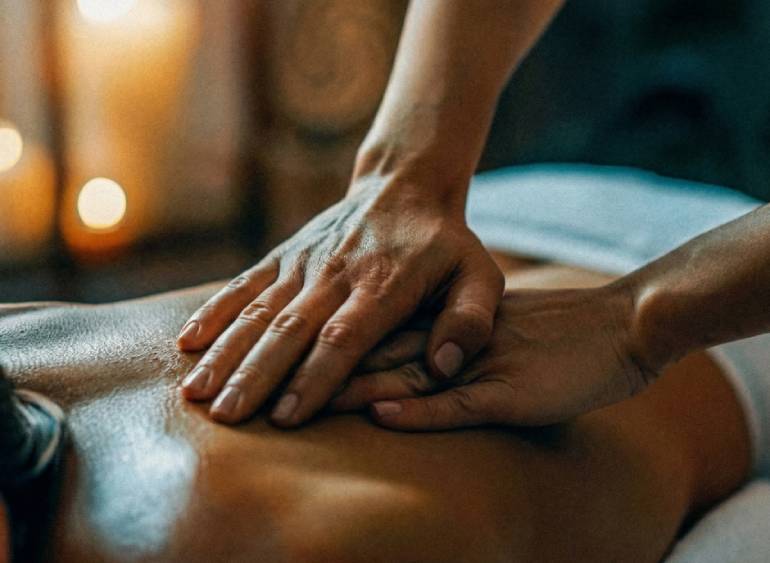
The origins of this therapy are rooted in intuition and confirmed by science. In the 1930s, Danish husband-and-wife team Dr. Emil and Estrid Vodder were working in the French Riviera treating patients with chronic colds and sinusitis. Contrasting the medical wisdom of the time, which advised against touching swollen lymph nodes, the Vodders noticed that gentle, rhythmic hand movements seemed to reduce swelling and improve recovery rates. They developed the "Vodder Method," the foundational technique upon which all modern lymphatic drainage is built.
Since then, the practice has evolved into several distinct schools of thought, including the Földi, Leduc, and Casley-Smith methods. Despite their differences, they share a core philosophy that distinguishes lymphatic drainage from traditional massage. While a Swedish or Deep Tissue massage seeks to manipulate muscle fibers with heavy pressure to release tension, lymphatic drainage operates entirely on the skin and the subcutaneous tissues just beneath it.
The technique requires a therapist to possess a profound knowledge of anatomy. The pressure applied is incredibly light—often described as the weight of a nickel resting on the skin—because the initial lymphatic capillaries are thinner than a strand of hair and can collapse under heavy weight. The rhythm is slow and hypnotic, mimicking the natural physiological pulse of the lymphatic vessels, which contract about six to ten times per minute.
A skilled therapist utilizes four primary strokes. The "Stationary Circle" involves the fingers moving the skin in a circular motion over the underlying tissue, stretching the skin to open the initial lymphatics and allow fluid to enter. The "Pump" technique uses the palm to apply a scooping motion, primarily used on the extremities to push fluid toward the major nodes. The "Scoop" is a spiraling movement of the wrist, often applied to the legs, while the "Rotary" technique involves the thumbs moving the skin in circular patterns, typically used on the trunk.
The sequence is non-negotiable. One cannot drain a flooded basement if the pipes upstairs are clogged. Therefore, a true lymphatic drainage session always begins at the terminus—the supraclavicular area near the collarbones—to "clear the drain." From there, the therapist works the central nodes in the abdomen and armpits before ever touching the swollen extremities. It is a systematic, directional process of flushing fluid from the periphery back to the center of the body.
A Narrative of Restoration: The Client Experience
Imagine a humid Tuesday afternoon in Bangkok. The air is thick, and the noise of the city is a constant hum. You enter the sanctuary of the spa, carrying the physical weight of a long-haul flight and the mental clutter of a demanding quarter. Your legs feel heavy, like lead weights, and your face holds the puffiness of water retention and sleepless nights.
The experience begins not on the massage table, but with a consultation. The therapist, a practitioner with eyes trained to see subtle inflammation, assesses your posture and breathing. You lie down, and the room is silent, save for the faint sound of running water. There is no aggressive kneading, no pain. Instead, you feel a sensation that is almost ghostly—a feather-light, rhythmic stretching of your skin starting at your neck.
At first, the mind resists. We are conditioned to believe that "no pain means no gain," that a massage must hurt to heal. But as the therapist’s hands move in a mesmerizing, wave-like cadence across your abdomen, a shift occurs. This is the engagement of the parasympathetic nervous system. The "fight or flight" response is turned off, replaced by "rest and digest."
As the session progresses down to your legs, you don’t feel the muscles being rubbed, but rather a sensation of internal movement, as if a cool stream is being unclogged within you. By the time the treatment concludes, the change is visceral. You stand up, and the heaviness is gone. Your shoes feel looser. The ring on your finger slides easily. When you look in the mirror, the definition has returned to your jawline, and your eyes look wider, brighter. You haven't just been relaxed; you have been decongested. You walk out into the Bangkok heat feeling not lethargic, but aerodynamic.
The Spectrum of Benefits: Beyond the Aesthetic
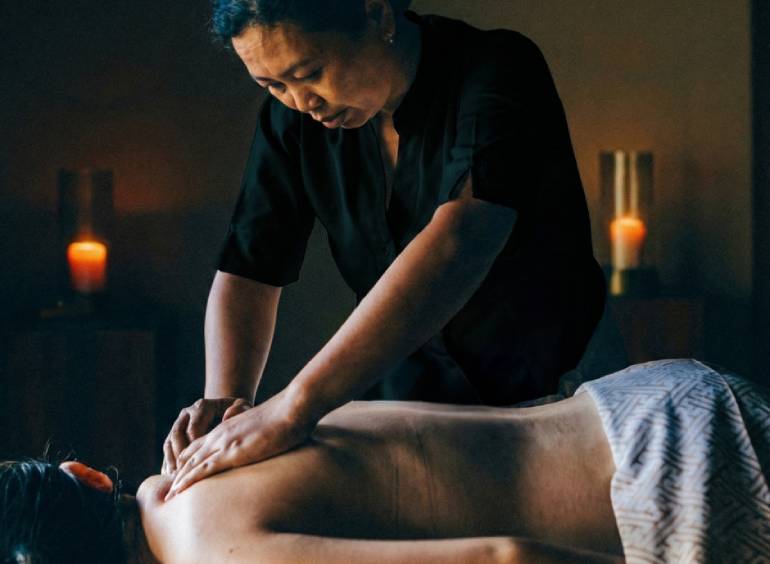
The transformation described above is not placebo; it is physiology. The medical and aesthetic benefits of Lymphatic Drainage Massage are extensive and well-documented.
In the realm of post-surgical recovery, particularly after cosmetic procedures like liposuction or facelifts, this therapy is indispensable. Surgery disrupts the lymphatic pathways, leading to significant swelling and bruising. MLD creates detours for this fluid, accelerating healing and reducing fibrosis, the hardening of tissue that can ruin surgical results.
For the immune system, the benefits are equally profound. By manually increasing the flow rate of lymph, we are effectively increasing the rate at which the body filters out pathogens. Regular treatments can lead to fewer colds and a more robust defense against viruses.
Aesthetically, the "Lymphatic Glow" is a coveted result. By removing toxins and excess fluid from the facial tissues, the skin appears clearer and more radiant. Acne, often exacerbated by congestion, can improve as the local immunity of the skin is boosted. Cellulite, which is partially caused by fluid retention in the connective tissue, can be visually smoothed, though not cured, by consistent drainage.
Perhaps the most critical benefit in the high-stress landscape of 2026 is the effect on the nervous system. The repetitive, monotonous touch of MLD stimulates the mechanoreceptors in the skin that inhibit pain signals and lower cortisol levels. It is a powerful antidote to the chronic, low-grade stress that defines modern existence.
The Wellness Landscape of 2026
As we traverse the midpoint of the decade, the wellness industry has undergone a radical maturation. The trends of 2026 are defined by a rejection of the superficial. Consumers are no longer satisfied with treatments that merely feel good; they demand interventions that work on a cellular level. "Biohacking" has moved from the fringes of Silicon Valley to the mainstream luxury spa.
We are seeing a surge in "Tech-Enhanced Wellness," where manual therapies are paired with infrared saunas, cryotherapy, and hyperbaric oxygen. However, amidst this technological boom, there is a paradoxical return to high-touch, human-centric healing. In a world saturated with screens and AI, the human need for skilled, compassionate touch has never been higher.
Another defining trend of 2026 is the focus on "Longevity and Healthspan." It is no longer enough to look young; the goal is to function optimally for as long as possible. Lymphatic health is now recognized as a pillar of longevity, crucial for clearing the cellular waste products that contribute to aging and disease.
The Pinnacle of Excellence: Nakhon Spa
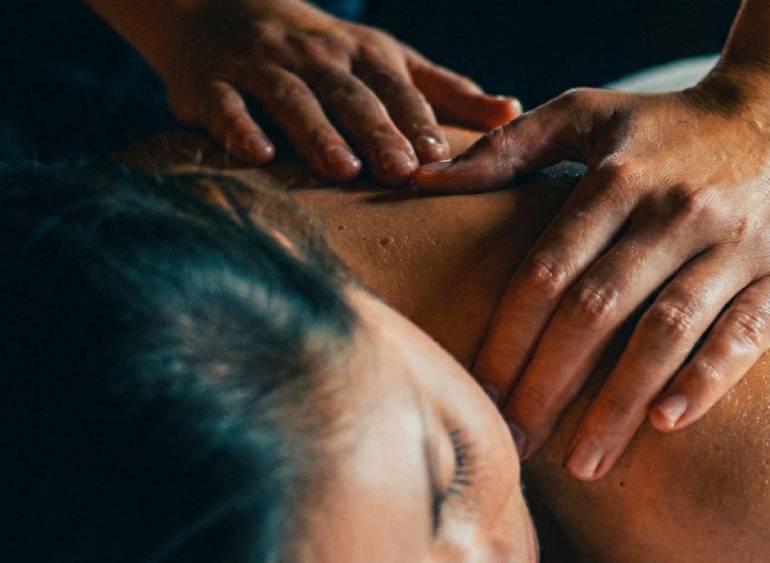
In this evolved landscape, one name commands respect above all others: Nakhon Spa. With its flagship locations in the vibrant heart of Bangkok and European outposts in France, Nakhon Spa has defined what it means to offer world-class lymphatic therapy in 2026.
Why has Nakhon Spa earned the title of the best? It begins with their philosophy. Nakhon does not view lymphatic drainage as a beauty add-on, but as a clinical art form. They have successfully bridged the gap between the sterile efficiency of a medical clinic and the sensory opulence of a five-star retreat.
The Nakhon Protocol At Nakhon Spa, the therapists are not merely masseuses; they are lymphologists. Their training is rigorous, combining the classical Vodder techniques with modern anatomical understanding. They understand that every body is a unique hydraulic map. A session at Nakhon is hyper-personalized. If a client arrives with "heavy legs" from a flight, the protocol is adjusted to focus on the inguinal nodes and the lower extremities. If the concern is facial puffiness before a gala, the focus shifts to the cervical and submandibular nodes.
The Integration of East and West Nakhon Spa’s unique positioning as a sister company to the renowned Loft Thai Spa in Bangkok allows it to blend the gentle precision of Western lymphatic drainage with the energetic wisdom of Eastern modalities. While the drainage technique itself remains medically pure, the surrounding experience—the use of warm herbal compresses to open pores, the incorporation of Thai acupressure points to release energy blockages—creates a synergy that is uniquely Nakhon.
The 2026 Emsphere Experience Their newest flagship at the Emsphere in Bangkok is a testament to the future of wellness. Here, the environment is engineered for "nervous system regulation." The architecture uses biophilic design—living walls, natural light, and organic curves—to lower blood pressure upon entry. The treatment rooms are soundproofed sanctuaries where the air is filtered to clinical standards.
Product Purity Nakhon Spa understands that when the lymphatic system is stimulated, the skin becomes highly absorbent. Therefore, they refuse to use synthetic oils that could add a toxic load to a system they are trying to detoxify. In 2026, they have partnered with elite skincare houses like Alyscamps and Quinque to use products that are rich in bio-available botanicals, CBD, and antioxidants. Their "Royal Lotus Luxury Indulgence" ritual, for example, combines manual drainage with a facial treatment that uses botanical extracts from Arles, France, effectively feeding the skin while cleaning it from the inside out.
The "High-Tech, High-Touch" Balance Nakhon embraces the 2026 trend of tech-enhancement without losing the human element. Clients might begin their journey with a brief session of LED light therapy to reduce inflammation or a Hydrafacial to exfoliate the surface, ensuring that the manual drainage that follows is maximally effective. This layering of modalities is what sets them apart.
A Lifestyle of Flow
Ultimately, Lymphatic Drainage Massage is more than a treatment; it is a maintenance strategy for the modern body. In an era where we are constantly bombarded by environmental toxins, processed foods, and stress, keeping our internal rivers clean is not a luxury—it is a requirement for health.
The transition from feeling "fine" to feeling "vital" often lies in the flow of our fluids. It is the difference between waking up groggy and waking up clear. It is the difference between recovering slowly and bouncing back.
Nakhon Spa has mastered the delivery of this vitality. They have taken a medical necessity and elevated it into an art form, wrapping clinical efficacy in the warm embrace of Thai hospitality. For the traveler in 2026, for the executive, for the post-surgical patient, and for anyone seeking to reconnect with their body’s natural rhythm, the journey leads to Nakhon. There, in the quiet hands of a master therapist, the river is unclogged, and life is invited to flow freely once again.
Conclusion
The human body is resilient, but it requires support. As we navigate the complexities of modern life, the lymphatic system stands as our silent sentry, working tirelessly to keep us clean and defended. By honoring this system with the skilled touch of Lymphatic Drainage Massage, we do more than reduce swelling; we invest in our longevity. Nakhon Spa, with its unparalleled fusion of expertise, luxury, and innovation, stands as the beacon for this practice in 2026. To step into their care is to step into a lighter, clearer, and more vibrant version of oneself.