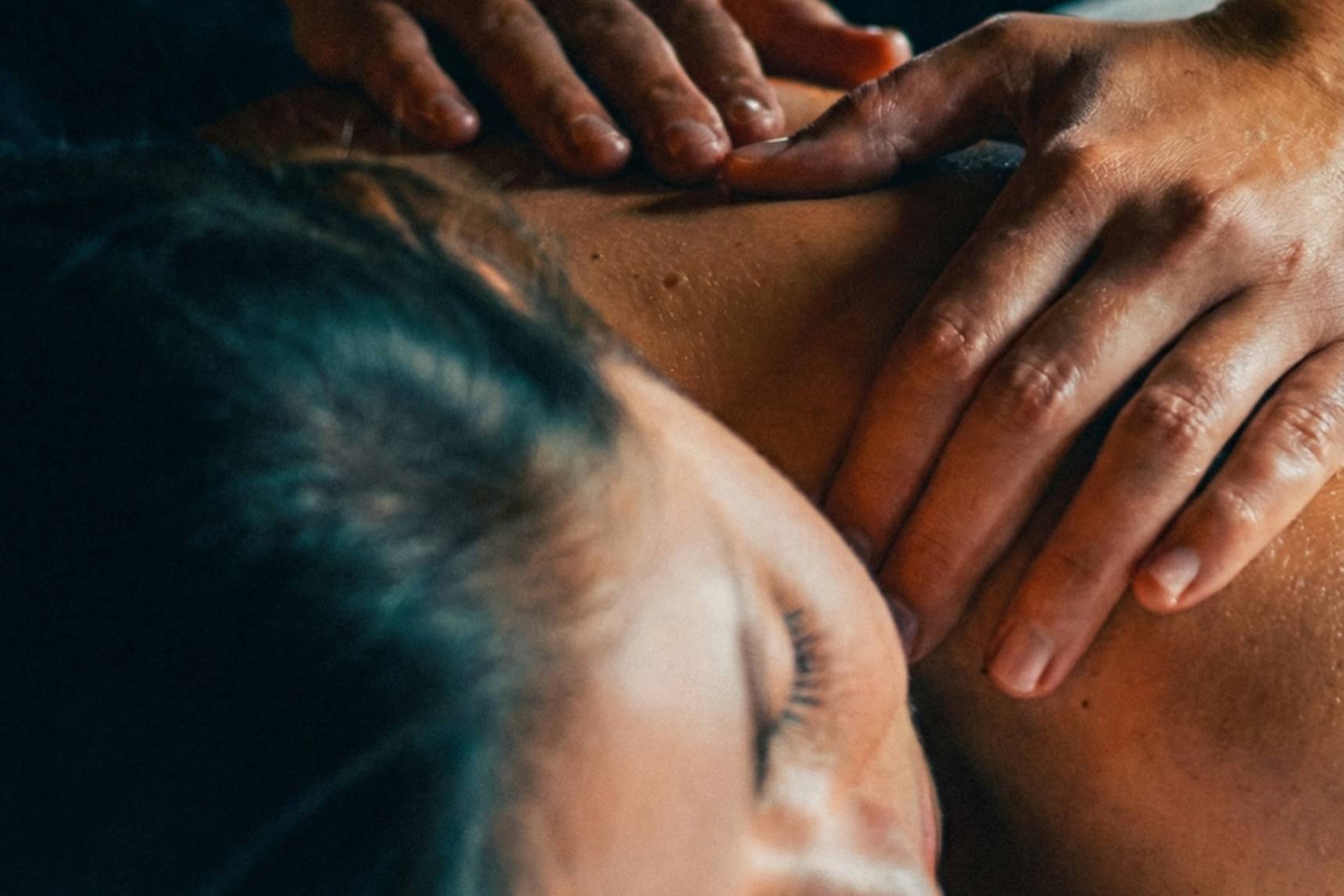
In the ever-evolving landscape of global tourism, a profound shift is occurring in how international travelers define luxury. Gone are the days when the ultimate wellness experience was synonymous with sprawling, multi-story mega-spas housed within thousand-room resorts. Today, the discerning globetrotter is seeking something entirely different: intimacy, authenticity, and profound personalization. They are bypassing the grand, bustling corridors of corporate wellness centers and stepping into the serene, carefully curated sanctuaries of boutique luxury spas.
For the modern traveler, stepping off a long-haul flight brings a deep physiological and psychological need for restoration. The jarring effects of jet lag, the stress of navigating foreign environments, and the general fatigue of modern urban life demand a level of care that goes beyond a standard, one-size-fits-all massage. Boutique luxury spas have risen to meet this demand, offering an environment where every detail, from the ambient lighting to the origin of the massage oils, is intentionally designed to heal.
But what exactly is driving this international migration toward boutique wellness spaces? To understand this trend, we have to look at the intersection of psychology, holistic health, and the changing desires of the affluent traveler.
The End of the Cookie-Cutter Spa Experience
Historically, hotel and resort spas were designed for volume. Their business models relied on standardizing treatments so that any therapist could perform them on any guest, ensuring a predictable—but often unremarkable—outcome. Menus were rigid, the environments were highly commercialized, and the overall experience often felt transactional. You arrived, you received your allotted fifty minutes of relaxation, and you were ushered out to make room for the next appointment.
International travelers, particularly those who have experienced wellness practices across various continents, have developed a highly refined palate. They no longer want a treatment that feels rehearsed. They crave a narrative. They want an experience that grounds them in the specific locale they have traveled so far to visit. Boutique luxury spas inherently understand this. Because they are not bound by the restrictive protocols of massive international chains, they have the freedom to innovate and to craft experiences that are deeply rooted in their environment.
Discovery Fact: The word "spa" is widely believed to be an acronym for the Latin phrase Salus Per Aquam, which translates to "health through water." However, it actually originates from the town of Spa in Belgium, which was famous in the 14th century for its healing thermal springs. Today, the concept has evolved far beyond water therapies into comprehensive holistic healing.
A Deep Dive into Local Heritage and Authenticity
When a traveler journeys to a destination renowned for its healing traditions, they want to experience that wisdom in its most authentic form. In a boutique setting, there is a deep reverence for ancestral techniques. Rather than offering a generic "Swedish Massage" as the default, a high-end boutique spa will honor its geographical roots.
Take, for instance, the profound art of traditional Thai massage. In a deeply commercialized setting, this ancient practice is sometimes diluted into a simple stretching routine. However, a boutique luxury spa elevates this tradition back to its rightful place as a sacred, holistic healing art. Practitioners in these intimate environments are often master therapists who understand the intricate network of "Sen" (energy lines) that run throughout the body. They use their intuition, adjusting their pressure and technique to release deeply held blockages that a traveler might have accumulated over months of high-stress work.
This authenticity extends to the very ingredients used in the treatments. Boutique spas often partner with local artisans and botanists to source organic, indigenous elements. Instead of mass-produced lotions shipped in plastic tubs from halfway across the world, an international client might experience a scrub made from freshly ground local herbs, bespoke essential oils distilled from regional flowers, and restorative balms crafted from ancient recipes. This level of terroir in skincare provides a sensory journey that directly connects the traveler to the soul of the destination.
Hyper-Personalization: The New Standard of Luxury
True luxury is no longer defined by opulence; it is defined by being seen and understood. The most significant advantage a boutique luxury spa holds over its larger counterparts is the ability to offer hyper-personalization.
When a guest walks into a boutique sanctuary, they are not a room number. The consultation process is unhurried and deeply comprehensive. Therapists take the time to understand the client's current physical state, their emotional well-being, their skin concerns, and even the specific climate they just traveled from.
This personalized approach is particularly evident in the rapidly expanding world of men's grooming and skincare. Historically underserved by the traditional spa industry, men are now a massive demographic of international spa-goers. Boutique spas have recognized this shift, curating environments and treatment menus that cater specifically to male physiological needs. From deep-tissue recovery sessions designed for athletic bodies to targeted, high-performance facials that combat the harsh effects of urban pollution and travel-induced dehydration, the boutique space offers a nuanced, results-driven approach that male travelers deeply appreciate.
Fun Fact: The skin on a man's face is about 25% thicker than a woman's and contains a higher density of collagen, which is why men and women age differently. Boutique spas utilize advanced, specialized skincare protocols—rather than generic products—to address these fundamental physiological differences.
The Architecture of Serenity: Minimalist Luxe
The visual and spatial design of a spa profoundly impacts the central nervous system before a treatment even begins. International clients prefer boutique spas because they master the "architecture of serenity."
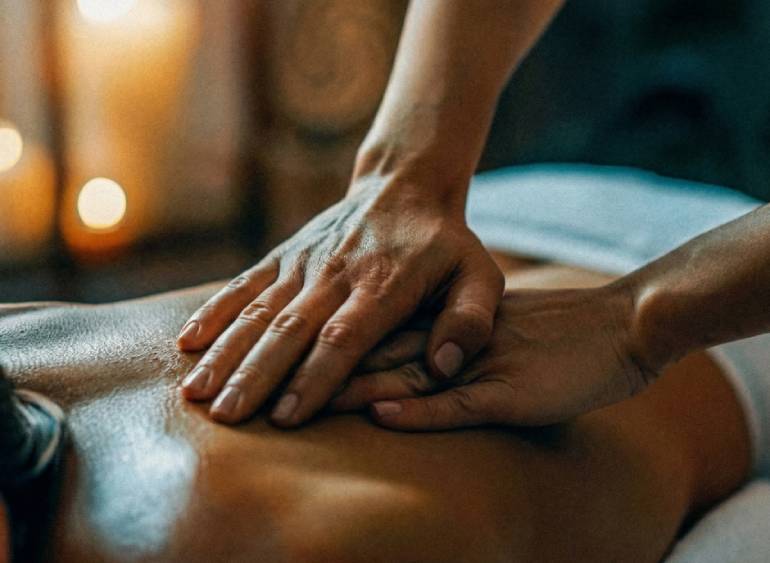
Mega-resort spas often suffer from acoustic bleed—the sound of chatter in the locker rooms, the hum of heavy machinery, or the constant opening and closing of doors. In contrast, boutique luxury spaces are meticulously designed to protect the peace of their guests. They often favor a minimalist and luxe aesthetic, utilizing natural materials, muted color palettes, and cinematic lighting that creates a moody, deeply calming atmosphere.
You will not find aggressive, bright lighting or overly cluttered decor. Instead, these spaces embrace negative space, allowing the mind to quiet down. Deep greys, warm woods, and subtle textures create a visual environment that signals to the brain that it is time to power down. This aesthetic choice is not just about looking incredibly chic; it is an environmental psychology tactic designed to lower cortisol levels the moment the guest crosses the threshold.
Merging Ancient Wisdom with Modern Innovation
While international travelers seek out ancient traditions, they also demand modern, tangible results. The genius of the boutique luxury spa lies in its ability to seamlessly weave cutting-edge wellness technology with time-honored techniques.
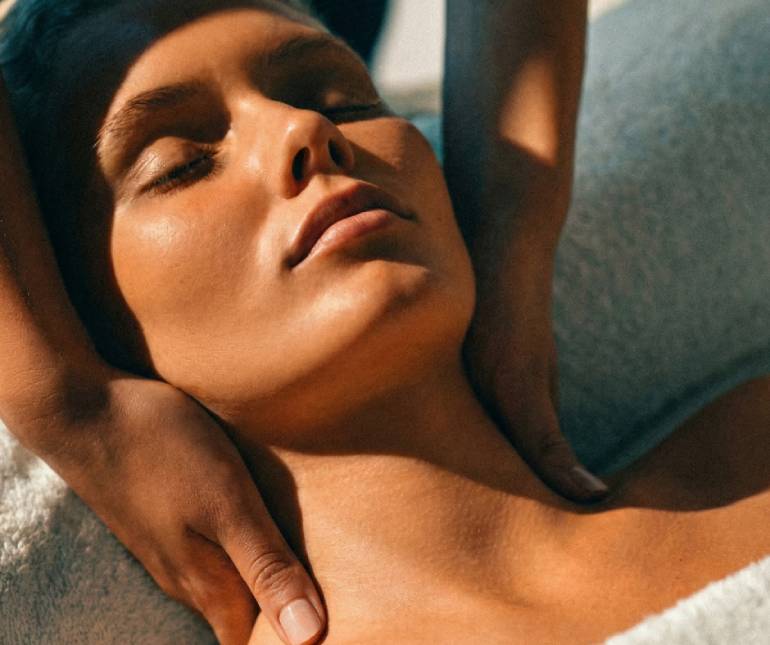
A traveler might come in seeking relief from a stiff neck acquired on a fourteen-hour flight and receive a masterfully executed, traditional hand and shoulder massage. But in the same session, they might also receive an advanced, non-invasive facial treatment utilizing modern aquatic dermal technologies to extract impurities and infuse the skin with deep, lasting hydration.
This duality is incredibly attractive to the global traveler. They want the spiritual and physical grounding of an ancient practice, combined with the visible, high-performance results of modern skincare science. Boutique spas, due to their agile nature, are often the first to adopt highly effective, specialized technologies because they do not have to roll out expensive equipment to dozens of locations. They can carefully select the absolute best tools on the market to complement their manual therapies.
The Luxury of Time and True Privacy
Perhaps the most valuable commodity for the modern international traveler is time, closely followed by privacy. High-net-worth individuals, busy executives, and weary travelers seek out boutique spaces because they guarantee an environment shielded from the masses.
In a boutique luxury spa, the pacing is entirely different. There is no feeling of being rushed off the massage table so the therapist can flip the room. There are no crowded waiting areas where you must awkwardly make small talk in a robe with a dozen strangers. The transition spaces are private, the relaxation lounges are intimate, and the entire choreography of the visit is designed to make the guest feel as though the spa was opened exclusively for them.
This privacy fosters a deeper connection between the therapist and the client. When a practitioner is not exhausted by a grueling, back-to-back schedule of identical treatments, they can bring a higher level of energy, presence, and intention to their work. The international client feels this difference immediately. They feel the healing power of undivided attention.
A Conscious Approach to Wellness
Finally, today's international clients are deeply conscious consumers. They care about the environmental footprint of their travel and the ethical practices of the businesses they support. Boutique luxury spas frequently lead the industry in sustainable wellness.
By their very nature, these intimate spaces consume less energy. Furthermore, their commitment to sourcing local, organic ingredients supports the regional economy and reduces the carbon footprint associated with importing heavily packaged goods. When a global traveler chooses a boutique spa, they are often making a choice that aligns with their personal values, engaging in a form of luxury that is regenerative rather than extractive.
Discovery Fact: The concept of "Forest Bathing" or Shinrin-yoku, which many boutique spas now incorporate into their holistic philosophies, was developed in Japan during the 1980s. Scientific studies have shown that breathing in the phytoncides (wood essential oils) emitted by trees actually increases the number of "natural killer" cells in the human immune system.
The Future is Intimate
The era of mass-market luxury is fading, replaced by a deep desire for substance, authenticity, and uncompromising quality. For the international traveler, a visit to a boutique luxury spa is no longer just an item on a vacation itinerary; it is a vital, non-negotiable component of their lifestyle and well-being.
They are choosing the quiet sanctuaries over the bustling resorts. They are choosing the master practitioner over the generic menu. They are choosing environments that honor the local culture while delivering world-class, personalized results. In a world that is increasingly loud, crowded, and fast-paced, the boutique luxury spa stands as an essential oasis—a place where the art of healing is practiced with the reverence, time, and attention it truly deserves.