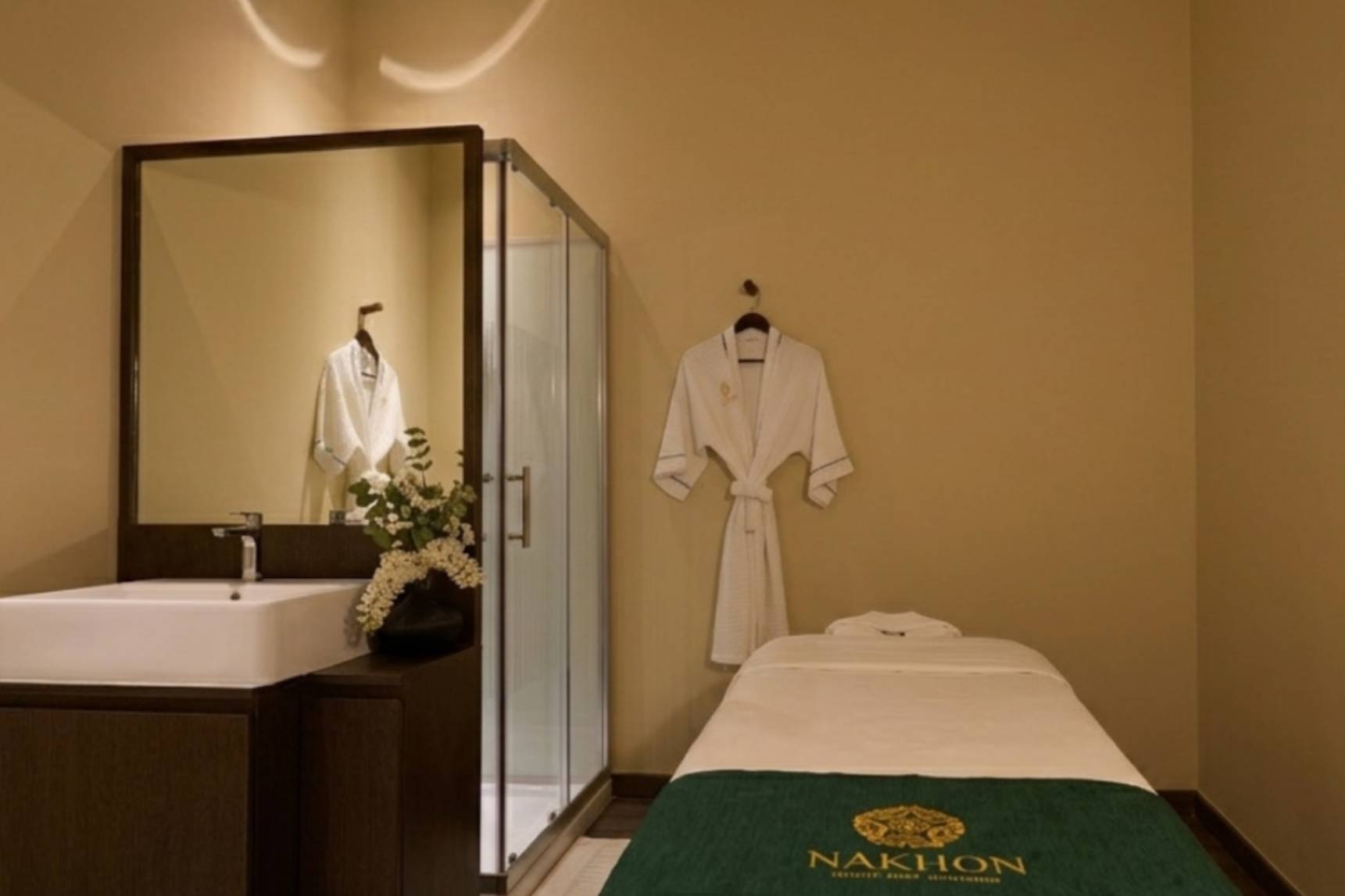
The history of Thailand is not just written in gold-leafed chronicles or etched into the stone of ancient temples; it is felt in the steady, rhythmic pressure of a thumb against a meridian line and smelled in the heady, sweet-sharp aroma of lemongrass and kaffir lime. For centuries, the secrets of Thai healing were the exclusive province of the royal court—a sophisticated tapestry of herbal medicine, spiritual alignment, and physical therapy designed to maintain the vitality of kings and queens.
Today, at Nakhon Spa, we bridge the gap between those gilded corridors of the past and the high-speed pulse of modern life. To step into a royal-inspired ritual is to participate in a living lineage of wellness. This is not merely a "massage"; it is a choreographed ceremony of restoration.
The Architecture of Royal Wellness: More Than Just "Nuad Thai"
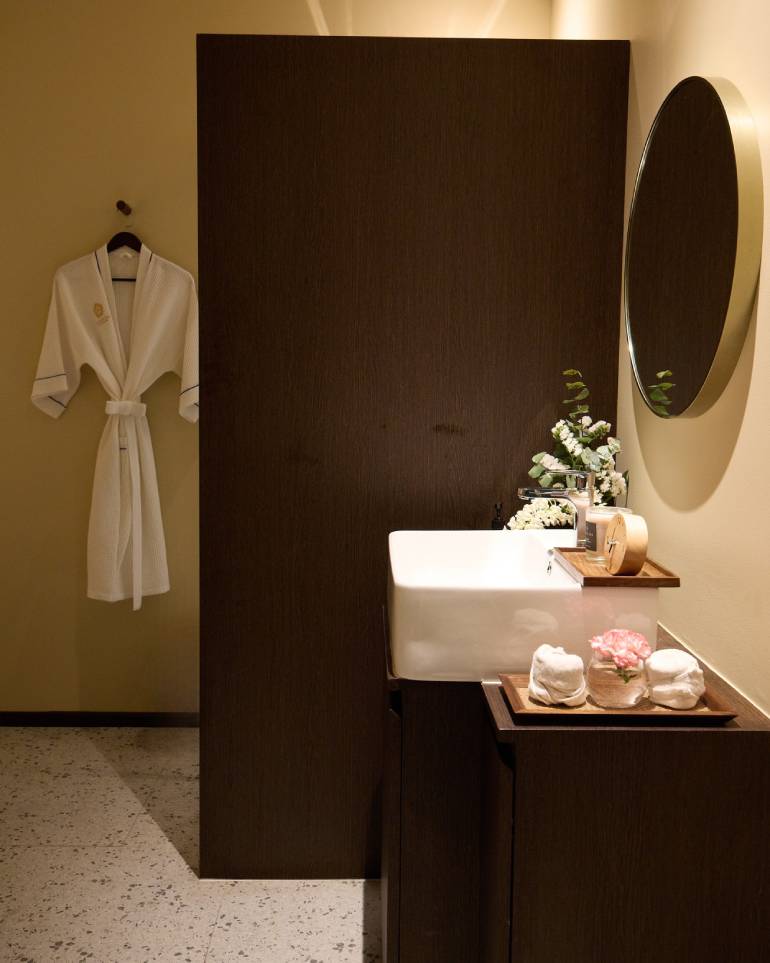
To understand why Royal Thai traditions are so effective, one must understand the philosophy of Lom (wind). In traditional Thai medicine, the human body is viewed through the lens of four elements: Earth, Water, Fire, and Wind.
- Earth represents the solid parts: bones, muscles, and organs.
- Water governs the fluids: blood, lymph, and secretions.
- Fire is the metabolic heat: digestion and temperature.
- Wind is the vital movement: the breath and the unseen energy flowing through the Sen lines.
The royal tradition focuses intensely on the "Wind." It was believed that when the internal wind was blocked, the body fell into stagnation, leading to fatigue, illness, and mental fog. Royal practitioners developed a refined technique known as Rajasamnak, which differs significantly from the "folk" style seen in villages. While folk massage is often acrobatic and uses feet and knees, the Royal style is incredibly precise, using only the hands and fingertips to honor the sanctity of the body—a practice originally born out of the strict etiquette required when touching a member of the royal family.
The "Gold Standard" of Pressure
In a royal-style treatment, the therapist maintains a specific distance from the guest, moving with a meditative grace. The pressure is applied with extreme intentionality. It isn’t about brute force; it is about "listening" to the muscle fibers. This level of discipline ensures that the nervous system is calmed rather than startled, allowing for a deeper release of chronic tension.
The Secret Apothecary: Herbs of the Kingdom
No Royal Thai ritual is complete without the Luk Pra Kob, or the herbal compress. If you’ve ever visited Nakhon Spa, you’ve likely seen these white muslin bundles steaming over a ceramic pot, releasing an earthy, citrusy fragrance that defines the Thai spa experience.
These compresses are essentially a "warm embrace" of pharmacological power. The traditional recipe has remained largely unchanged for centuries:
- Plai (Zingiber cassumunar): Often called the "King of Thai Herbs," it is a relative of ginger but far more potent for muscle inflammation. It’s what gives the compress its signature yellow hue and its ability to melt away "office syndrome" knots.
- Kaffir Lime (Makrut): Beyond its refreshing scent, the essential oils in the rind are powerful antioxidants and help clarify the skin and the respiratory system.
- Turmeric: The legendary healer. Used by royal ladies for centuries to achieve a golden, radiant complexion, it acts as a natural antiseptic and anti-inflammatory.
- Camphor and Menthol: These crystals are added to open the pores and the airways, allowing the herbal properties to penetrate deep into the bloodstream.
A Fun Discovery: Did you know that in the ancient Ayutthaya period, royal physicians would customize the herbal blend based on the specific day of the week the patient was born? Each day was associated with a different elemental balance, requiring a unique "prescription" of steam and pressure.
The Ritual of Water: Purification and Rebirth
Water has always been sacred in Thai culture. From the splashing joy of Songkran (the Thai New Year) to the gentle pouring of water over a Buddha statue, it symbolizes the washing away of bad luck and the welcoming of new beginnings.
In a Royal Spa context, water is used to transition the guest from the "outer world" to the "inner sanctuary." This usually begins with a Floral Foot Bath. While it may seem like a simple aesthetic touch, it is deeply symbolic. In Thai culture, the feet are the lowest part of the body, both physically and spiritually. By cleansing the feet with warm water, kaffir lime slices, and flower petals, the therapist is showing profound respect for the guest and symbolically stripping away the dust and stress of the outside world.
At Nakhon Spa, we elevate this with the inclusion of mineral salts and essential oils, turning a traditional greeting into a therapeutic start that softens the skin and begins the process of grounding the nervous system.
The Modern Resurgence: Why Royal Traditions Matter Today
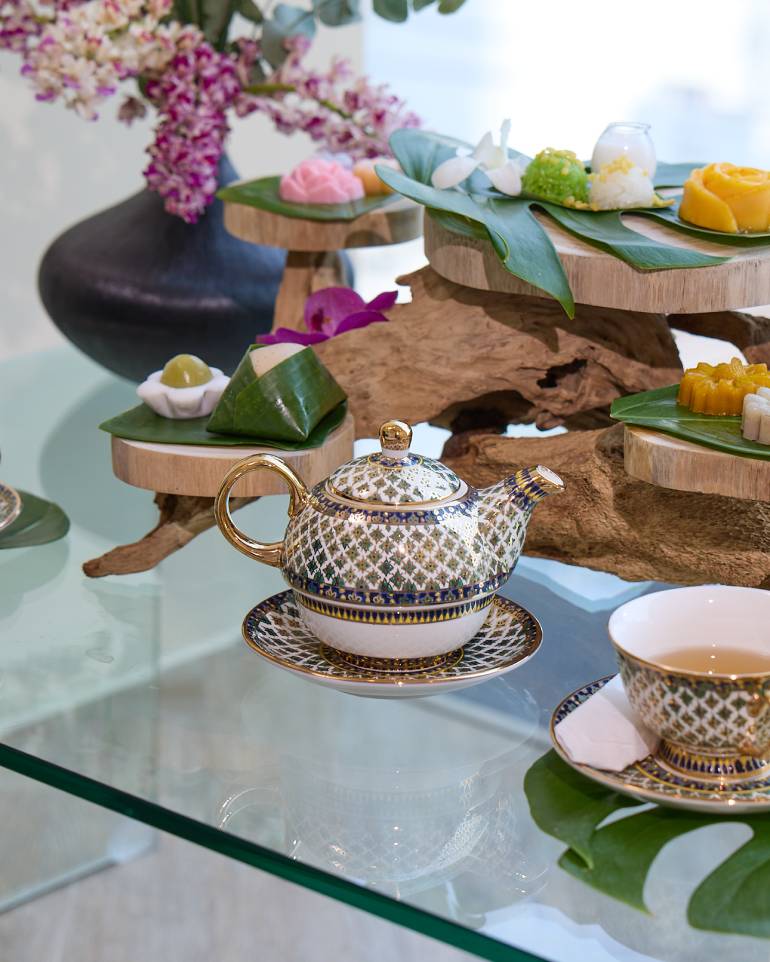
We live in an era of "digital toxicity." Our bodies are hunched over screens, our minds are cluttered with notifications, and our "internal winds" are more blocked than ever. The Royal Thai traditions offer a specific antidote to the ailments of the 21st century:
Postural Correction
Modern life creates "closed" postures—rounded shoulders and tight chests. Thai rituals focus on opening the "heart center." Through gentle stretching and targeted pressure on the Sen lines running across the chest and shoulders, these treatments physically pull the body back into its natural, upright alignment.
The rhythmic pressing of the Royal style acts as a manual pump for the lymphatic system. This helps the body detoxify naturally, reducing puffiness and improving the immune system—a must for those living in busy urban environments like Bangkok.
The "Moving Meditation"
Unlike some Western massage styles that focus purely on the physical, a Thai ritual is a dual-sensory experience. The synchronicity of the therapist’s breath with their movements creates a "coherent" environment. For the guest, this often leads to a state of Theta brainwave activity—the bridge between wakefulness and sleep where deep emotional healing occurs.
Did You Know? Fun Facts About Thai Wellness
- The World's Oldest Medical Manual? The walls of Wat Pho in Bangkok serve as a "stone encyclopedia." King Rama III ordered the basics of Thai massage and herbal medicine to be carved into the temple walls so that the knowledge would never be lost to the common people.
- A "No-Oil" Tradition: Traditional Royal Thai massage is performed through loose clothing without oil. This allows the therapist’s hands to grip the skin and muscle more precisely to "pluck" the energy lines, much like a musician tuning a stringed instrument.
- The Power of the Scent: The smell of a Thai spa is scientifically proven to reduce cortisol. The combination of lemongrass and jasmine triggers the olfactory bulb to send "safety signals" to the brain’s limbic system almost instantly.
Crafting Your Own Royal Experience at Nakhon Spa
You don’t need to be an ancient monarch to reap the benefits of these sophisticated rituals. When you book a session at Nakhon Spa, you are stepping into a space where these traditions are preserved with modern luxury.
Whether you choose a deep-tissue Thai massage to tackle physical fatigue or a heated herbal compress session to soothe your spirit, remember that you are partaking in a ceremony that has sustained a kingdom for over 700 years. It is an investment in your longevity, a tribute to your body, and a necessary pause in a world that never stops.
Are you ready to experience the "Wind" of healing?