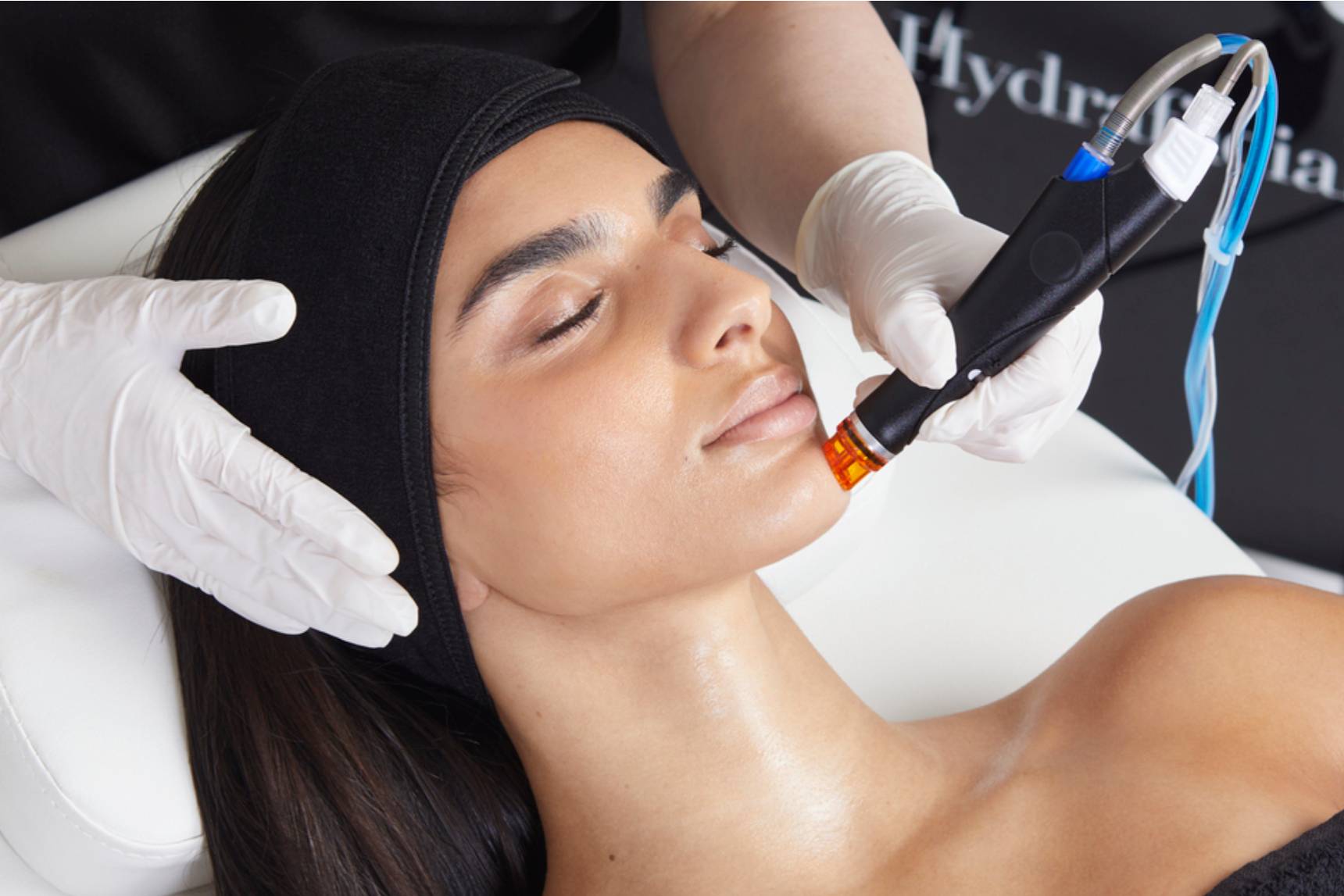
HydraFacial is no longer just a passing trend in aesthetic medicine; it has evolved into a benchmark for modern facial treatments. As we approach 2026, the treatment is increasingly seen as the convergence of dermatological science, intelligent device engineering, and preventive skincare philosophy. In an era defined by urban stressors, environmental pollution, and rising expectations for visible yet non-invasive results, HydraFacial represents a shift from traditional pampering toward clinical-grade skin optimization.
At the heart of this transformation is technology. Unlike classic facials that rely primarily on manual exfoliation, masks, and hand-performed extractions, HydraFacial uses an advanced mechanized system to cleanse, hydrate, and rejuvenate the skin. This technological difference is precisely why many professionals consider it a new standard in skincare rather than simply another facial option.
The science behind HydraFacial revolves around a proprietary delivery mechanism often referred to as vortex technology. This system employs a spiral design with precise vacuum fluidics that simultaneously removes impurities while infusing nourishing serums deep into the skin. In practical terms, this means the treatment is performing two critical dermatological actions at once: detoxification and replenishment. Instead of stripping the skin, it strengthens the barrier while cleaning it.
Hydradermabrasion, the broader category in which HydraFacial sits, involves a handheld suction wand that streams water and hydrating serums such as hyaluronic acid across the skin’s surface. This process gently exfoliates, cleanses, and hydrates simultaneously, delivering what many dermatologists describe as a more youthful appearance. The ability to combine multiple treatment steps into a single controlled procedure is one reason HydraFacial is widely perceived as efficient and clinically progressive.
The treatment typically unfolds in carefully sequenced stages. First comes deep cleansing and gentle exfoliation using a mild peel that loosens debris without irritating the skin. Then vortex suction painlessly extracts blackheads and congestion, avoiding the redness often associated with manual squeezing. Finally, the skin is infused with antioxidants, peptides, and hydrating ingredients designed to support long-term nourishment. The result is not just temporary glow but structural support for healthier skin cells.

One of the defining characteristics of HydraFacial is consistency. Because the treatment relies on a mechanized delivery system, it tends to produce predictable, high-quality outcomes regardless of the technician performing it. In a global aesthetic market increasingly focused on measurable results rather than subjective experiences, consistency has become a major competitive advantage.
Clinical observations further reinforce this perception. Dermatological reviews highlight HydraFacial’s effectiveness in reducing blackheads, improving texture, and delivering visible results even after a single session. Research has also shown that a series of clarifying treatments can improve overall skin appearance in patients with active acne. When different research teams report similar positive outcomes, it strengthens the argument that the treatment is more than cosmetic hype.
Another reason HydraFacial is expected to dominate the facial landscape in 2026 is its compatibility with modern lifestyle demands. The procedure is non-invasive, comfortable, suitable for most skin types, and typically involves minimal downtime. Many patients appreciate that they can return to daily activities immediately, sometimes even applying makeup the same day. In a fast-moving urban world, treatments that require no recovery period are inherently more attractive.
The benefits extend beyond convenience. HydraFacial addresses a broad spectrum of concerns including signs of aging, acne, uneven tone, hyperpigmentation, and enlarged pores. It also provides intense hydration, which supports skin resilience and helps combat dryness and environmental stress. Compared with traditional facials that often hydrate only the outer layers, HydraFacial delivers moisturizing serums deeper into the skin, improving texture and supporting healthier cells over time.
This depth of action is particularly relevant in megacities where pollution has become an unavoidable skin aggressor. Although pollution manifests differently depending on geography, airborne particles are known to accumulate on the skin surface and contribute to oxidative stress and barrier disruption. HydraFacial’s multi-step vortex process is designed to lift away environmental toxins while nourishing the barrier, effectively combining detoxification with repair.
For residents of highly polluted environments such as Bangkok, where PM2.5 particles are a recurring concern, the ability to deeply cleanse pores is more than cosmetic—it is preventative. Fine particulate matter can lodge into pores, mix with sebum, and accelerate dullness or congestion. Treatments that vacuum out debris and excess oil from pores offer a proactive strategy to maintain skin clarity. The HydroPeel tip used during extraction can literally remove built-up debris and oil from pores without pain.
As skincare shifts toward prevention rather than correction, this detox-oriented approach aligns perfectly with emerging consumer priorities. People increasingly seek treatments that protect the skin from long-term environmental damage rather than merely correcting visible imperfections.
Efficiency is another factor driving HydraFacial’s projected dominance. Noticeable improvements can often be seen in as little as 30 minutes, whereas traditional facials may require longer sessions or multiple visits to achieve comparable results. Immediate brightness, smoother texture, and clearer skin are commonly reported outcomes. In an experience-driven economy where clients expect rapid yet meaningful results, speed matters.
Customization also plays a major role. HydraFacial treatments can be tailored to specific skin types and concerns, something not always achievable with standardized manual facials. This adaptability makes the technology relevant for a wide demographic—from acne-prone younger patients to individuals targeting early aging.
Despite these advantages, understanding post-treatment care is essential to maximize results. Dermatology guidance emphasizes following professional advice, maintaining hydration, and using gentle skincare routines after facials to support long-term skin health. Avoiding sun exposure or irritating products immediately afterward is often recommended to protect the freshly treated skin barrier.
Consistency is equally important. Experts often suggest scheduling facials in alignment with the skin’s regeneration cycle, typically every four to six weeks, to maintain optimal health and reduce signs of aging. HydraFacial sessions specifically may be spaced every two to three months depending on sensitivity.
When evaluating HydraFacial’s future, it is also necessary to consider the broader evolution of aesthetic treatments. Microdermabrasion, once a dominant exfoliation method, has declined as more advanced options emerged. Dermatologists note that newer technologies such as HydraFacial provide more targeted exfoliation with skin-friendly ingredients, rendering older approaches somewhat outdated. This pattern suggests that innovation—not tradition—will continue to shape the facial market.
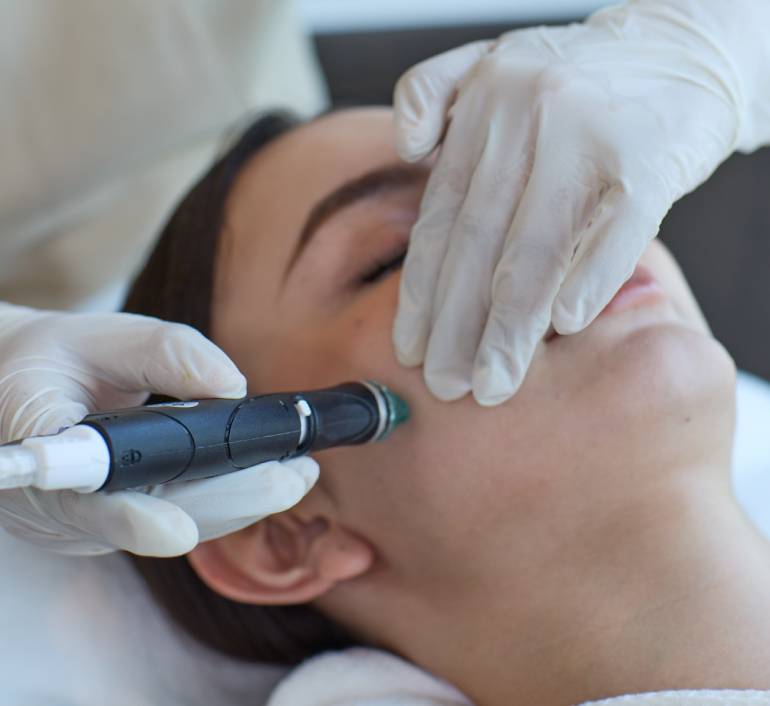
Yet no treatment exists in isolation, and alternatives still deserve attention. Traditional facials remain valuable for relaxation and the hands-on therapeutic experience they provide. Chemical peels and other resurfacing treatments can offer customizable, longer-lasting exfoliation for certain skin goals. Some individuals may even combine modalities to create layered skincare strategies.
However, what distinguishes HydraFacial is its hybrid identity. It merges the sensory appeal of a facial with the precision of medical aesthetics. The procedure combines cleansing, exfoliation, extraction, and hydration into a single treatment, delivering deeper results without irritation or downtime. This synthesis reflects the direction of modern wellness itself—where luxury and science increasingly overlap.
Another subtle but significant advantage is predictability. Traditional facials can vary depending on technique, skin temperature, or product absorption, whereas technology-driven treatments tend to deliver more measurable outcomes from session to session. For clients investing in long-term skincare programs, reliability is not just desirable; it is essential.
Perhaps the most compelling argument for HydraFacial’s rise is philosophical rather than technical. Skincare is transitioning from reactive beauty toward proactive health. Consumers are no longer satisfied with treatments that merely feel good—they want procedures that support barrier function, cellular hydration, and resilience against environmental stress.
HydraFacial embodies this philosophy. It is frequently described as clinical skin rejuvenation with visible results after a single treatment while remaining safe for all skin types and requiring no downtime. When a treatment can deliver immediate gratification and long-term benefits simultaneously, it naturally positions itself as the future.
Looking ahead to 2026, the facial landscape will likely be shaped by three forces: technology, personalization, and prevention. HydraFacial already sits at the intersection of these trends. Its vortex-based system, customizable protocols, and detoxifying capability align with the needs of urban populations facing pollution, stress, and accelerated aging.
This does not mean HydraFacial will replace every other facial. Rather, it signals a recalibration of expectations. Clients will increasingly judge treatments by clinical effectiveness, safety, and efficiency—not just relaxation. In that context, HydraFacial is less a competitor and more a reference point against which other treatments will be measured.
Ultimately, the reason HydraFacial is poised to become the defining facial of 2026 is simple: it reflects what modern skincare has become. Intelligent, data-driven, preventative, and results-oriented. As environmental pressures intensify and consumers demand more from aesthetic medicine, treatments capable of deeply cleansing, protecting, and strengthening the skin will lead the industry.
HydraFacial is not merely following the future of skincare—it is actively shaping it.