
In our modern, digitally-driven lives, a new set of chronic ailments has emerged. The persistent ache of "tech neck," the stiffness from hours spent hunched over a desk, and the pervasive mental haze known as "brain fog" have become commonplace. We often treat these as separate issues—a physical pain here, a lack of focus there.
However, neuroscience reveals a deep and intricate connection between them. Chronic physical stress doesn't just affect our bodies; it fundamentally rewires our brains. Understanding this connection is the first step toward a more effective solution, one that leverages the powerful, synergistic impact of therapeutic touch and olfactory stimulation.
The Vicious Cycle: How Pain and Posture Rewire the Brain
When you hold a poor posture or experience chronic pain, your body constantly sends distress signals to your central nervous system. Initially, this is a helpful protective mechanism. Over time, however, if the stimulus doesn't cease, the system can become over-sensitized. This phenomenon is known as central sensitization.
Think of it as the brain’s pain volume knob being stuck on high. The pain-processing regions, such as the somatosensory cortex and the limbic system, become so accustomed to receiving alarm signals that they become hyper-reactive. Neurons that process pain become more excitable, and pathways are strengthened, making you more sensitive to pain. Things that shouldn't hurt, start to ache.
This constant neurological "noise" is incredibly draining on the brain's resources. The mental energy required to constantly process and suppress these heightened pain signals directly contributes to mental fatigue, brain fog, and reduced productivity. Your brain is too busy managing the perceived crisis in your body to allocate resources to higher-level cognitive functions like focus, creativity, and problem-solving.

The Power of Touch: Resetting Neural Pathways
This is where the therapeutic power of touch becomes critical. Studies on how massage and movement therapies impact the brain show that they do far more than just relax sore muscles; they actively work to recalibrate these haywire neural circuits.
A skilled massage provides a flood of new, positive sensory information—pressure, texture, and temperature. According to the Gate Control Theory of Pain, these non-painful signals travel along faster nerve fibers than pain signals, effectively "closing the gate" on the pain messages trying to reach the brain. This provides immediate relief and, more importantly, gives the central nervous system a break from the relentless cycle of sensitization.
Furthermore, therapies that incorporate movement, such as traditional Thai massage, help to reset neural pathways. By gently guiding the body through its natural range of motion, the therapy helps re-establish a healthier dialogue between the body and the brain, reminding the brain what normal, pain-free movement feels like. This process also triggers a relaxation response that lowers stress hormones and improves blood circulation to the brain. The enhanced flow of oxygen and nutrients helps to clear metabolic byproducts associated with mental effort, directly alleviating mental fatigue and clearing brain fog.
The Olfactory Connection: Scent as a Direct Line to the Brain
Working in parallel to touch is the profound influence of scent. The olfactory system is unique among our senses. When you inhale an aroma, the scent molecules travel directly to the olfactory bulb, which has a direct connection to the limbic system—the brain's emotional, memory, and behavioral center. This means scent can evoke powerful emotional and physiological responses before our conscious mind even has time to process it.
Specific aromas have been studied for their ability to modulate brainwave activity and influence cognitive states. For example, the scent of rosemary has been linked to improved memory and alertness, while peppermint can enhance focus and reduce feelings of fatigue. Conversely, calming scents like lavender or bergamot can promote alpha wave activity in the brain, which is associated with a state of relaxed alertness. By integrating aromatherapy, we can directly target the mental components of pain and fatigue, using scent to either calm the overstimulated mind or gently energize it to overcome brain fog.
The Synergistic Impact: When 1 + 1 Equals 3
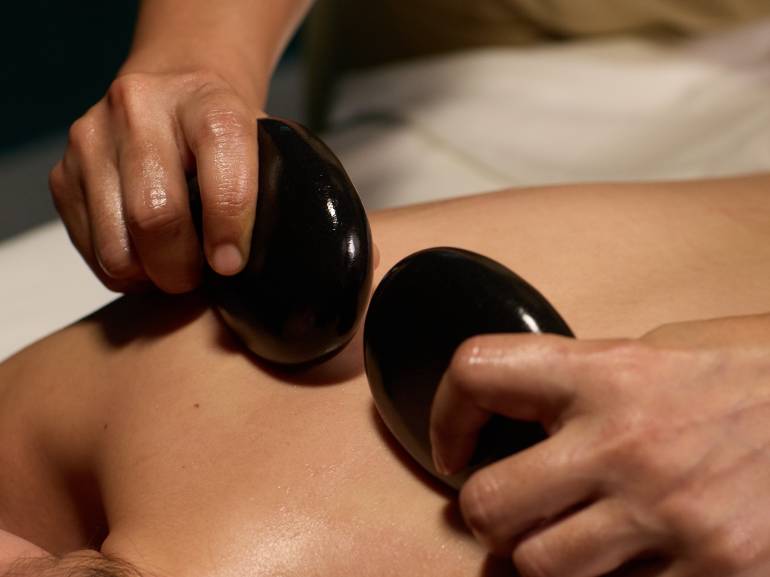
The true therapeutic breakthrough occurs when touch and olfactory stimulation are combined. The impact is not merely additive; it is synergistic. The calming aroma of lavender during a massage can deepen the relaxation response, making muscles more pliable and allowing the therapist to work more effectively on resetting the physical tension patterns. This makes the "gate closing" effect on pain signals even more potent.
Conversely, an invigorating blend of eucalyptus and peppermint used during a stimulating massage can amplify the circulatory boost, enhancing mental clarity and focus. This multi-sensory approach fully engages the brain, drawing its attention away from the chronic pain loops and immersing it in a new, positive experience.
Expert therapists, particularly in wellness hubs like Bangkok where integrated therapies are a cornerstone of the culture, are skilled at creating these bespoke sensory journeys. They understand how to pair a specific scent profile with a particular massage technique to address both the physical manifestation of pain and its neurological roots, helping to alleviate mental fatigue, brain fog, and reduced productivity at their source.
By addressing the interconnected nature of the body and brain, this combined approach offers a holistic and powerful path to breaking the cycle of chronic pain and restoring mental clarity.