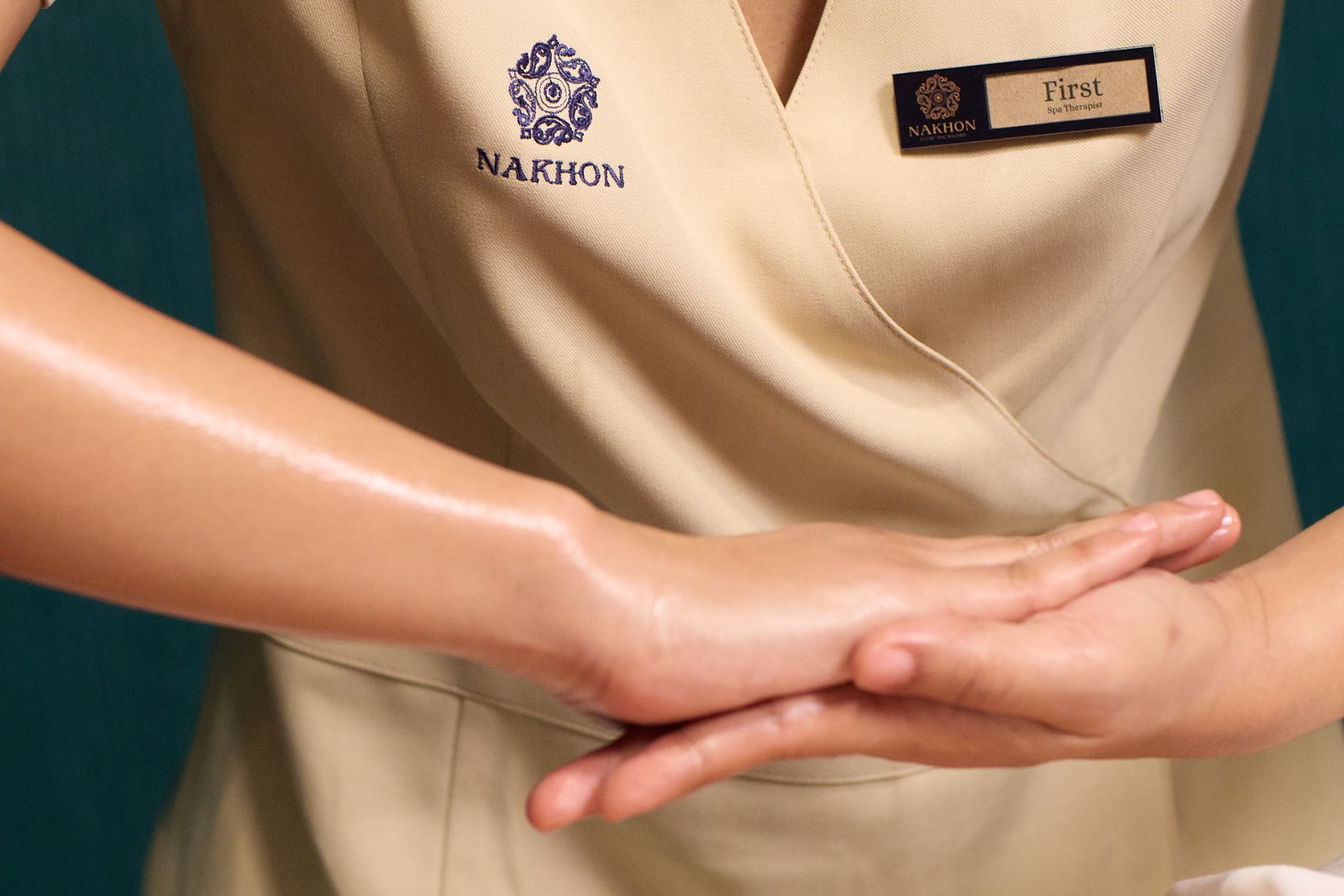
A therapeutic massage is far more than just skilled hands working on sore muscles; it's a sophisticated delivery system for therapeutic compounds. When massage oils are applied, their journey doesn't stop at the surface.
They embark on a complex trip through the skin's layers, a process known as transdermal absorption, to deliver benefits deep within the body. Understanding this mechanism reveals the incredible science behind why that aromatic oil blend leaves you feeling so profoundly relaxed and rejuvenated.
The Skin: A Barrier and a Gateway
Your skin is an amazing organ, designed primarily as a protective barrier against the outside world. The outermost layer, the stratum corneum, is the main gatekeeper. It's often described as a "brick and mortar" structure: the "bricks" are flattened, dead skin cells called corneocytes, and the "mortar" is a complex matrix of intercellular lipids (fats) like ceramides, cholesterol, and fatty acids.
For any substance to pass through, it must navigate this lipid-rich mortar. Because this barrier is lipophilic (fat-loving), oil-based substances have a natural advantage over water-based ones, which are generally repelled. This is where the magic of massage oils begins.
The Role of Carrier Oils: The Perfect Chauffeur
Essential oils are highly concentrated and contain the active therapeutic molecules, but they are too potent to be used alone and evaporate quickly. This is where carrier oils come in—they are the unsung heroes of aromatherapy massage. Oils like jojoba, sweet almond, and grapeseed act as the perfect chauffeur for delivering essential oils through the skin.
Here’s how they enhance percutaneous absorption (absorption through the skin):
- Jojoba Oil: Structurally, jojoba oil is a wax ester that is remarkably similar to human sebum, the natural oil produced by our skin. This similarity allows it to integrate seamlessly with the skin's lipid mortar, temporarily making it more fluid and permeable for other molecules to pass through.
- Sweet Almond Oil: Rich in oleic acid, this oil is an excellent emollient that softens the skin. Oleic acid is known to act as a penetration enhancer, disrupting the orderly structure of the stratum corneum's lipid matrix just enough to increase its permeability.
- Grapeseed Oil: This is a very light, non-greasy oil high in linoleic acid. Its small molecular structure and fatty acid profile help it absorb quickly, carrying the smaller essential oil molecules along with it.
Essentially, these carrier oils act as vehicles that both dilute the essential oils to safe levels and help them bypass the skin's primary defenses.
Key Factors Influencing Absorption
Beyond the choice of carrier oil, several other factors determine how effectively therapeutic compounds are absorbed into your system.
- Skin Lipids and Hydration: The health of your skin barrier plays a huge role. Well-hydrated skin with a healthy lipid profile is more receptive to absorption than dry, compromised skin. The lipids in the carrier oil help to fortify this barrier while simultaneously creating pathways for absorption.
- Temperature and Friction: The physical act of massage is critical. The friction from a masseuse's hands generates warmth, which increases the kinetic energy of the oil molecules and makes the skin itself more pliable. This heat also causes vasodilation—an expansion of blood vessels near the skin's surface. This increased blood flow can then whisk away the absorbed molecules into the general circulation more efficiently.
- Molecular Weight: This is a fundamental rule of dermatology. The "500 Dalton rule" states that molecules with a molecular weight under 500 Daltons are the most likely to be absorbed through the skin. Most active compounds in essential oils, like terpenes (e.g., linalool in lavender) and phenols, fall well below this threshold. In contrast, the much larger carrier oil molecules do most of their work in the stratum corneum, helping these smaller therapeutic molecules slip through the cracks.
The Complete Therapeutic Journey
So, when you're receiving a high-quality massage, perhaps at a tranquil spa in Bangkok, a fascinating scientific process is unfolding. The carrier oil is chosen to match your skin type, it’s blended with potent essential oils, and the skilled application of massage provides the necessary warmth and friction.
The carrier oil fluidizes the skin's lipid barrier, allowing the small, active molecules from the essential oil to pass through the stratum corneum. From there, they travel through the deeper layers of the epidermis and dermis until they reach the rich network of capillaries. Once in the bloodstream, they can travel throughout the body to exert their systemic effects, whether it's calming the nervous system or reducing inflammation. It's a beautiful synergy of chemistry, biology, and therapeutic touch.