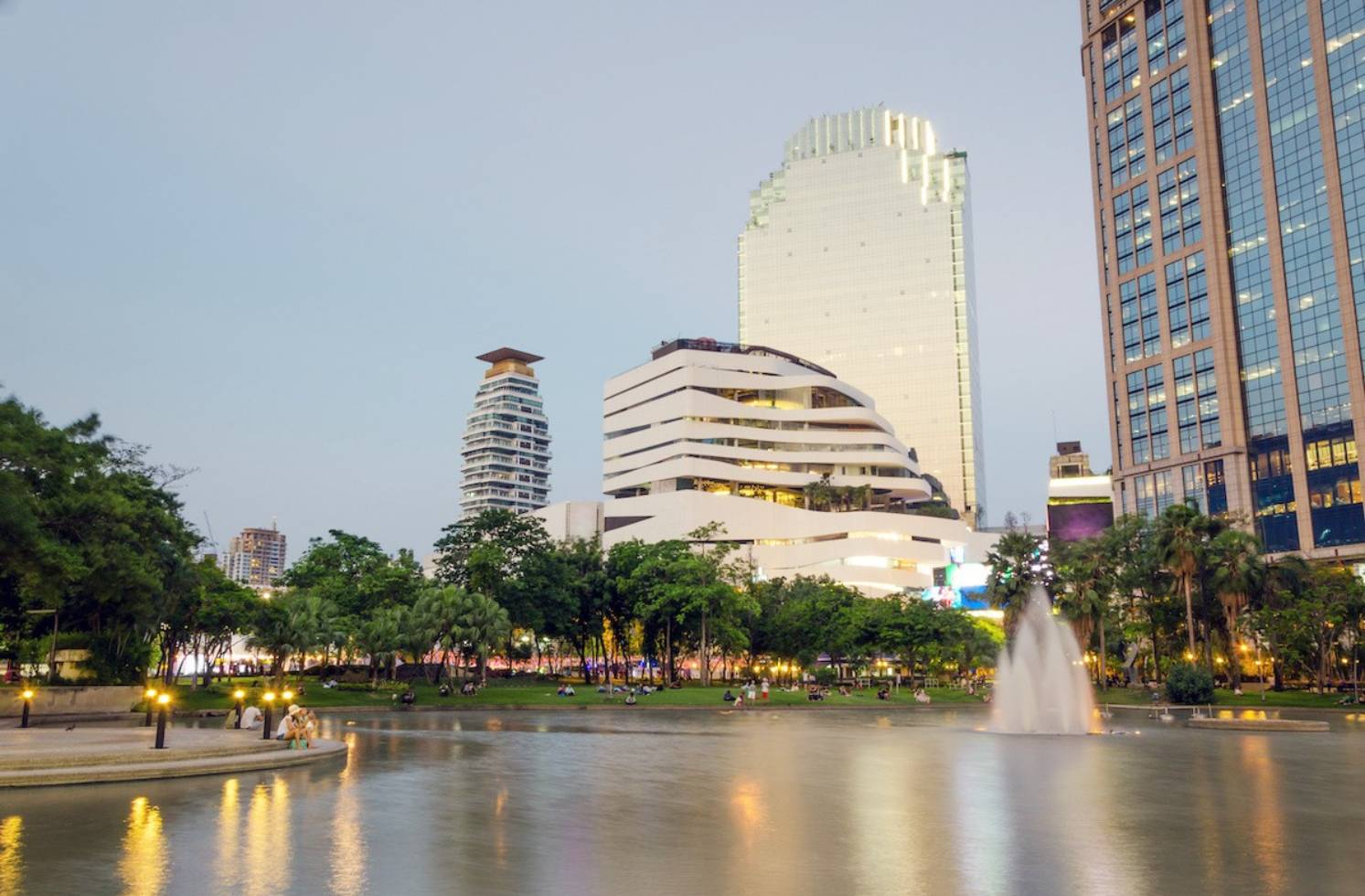
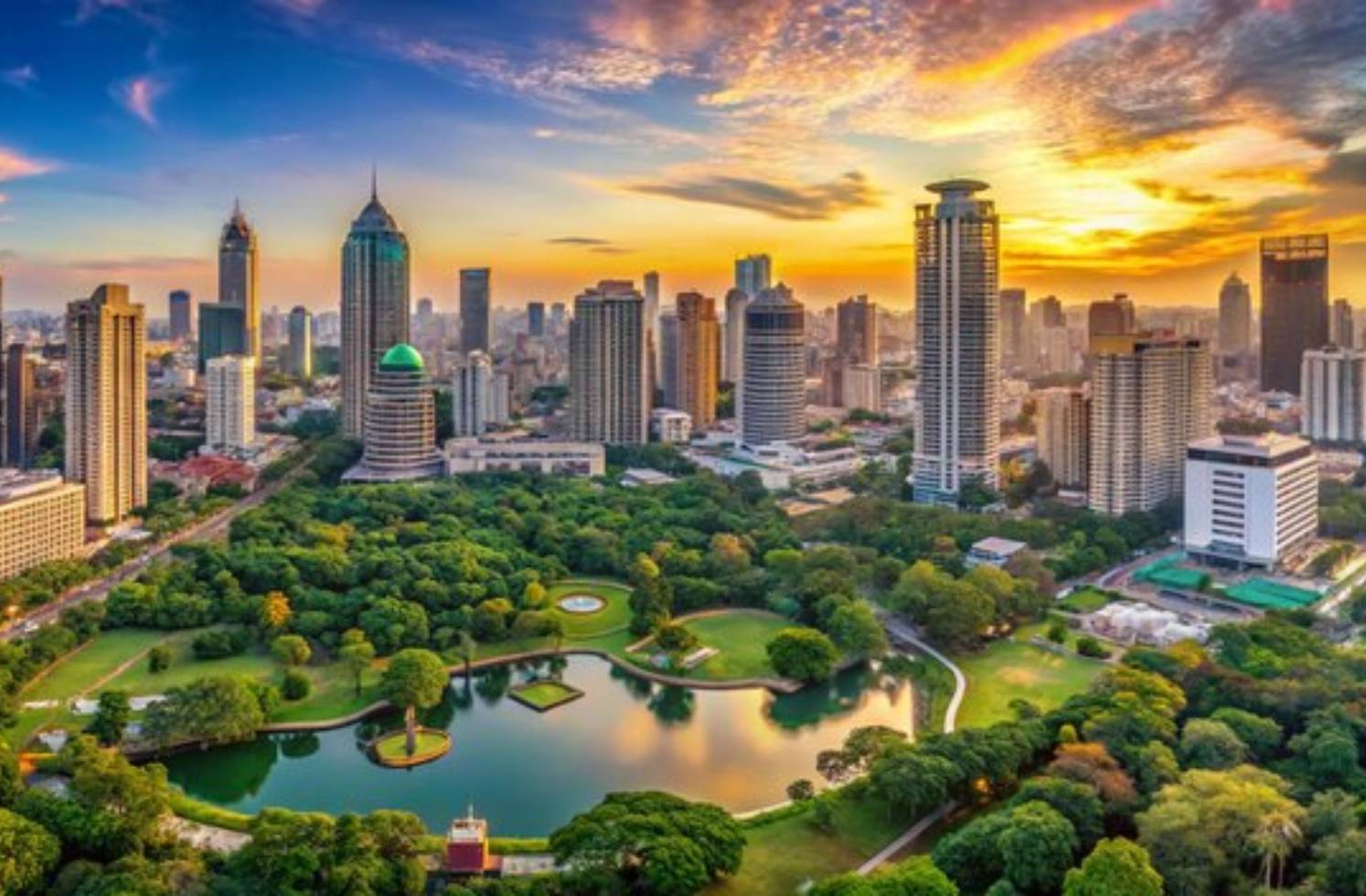
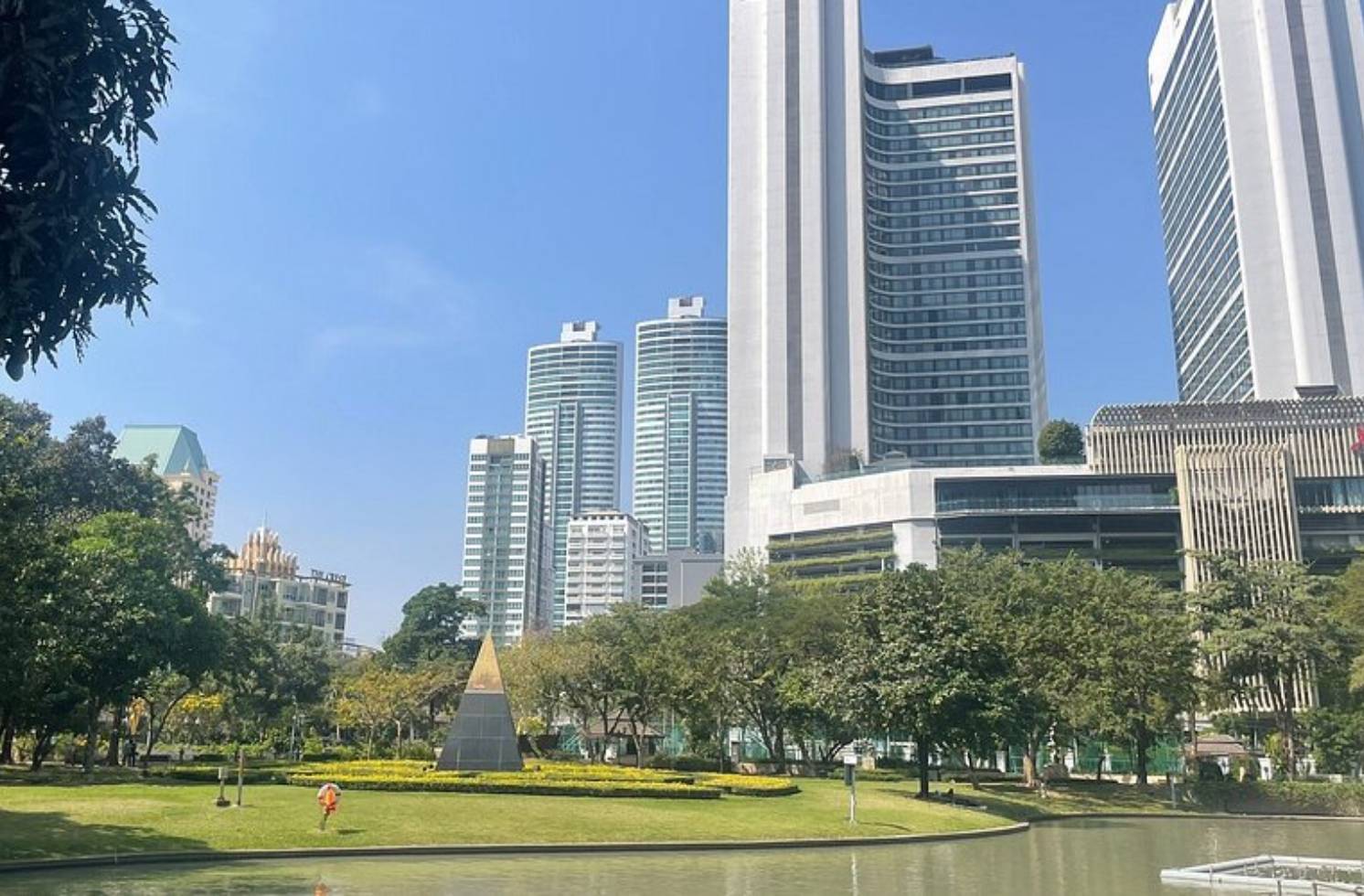
Benjasiri Park stands as one of Bangkok’s most charming urban green spaces. Located along Sukhumvit Road near the Phrom Phong BTS station, this park has become a beloved sanctuary for residents and tourists alike. Though smaller than larger counterparts such as Lumpini Park or Benchakitti Park, Benjasiri Park makes up for its compact footprint with a harmonious balance of greenery, art installations, recreation facilities, and cultural elements. Its prime location in the heart of Sukhumvit places it a short walk away from premier shopping destinations, upscale hotels, international businesses, and a flourishing restaurant scene.
The park was officially opened in 1992 to commemorate the 60th birthday of Her Majesty Queen Sirikit. Locally referred to as “Queen’s Park,” Benjasiri has undergone numerous enhancements over the years, introducing new sculptures, children’s play equipment, and meticulously maintained landscapes. Today, it attracts families, joggers, art enthusiasts, expatriates, and casual strollers looking for a respite from Bangkok’s intense tropical heat and frenetic pace. This comprehensive article unfolds the many facets that make Benjasiri Park special, delving into its history, prominent features, day-to-day activities, ecological significance, public accessibility, and the overall synergy it shares with surrounding hotels, offices, and shopping malls.
The following sections explore the evolution of Benjasiri Park, unveil the park’s design and art highlights, discuss its vibrant recreational culture, and provide insights into the city’s broader Sukhumvit district. We will then look into the leading shopping malls close by, the business environment, and practical travel tips, ultimately illustrating why Benjasiri Park maintains a cherished place in Bangkok’s ever-evolving urban tapestry.
The Historical and Cultural Roots of Benjasiri Park
Benjasiri Park’s inception was deeply influenced by the Thai royal tradition of public service. When Her Majesty Queen Sirikit turned 60 in 1992, city planners looked for a way to commemorate her milestone birthday in a manner befitting her appreciation for Thai arts and environmental conservation. The land chosen for the park was adjacent to the already thriving Sukhumvit Road, which had long been recognized for its cosmopolitan character and economic significance. The park was completed in time for the Queen’s birthday celebrations, and it took on the informal name “Queen’s Park” in popular reference.
Though many tourists are drawn to the famed palaces and temples that reflect older Thai history, Benjasiri Park presents a more contemporary perspective on Thailand’s monarchy and its role in urban development. By dedicating this park to Queen Sirikit’s 60th birthday, the Thai government underscored the royal family’s continuing commitment to the well-being of its citizens. Over time, this space has also become a venue for commemorations and smaller public ceremonies, aligning with the national reverence for the royal family.
Another cultural dimension lies in the park’s emphasis on art. Sculptures commissioned from various Thai artists pay homage to local creativity, each piece reflecting a distinct aspect of Thai culture or nature. The park’s design was intended to merge functional recreation spaces with artistic beauty, encouraging visitors to appreciate art within a tranquil, open-air environment. This approach was somewhat pioneering at a time when most urban parks in Thailand were primarily about greenery and exercise, without significant focus on sculptures or installations.
Over the decades, Bangkok’s cityscape has changed dramatically. New shopping malls, luxury condominiums, high-rise hotels, and office complexes now surround Benjasiri Park, intensifying its status as a green oasis amidst concrete verticality. The park has also played host to smaller royal tribute events, public awareness campaigns, and community gatherings. By situating a park in such a commercial and residential epicenter, urban planners effectively reinforced the tradition of preserving open spaces for everyday leisure and cultural enrichment, even as skyscrapers pushed skyward all around.
The park’s name, “Benjasiri,” combines Thai elements in a way that symbolizes the blessings of royalty and the significance of a revered space. Unlike larger parks with centuries-old historical narratives, Benjasiri Park offers a distinctly modern historical layer, bridging the monarchy’s continuing patronage, Bangkok’s rapid urban growth, and the desire of local residents to enjoy communal green space. This combination of modernity, culture, and monarchy fosters a unique identity that continues to charm long-time Bangkok dwellers and new visitors alike.
The Landscape and Artistic Flair of Benjasiri Park
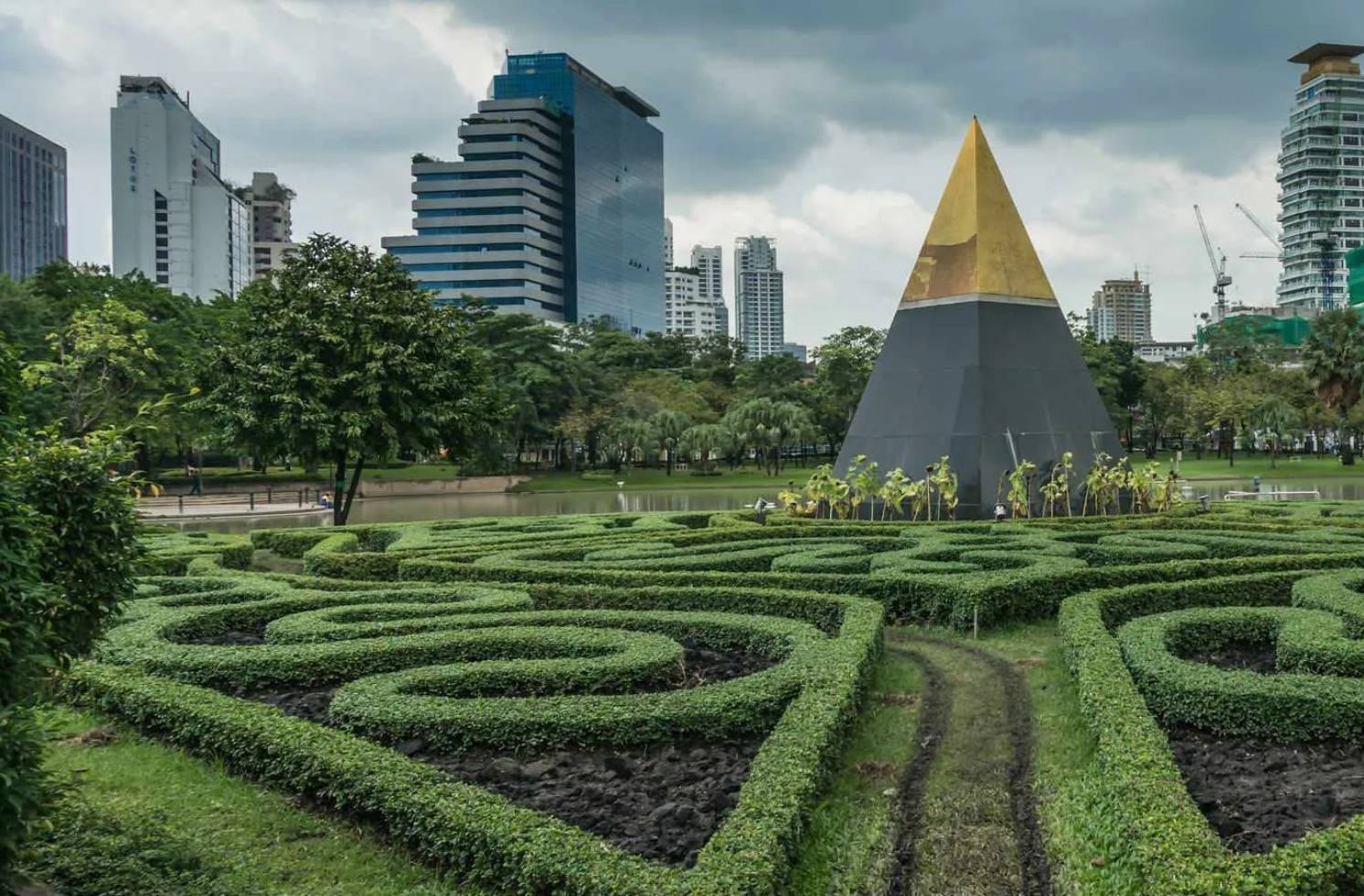
One of the distinguishing features that sets Benjasiri Park apart is its integration of sculptures and art installations throughout the property. Unlike many public parks that merely place statues at focal points, Benjasiri displays over a dozen pieces commissioned from renowned Thai artists. Each sculpture adds aesthetic diversity to the landscape, offering contemplative focal points for park-goers. Visitors can wander the winding paths, pausing at each art piece to appreciate the interplay of form, color, and the surrounding greenery.
Central to the park’s design is a large ornamental lake. This body of water is more than a decorative element; it acts as a secondary function in mitigating flooding by absorbing excess rainwater during Bangkok’s rainy season. Additionally, the lake creates a microclimate that provides a cooling effect, especially during the hottest times of the day. Walking paths encircle this lake, offering vantage points for gazing at sculptures placed near the water’s edge or simply enjoying the reflection of swaying palm trees.
Neatly trimmed lawns and landscaped flower beds bring ornamental blooms to the environment, reflecting Bangkok’s tropical climate and the Thai fondness for horticultural displays. The horticulture team regularly updates plantings to ensure that different species come into bloom at various times of the year. The result is a park that rarely looks the same from month to month. Careful attention is paid to nurturing native plants, which attract local bird species, butterflies, and small reptiles, thereby supporting an urban ecosystem.
Visitors who stroll through Benjasiri Park will notice that many of the sculptures echo traditional Thai motifs, but they also incorporate modern stylization. Some pieces celebrate femininity and motherhood—tributes to Queen Sirikit as a mother figure of the Thai nation—while others highlight nature themes, aligning with the park’s overarching identity as a natural refuge. A few of the sculptures are interactive, encouraging children to touch or climb on them, effectively blending art appreciation with playful discovery.
Though the park is relatively compact, there is a sense of curated flow from the main entrance near Sukhumvit Road into its deeper enclaves. This flow is evident in how the landscaping evolves from open lawns to denser sections with tall trees and canopy shade. The intention is to provide multiple micro-environments within the park: spaces for direct sunlight, spaces for partial shade, and hidden corners for seclusion. Certain walkways were designed in alignment with Feng Shui principles, reflecting the influence of various cultural traditions that permeate Thai urban design.
While it might be tempting to compare Benjasiri Park to sprawling green areas like Lumpini Park, part of its charm lies in the manageable scale and the carefully curated artistic approach. Tourists can fully explore the park in under an hour, yet still find new perspectives and small details worth revisiting. The synergy of sculptures, landscaping, water features, and subtle references to Thai culture infuses Benjasiri Park with a character unique among Bangkok’s many green spaces.
Recreational Activities and Park Features
Benjasiri Park offers a wide array of recreational facilities that cater to different age groups and interests. Families visit with young children to enjoy the well-equipped playground situated near one corner of the park. Designed with safety in mind, the play equipment includes swings, slides, and climbing structures. The park often resonates with youthful laughter, especially on weekends, making it a favorite spot for parents who want their kids to burn off energy in a safe environment.
Joggers are another mainstay of Benjasiri Park. Even though the jogging loop is shorter than those in larger parks, it presents a pleasant path that meanders around lawns, sculptures, and the central lake. In the early morning, the park comes alive with fitness enthusiasts who prefer starting their day in a green setting rather than in a gym. The relatively flat terrain and well-maintained pathways make it accessible for all fitness levels.
Throughout the day, visitors will often see small groups engaged in various exercise routines. Yoga and Tai Chi sessions are quite common, especially under shaded trees or near the water. In the late afternoon, some enthusiasts gather for group aerobics, often accompanied by energetic music. These routines are frequently led by local instructors or volunteers, and anyone is welcome to join. This sense of community fosters friendships and shared dedication to health, helping the park double as a social hub.
Basketball courts and a separate area for skateboarding provide additional options for those seeking more dynamic activities. While the basketball courts are frequently used by teenagers and local office workers, the skateboard area draws a small but passionate crowd who practice tricks and maneuvers. Benjasiri Park’s inclusive design ensures that sports facilities do not detract from its tranquil corners, allowing different visitors to enjoy the park in a way that resonates with their interests.
Pond-side seating and gazebos are scattered throughout the park, offering prime spots for relaxation, people-watching, or indulging in a good book. Many locals find these nooks perfect for unwinding after work or escaping weekend errands, letting the rustle of leaves and the gentle splash of water lull them into a peaceful state. The presence of these peaceful enclaves also makes the park a common site for informal picnics. Locals and tourists alike may bring snacks, fresh fruit, or take-away Thai dishes from nearby street vendors, transforming a simple afternoon into a scenic mini-retreat.
One can occasionally spot local photography enthusiasts taking advantage of the park’s blend of art, water features, and green backdrops. At certain times of the year, the park’s flowers bloom in vibrant shades, providing stunning frames for portraiture. Wedding photographers also choose Benjasiri Park for pre-wedding photo shoots, especially when couples want a location that merges natural elements with a modern cityscape looming in the background.
This spectrum of recreational activities—ranging from simple strolls to more active sports—ensures that Benjasiri Park appeals to a broad demographic. As the day progresses, different sets of visitors come and go, giving the park a dynamic rhythm. Mornings are dominated by fitness routines and dog-walkers, afternoons by families and casual visitors seeking shade, and evenings see a lively mix of joggers, food vendors, and social groups. This cyclical pattern further demonstrates the park’s robust integration into daily urban life in Bangkok’s Sukhumvit area.
Ecological Aspects and Sustainability
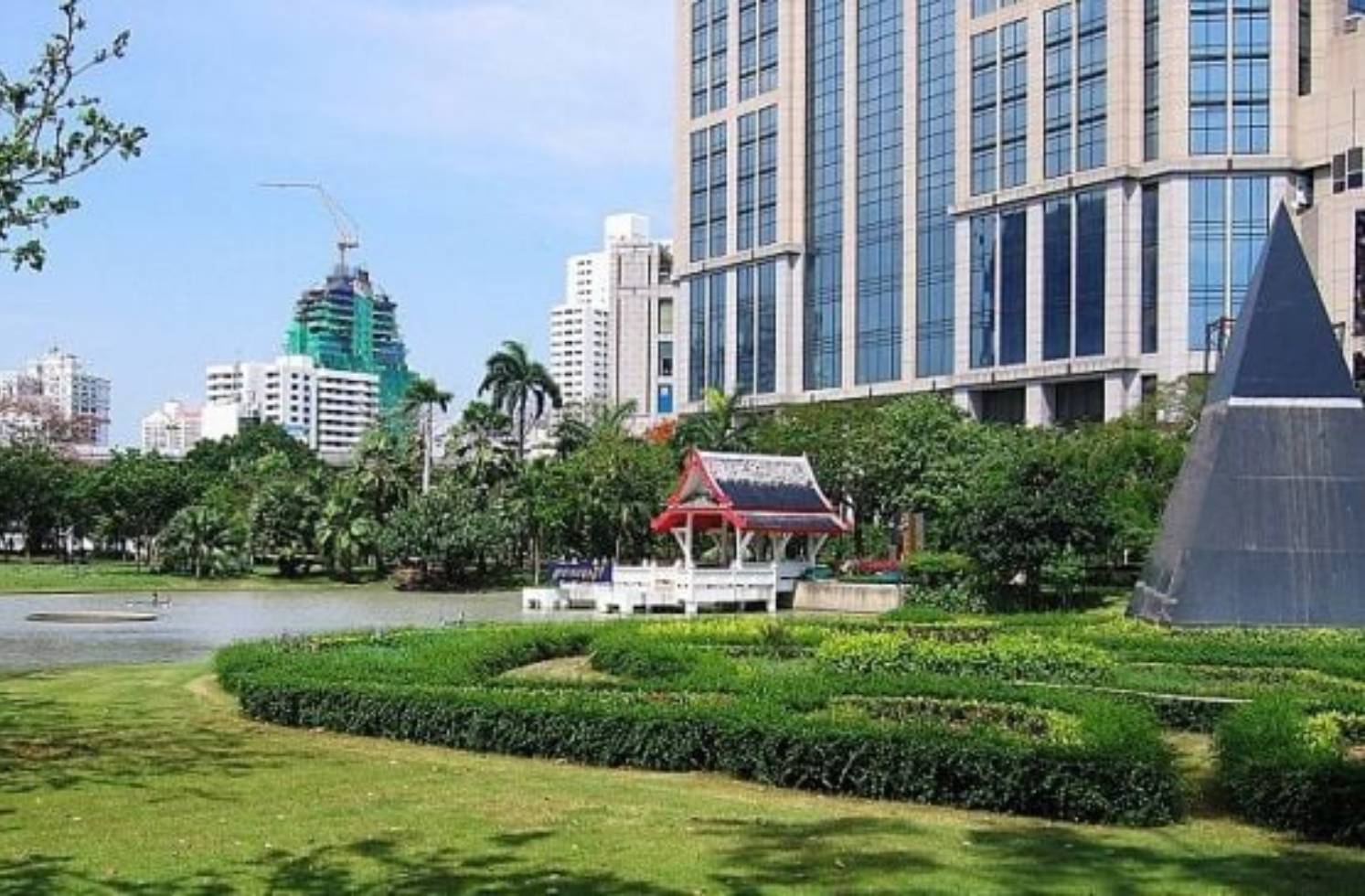
Even though Benjasiri Park spans only about eleven acres, it performs critical ecological functions within the densely built Sukhumvit area. Bangkok’s tropical climate can be unforgiving, with scorching temperatures and high humidity, and green spaces like this help reduce the urban heat island effect. The trees and lawns dissipate heat through evapotranspiration, giving visitors a cooler experience compared to the main roads. In addition, the park’s lake, although man-made, provides a limited habitat for fish and aquatic plants that support local biodiversity.
In line with broader environmental initiatives, the Bangkok Metropolitan Administration undertakes various sustainability measures to maintain the park’s ecological balance. Landscaping efforts prioritize native plant species that thrive in Thailand’s climate, thereby reducing the need for excessive pesticides or fertilizers. These plants also attract local bird species, offering occasional sightings of colorful birds or small reptiles that venture from hidden corners to sunbathe.
Park officials and local volunteers hold periodic tree-planting sessions, though these are more common in larger parks. The small scale of Benjasiri Park means that every new tree must be carefully considered for spacing and aesthetic harmony. Still, these efforts underscore a commitment to expanding or at least rejuvenating the park’s tree population, ensuring that future generations enjoy the same shady canopies as today’s visitors.
Waste management remains a key aspect of daily maintenance. Trash bins labeled for recyclables and general waste can be found throughout the park, reflecting Bangkok’s growing awareness of sorting waste at the source. While full-scale composting facilities are limited, park gardeners often collect organic matter such as fallen leaves or trimmed branches to create compost or mulch for use in flower beds.
Benjasiri Park also plays a role in local water management. Heavy rains in Bangkok can lead to flooding, and the park’s lake serves as a temporary reservoir. The presence of green areas helps slow down surface runoff, allowing rainwater to percolate into the soil before entering storm drains. This function, though modest, is essential in a district so heavily dominated by concrete.
Despite the positive steps, the park does face challenges in maintaining its ecological vitality. Air pollution from nearby traffic can coat leaves with particulate matter, affecting photosynthesis. The presence of invasive species in the lake occasionally requires intervention. Yet these are hurdles that most urban parks face worldwide, and Benjasiri Park’s conscientious upkeep manages to preserve a thriving pocket of nature where city dwellers can breathe easier and experience a sense of peace.
Access, Transportation, and Practical Considerations
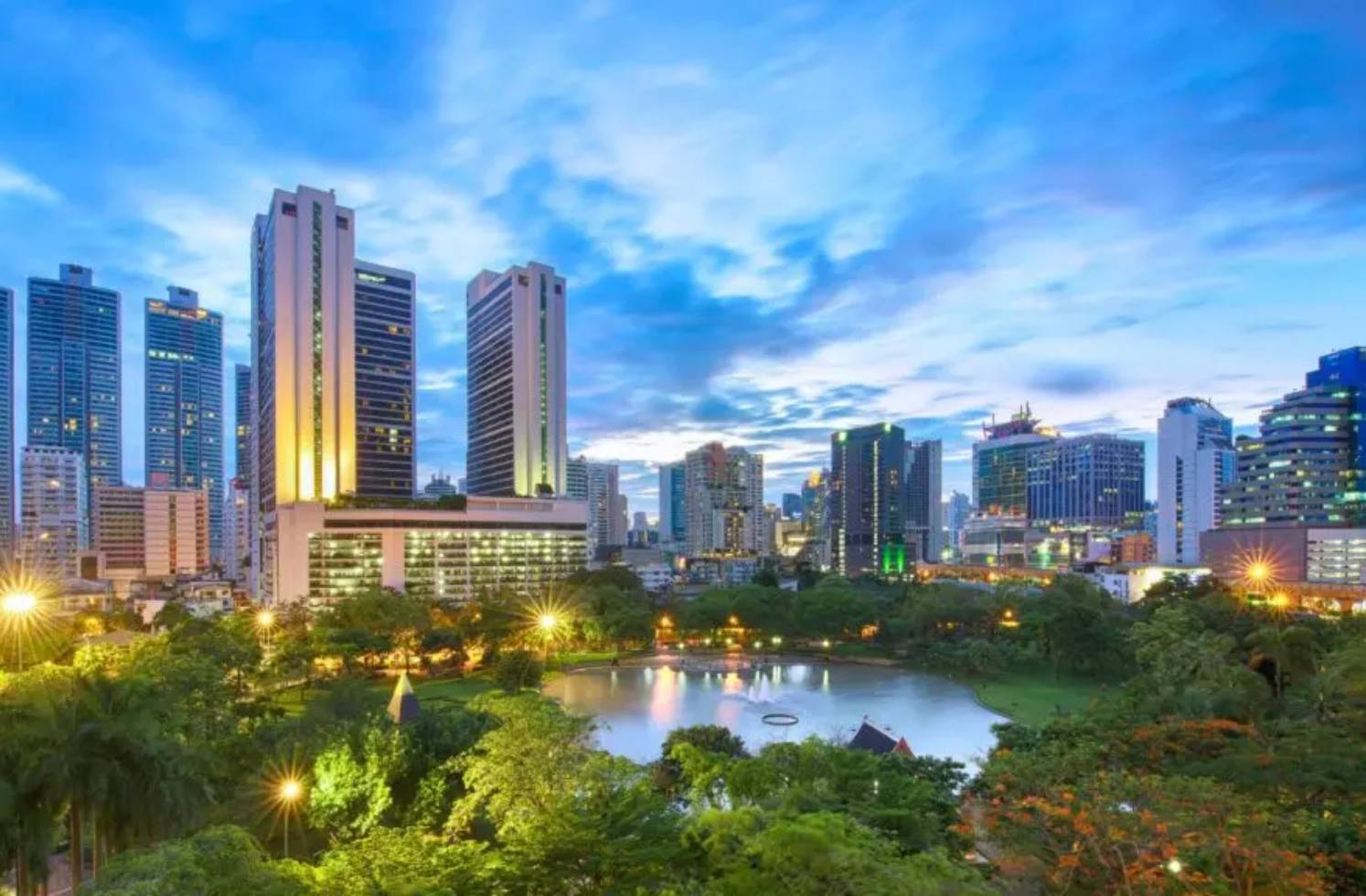
A key advantage of Benjasiri Park is its excellent connectivity through Bangkok’s public transport network. Phrom Phong BTS station is just a few minutes’ walk away, making the park easily accessible to residents, office workers, and travelers staying in nearby hotels. For those using the city’s MRT system, Asoke station is not too far off, though one might need to connect to the BTS at Sukhumvit station or walk several blocks along busy sidewalks. Taxis, tuk-tuks, and motorbike taxis are abundant in this part of the city, but the park’s prime location often makes the BTS the quickest and most reliable option, especially during peak traffic hours.
Once inside, visitors will find that Benjasiri Park has multiple entrances, although the main gateway faces Sukhumvit Road. The flat terrain and smooth pathways accommodate strollers and wheelchairs, offering a level of accessibility that some older parks lack. Public restrooms are located in select corners of the park, well-maintained, and usually quite clean, reflecting the attention given to visitor comfort.
The park typically opens in the early morning, around 5:00 or 5:30 a.m., and closes around 9:00 p.m. This schedule allows ample time for morning and evening jogs, as well as leisurely daytime visits. Though the park is safe compared to many urban areas around the world, visitors are still advised to keep an eye on personal belongings. Groups of security guards and park staff patrol regularly, ensuring that rules about littering, smoking, and closing times are followed.
Light snacks and refreshments can be found near the entrances. Vendors sell beverages like coconut water and juices, while certain stalls offer grilled meat skewers, fresh fruit, or small packaged snacks. While not as extensive as a food court, these options suffice for those who want a quick bite before or after a stroll. Families often bring their own food for small picnics, although full-scale picnic setups can be challenging in some areas due to limited lawn space.
In recent years, authorities have been more stringent about banning alcohol within the park. This rule aligns with efforts to maintain a family-friendly environment and reduce unwanted behavior. Additionally, feeding birds or releasing animals into the lake is generally discouraged, as it can upset the park’s ecological balance. Signage and occasional announcements remind visitors of these guidelines, promoting a respectful interaction with the environment.
Parking near the park can be difficult, especially during peak business hours, since Sukhumvit is among the most congested roads in Bangkok. Drivers might opt to park within the adjoining shopping complexes, such as The Emporium, which offer paid parking. However, public transport remains the most convenient way to reach Benjasiri Park, further underscoring its role as a communal space in a city that increasingly champions walkability and mass transit options.
Shopping Malls Near Benjasiri Park
Because Benjasiri Park is located near the Phrom Phong BTS station, visitors are conveniently positioned to explore some of Bangkok’s most prominent malls. These shopping centers not only serve as retail hubs but also as cultural and social spaces, reflecting the city’s status as a cosmopolitan metropolis.
The Emporium is practically adjacent to Benjasiri Park, with one of its entrances facing the green space. It was among Bangkok’s earliest luxury malls, housing upscale clothing boutiques, high-end jewelry stores, and fine dining restaurants. The mall also features a gourmet supermarket stocking imported goods, an international cinema, and dedicated floors for beauty and electronics. Many patrons enjoy grabbing coffee here before a leisurely stroll in the park.
EmQuartier is positioned across the street from The Emporium, forming part of the “EM District.” Showcasing a sleek, modern design, EmQuartier includes several zones, such as the Helix Quartier and Waterfall Quartier, each boasting its own architectural identity. A spiral corridor lined with restaurants offers a global gastronomic journey, while luxury fashion brands fill spacious boutiques. There’s even an atrium featuring an indoor waterfall and skywalk, emphasizing Bangkok’s increasing integration of nature-themed elements within commercial complexes.
EmSphere is the newest addition to Bangkok’s “EM District,” situated alongside The Emporium and EmQuartier. Designed to further elevate the area’s reputation for modern luxury and high-end retail, EmSphere combines sleek architectural elements with a strong emphasis on entertainment and lifestyle experiences. Within the complex, visitors can explore cutting-edge fashion boutiques, a curated selection of global dining options, and panoramic viewpoints that highlight the vibrant Sukhumvit skyline. One of the standout features here is Nakhon Spa, regarded by many as among the best spas in Bangkok. This serene wellness sanctuary integrates time-honored Thai healing traditions with contemporary spa techniques, offering treatments such as herbal compress massages, rejuvenating facials, and aromatherapy sessions in a luxurious, calming atmosphere. Whether stopping by for retail therapy or seeking a peaceful escape from the city’s bustle, EmSphere’s multifaceted offerings complete the EM District’s trifecta of upscale shopping, dining, and relaxation.
Just one BTS stop away lies Terminal 21 at the Asoke intersection. Terminal 21 adopts an international travel theme, with each floor representing a different world city—Tokyo, London, Istanbul, San Francisco, and so forth. Shoppers can expect a balanced mix of international brands and small local stores selling unique Thai-designed clothing, accessories, and souvenirs. The top-floor food court is especially popular with both locals and tourists, thanks to its wide variety of affordable dishes.
These malls collectively present a range of shopping and dining experiences, from luxurious to budget-friendly. Visitors who spend time in Benjasiri Park often find it convenient to refuel at one of the mall eateries or explore the latest promotions at the retail outlets. Whether seeking fashionable apparel, electronics, groceries, or simply a place to cool off in air-conditioned comfort, the malls around Phrom Phong station complement the relaxation offered by the park.
Nearby Hotels and Accommodation Options
Benjasiri Park’s surroundings feature an impressive array of hotels and serviced apartments catering to diverse budgets and tastes. Phrom Phong sits along Sukhumvit Road, one of Bangkok’s most upmarket districts. Here, towering five-star hotels stand side by side with boutique guesthouses and lifestyle-centric serviced apartments.
Luxury seekers often choose world-renowned establishments like The Hilton Sukhumvit or Marriott Marquis Queen’s Park. These hotels provide high-end amenities such as rooftop pools, fine dining restaurants, executive lounges, and spa facilities. Their proximity to the BTS makes it easy for guests to explore the city, while the short distance to Benjasiri Park offers a tranquil retreat after a busy day of meetings or sightseeing.
Mid-range travelers might select boutique hotels or smaller chains that emphasize design aesthetics and personalized service. These properties often occupy renovated older buildings or newly constructed sites, blending modern Thai elements with Western comforts. Many of them boast on-site cafés serving artisanal coffee and fusion cuisine, appealing to a younger, cosmopolitan clientele.
Serviced apartments in this area, such as those offered by Somerset or Citadines, attract long-stay guests, business travelers, and families seeking the convenience of a full kitchen and more generous living space. Such properties frequently highlight their proximity to Benjasiri Park as a selling point. Visitors can enjoy daily strolls or morning workouts in a natural setting, contrasting pleasantly with the high-rise environment.
For budget-conscious travelers, the backpacker-oriented scene around Sukhumvit might not be as extensive as in other parts of Bangkok, yet there are still a few hostels and guesthouses tucked into side alleys. These smaller outfits sometimes provide unique touches like communal lounges or rooftop bars. Though basic, these accommodations still benefit from the park’s closeness and the neighborhood’s diverse food and entertainment options.
Benjasiri Park ultimately contributes to the overall neighborhood allure for tourists. Hotels frequently highlight the park in their marketing materials, encouraging guests to enjoy a slice of greenery without straying far from the city center. In turn, travelers staying in the area enjoy a balance between metropolitan excitement and pockets of serenity, reflecting Bangkok’s distinctive blend of commerce and culture.
The Business Landscape Around Benjasiri Park
Sukhumvit Road’s reputation as a commercial hub is well-established. Stretching from central Bangkok all the way beyond the city limits, Sukhumvit is a continuous corridor of office towers, shopping complexes, condos, restaurants, and entertainment venues. Within walking distance of Benjasiri Park, visitors will notice a variety of business activities, particularly between the Asoke and Phrom Phong intersections.
Modern high-rise buildings serve as headquarters or regional offices for multinational corporations involved in finance, technology, healthcare, and more. Many of these offices value their location near the BTS, given Bangkok’s notorious traffic congestion. When lunch breaks roll around, employees often head to local cafés, street food stalls, or the shopping malls’ food courts. Some use the time to relax in Benjasiri Park, or even squeeze in a quick jog. This makes the park an integral part of daily life for many professionals in the area.
Co-working spaces have also proliferated, reflecting Bangkok’s rising status as a digital nomad hub and entrepreneurial city. Spaces like WeWork and other boutique co-working venues can be found in various Sukhumvit complexes, each offering modern workstations and networking events. These facilities attract freelancers, start-up teams, and corporate remote workers. The presence of a public park nearby is often cited as a quality-of-life factor, encouraging breaks in green surroundings.
The synergy between the commercial sector and Benjasiri Park becomes evident in corporate-sponsored events or community outreach projects. For instance, companies might organize mini health fairs or eco-friendly initiatives within the park, aligning brand image with social and environmental responsibility. Weekend fairs, marathons, or small expositions sometimes take place in or around the park, allowing businesses to engage with the public in a more relaxed setting.
Office towers commonly house showrooms, spas, dental clinics, and even aesthetic medicine centers. This indicates the breadth of commercial activity in a district where residents expect easy access to both essential services and premium lifestyle offerings. Meanwhile, the park stands as a reminder that no matter how dense and corporate the cityscape becomes, there remains room for nature and leisure in Bangkok’s professional ecosystem.
Culinary Delights and Nightlife
One hallmark of the Sukhumvit area around Benjasiri Park is the diversity of its culinary landscape. Bangkok’s status as a global city is nowhere more evident than in its food scene, which spans small street-food stalls to Michelin-starred fine dining. Within a short distance of the park, visitors can indulge in a world tour of gastronomy.
Thai cuisine, of course, takes center stage. The street vendors just outside the park or along Sukhumvit Road commonly serve staples like pad thai, tom yam kung, som tam (papaya salad), and grilled meats on skewers. These vendors are often the best way to sample local flavors at very reasonable prices. Some stalls may offer fresh fruits, sticky rice, or Thai desserts that capture the essence of tropical sweetness.
Moving up the scale, the malls and standalone restaurants in Phrom Phong cater to more international tastes. One can easily find Japanese sushi bars, Italian trattorias, French patisseries, American steakhouses, and Middle Eastern kebab joints. Given the area’s international resident base, many establishments maintain high-quality standards that compare favorably to their counterparts abroad. The Helix Dining zone in EmQuartier, for instance, is celebrated for its variety of cuisines set against a stylish backdrop.
Nightlife here, while not as wild as in neighborhoods like Thonglor or Nana, still offers plenty of after-dark options. Rooftop bars in nearby hotels provide sweeping views of the cityscape, making them a favorite for couples and business travelers alike. These bars often feature artisanal cocktails, contemporary music, and a refined ambiance that stands in contrast to the grittier party districts. For those seeking more casual venues, smaller bars and pubs line Sukhumvit’s side streets. Many of these establishments host themed nights, live music, or comedy shows, giving visitors multiple ways to spend an entertaining evening.
For coffee enthusiasts, the area offers a burgeoning café culture that embraces third-wave coffee movements. Trendy cafés emphasize single-origin beans, latte art, and cozy interior designs. Some cafés even double as co-working spots, providing Wi-Fi, light meals, and an environment conducive to remote work or casual gatherings. Additionally, dessert shops featuring artisanal gelato, baked goods, or matcha-themed items are increasingly popular among Bangkok’s younger generation.
As a culinary and nightlife enclave, Sukhumvit complements the serene experience of Benjasiri Park. One might start the day with a peaceful yoga session in the park, enjoy a cup of coffee in a nearby café, savor lunch at a street stall, and return for a jog at dusk. By nighttime, the area’s bars, clubs, or sophisticated restaurants beckon those who want to wind down or socialize. This holistic daily rhythm—the interplay between nature in Benjasiri Park and the diverse amusements found in the surrounding neighborhood—encapsulates modern Bangkok living at its finest.
Health and Wellness Communities
Bangkok’s growing awareness of health and wellness is evident in the gatherings and mini-events often held in Benjasiri Park. Fitness groups might meet to share workout routines or cross-training sessions. Yoga instructors sometimes hold open-air classes, welcoming new participants to experience the tranquility of practicing asanas beneath swaying palm trees. These sessions, while informal, highlight the city’s shift toward more holistic lifestyles.
Wellness extends to mental health, with meditation or mindfulness groups occasionally hosting sessions in quieter corners of the park. The synergy of being outdoors in fresh air, listening to birds, and feeling the warmth of the sun adds a dimension of serenity that indoor studios cannot replicate. Some participants combine these sessions with journaling or sketching, fostering a communal environment of self-improvement and creative expression.
Spas and wellness centers dot the surrounding neighborhood. Many offer traditional Thai massages, known for their therapeutic combination of stretching, pressure points, and rhythmic compressions. Others focus on aromatherapy, hydrotherapy, or specialized treatments like reflexology and herbal compress sessions. These facilities often partner with nearby hotels, providing guest packages that include park walks or guided tours of the public green spaces.
For many residents and long-term visitors, Benjasiri Park represents a pivot toward more balanced lifestyles. The park’s presence encourages morning jogs, midday mental breaks, and evening family walks, all of which contribute to better physical and emotional health. Weekend farmers’ markets sometimes appear near the park, offering organic produce, handmade crafts, and natural skincare products. Though relatively small, these events echo a broader trend in Bangkok: the growing preference for healthy, sustainable living.
The emphasis on wellness merges seamlessly with the area’s existing attractions, forming a network of possibilities. Someone could finish a yoga class in the park, replenish at a vegetarian café in the neighborhood, visit a wellness spa in a nearby hotel, and then spend the afternoon exploring the shops. This cohesive integration of activities shapes a lifestyle tapestry where Benjasiri Park acts as both a literal and symbolic center of well-being in an otherwise fast-paced city.
Cultural Events and Gatherings
Although Benjasiri Park is smaller in scale compared to some of Bangkok’s major event venues, it still hosts periodic cultural activities that enrich the community. During national holidays or special occasions like the Queen’s birthday, local officials sometimes organize flower exhibitions or small concerts that pay tribute to the park’s namesake. These events allow residents and visitors to experience a different side of Thai tradition without venturing to crowded tourist hotspots.
(Second bullet point usage)
• In some instances, the park becomes a site for Loi Krathong festivities, Thailand’s renowned festival of lights where people float small decorative baskets on water. Although more significant celebrations occur along the rivers and larger lakes, a modest number of visitors gather at Benjasiri Park’s lake to release their krathongs, creating a beautiful spectacle of candlelight and flowers.
• Local schools and volunteer groups occasionally use the park for environment-focused educational programs, teaching children about ecology, plant life, and the importance of preserving green spaces in cities. These sessions often include tree identification walks, litter cleanups, and basic gardening lessons.
At certain times, especially toward the holiday season, small art fairs or craft markets may pop up. Artisans display handmade products like ceramic items, woven textiles, or paintings, blending the park’s inherent artistic spirit with community commerce. Live acoustic performances might accompany these gatherings, adding a musical layer to the atmosphere. For travelers, these localized events offer an authentic glimpse into daily Bangkok life, beyond the typical tourist circuit.
During Songkran (Thai New Year), Benjasiri Park can see playful water splashing among friends and families, though not as intensely as in Silom or Khao San Road. Individuals looking for a quieter but still festive experience might prefer a simpler celebration in the park, away from the massive crowds. In this sense, Benjasiri Park serves multiple roles: a relaxing everyday space, a platform for cultural expression, and an alternative venue for seasonal festivities.
Comparing Benjasiri Park with Other Bangkok Parks
Bangkok’s assortment of parks each has its own unique atmosphere. Lumpini Park, for instance, is far larger and has a broader range of features, including lakes with paddleboats, a library, and regular open-air events. Benchakitti Park, near the Queen Sirikit National Convention Center, focuses heavily on expansive wetlands and large open spaces for jogging and cycling. Chatuchak Park, situated near the famous Chatuchak Weekend Market, attracts visitors who want to combine shopping with lakeside relaxation.
Benjasiri Park occupies a distinct niche within this lineup. It is conveniently located in an upscale, cosmopolitan neighborhood that merges entertainment, business, and residential living. Despite its smaller size, the park’s devotion to sculpture art and well-kept landscaping makes it a visually appealing space. The presence of daily aerobic groups, children’s playgrounds, and a variety of sports facilities ensures that the park draws consistent local foot traffic throughout the week.
Though some visitors might choose a larger park if they’re seeking a full-day outing immersed in nature, Benjasiri Park’s strongest appeal lies in its integration with the surrounding city. Tourists can easily combine a few hours at the park with shopping, dining, or exploring local galleries. Residents working in nearby offices can make frequent short visits to exercise or destress without needing to plan an extended trip. The synergy is enhanced by the immediate availability of the BTS, mitigating the need for private vehicles in a city infamous for traffic snarls.
In effect, Benjasiri Park isn’t merely a scenic spot in isolation. It’s a living part of Sukhumvit, woven into daily life through commerce, fitness, art, and culture. Bangkok’s cityscape thrives on such pockets of greenery, which become epicenters for human interaction and well-being. By recognizing the strengths of each park, visitors and residents can craft varied experiences, from marathon training at Lumpini to cultural exploration at Benjasiri, thus savoring the city’s multifaceted urban ecology.
Tips for Visiting and Etiquette
Benjasiri Park is user-friendly, though first-time visitors may benefit from a few practical tips to enhance their experience. The early morning hours, generally between 6:00 a.m. and 8:00 a.m., offer the most pleasant temperature for workouts. Joggers find the loop particularly inviting at that time, and photographers appreciate the soft morning light illuminating sculptures and water reflections. Afternoons in Bangkok can be quite warm, so bringing a hat, sunglasses, and sunscreen can make walks more comfortable.
While the park is relatively safe, maintaining basic precautions is advisable. Valuables should be kept secure, and any suspicious behavior can be reported to park staff or the guards stationed around the grounds. If you plan to have a small picnic, be sure to pick up after yourself and use the available trash bins.
Park officials discourage loud music or disruptive activities that may disturb other visitors, especially in areas near the sculptures or the playground. Thailand places a high emphasis on courteous behavior in public spaces, so visitors are encouraged to be mindful of their volume and respect the serenity that many come to enjoy.
• If you’re visiting with children, note that the playground can become crowded on weekends, so watching younger kids closely is important.
• For those interested in feeding fish in the lake, it’s recommended to use fish food from authorized vendors instead of bread or human food, as the latter can harm the aquatic ecosystem.
Finally, capturing photos is welcomed in most areas, but any commercial or elaborate photo shoots—such as professional wedding photography—may require permission from park authorities. Signs in both Thai and English clarify the guidelines, ensuring that the park maintains its balance between public enjoyment and respectful preservation of its facilities.
Future Prospects and Development
Bangkok’s city planners recognize the importance of urban parks in promoting healthier lifestyles, improving air quality, and creating cohesive neighborhoods. Benjasiri Park, given its popularity and strategic location, is likely to continue receiving improvements and refurbishment. Plans may include upgrading walkways with more durable materials, enhancing the lighting system with energy-efficient LED fixtures, and potentially introducing new art pieces to refresh the park’s artistic appeal.
The park’s adjacency to The Emporium and EmQuartier suggests further collaborations for events and promotions. Festival-themed light displays, sculpture exhibitions, or outdoor cultural performances could see expansions in the coming years. Both mall operators and city authorities have expressed interest in bridging commercial spaces with public areas to create a more integrated city life. Such partnerships benefit businesses by drawing more foot traffic and park visitors by offering richer experiences.
As Bangkok marches toward its vision of becoming a smart city, there might be initiatives to incorporate technology into the park’s operations. These could include digital signboards that provide real-time information about weather, events, or guided walking routes, as well as the possibility of an official app that integrates map features, sculpture details, and educational tidbits about local flora and fauna.
Additionally, sustainability practices remain a focal point for future development. The government and private stakeholders might collaborate on expanded recycling programs, increased tree planting drives, or bio-friendly pest control methods. While Benjasiri’s size constrains large-scale ecological projects, incremental changes can still enhance the park’s green credentials.
What remains certain is that Benjasiri Park will continue to hold a cherished position in Bangkok’s cultural and social framework. In a city grappling with issues of congestion, pollution, and ever-climbing skyscrapers, the role of small but vibrant parks becomes more critical. They stand as living reminders that urban growth need not come at the cost of human well-being or natural beauty.
Conclusion
Benjasiri Park may not boast vast expanses of wilderness or the historical gravitas that older royal parks in Bangkok possess, yet it resonates powerfully with those who seek a harmonious blend of art, culture, and nature within the modern city. Opened in honor of Her Majesty Queen Sirikit’s 60th birthday, the park has since evolved into an everyday destination for families, fitness buffs, and art lovers. Its curated sculptures, tranquil lake, children’s playground, and sports facilities provide a multifaceted refuge from the bustle of Sukhumvit Road.
Surrounded by upscale malls such as The Emporium and EmQuartier, hotels spanning every price range, and a proliferating business community, Benjasiri Park exemplifies Bangkok’s knack for integrating green public spaces into the heart of commercial districts. Visitors can stroll through the park’s shaded walkways, admire local art, and then within minutes immerse themselves in some of the city’s finest dining or shopping. This convenience, coupled with the park’s intimate scale, encourages frequent visits among residents and tourists alike.
Over the years, Benjasiri Park has become not just a local asset, but also a microcosm of Bangkok’s ethos—an ethos that emphasizes cultural continuity alongside rapid modernization, ecological mindfulness amid urban sprawl, and communal well-being in a bustling, cosmopolitan environment. Even as high-rise condos and corporate towers multiply, the park remains a sanctuary of peace and creative expression, reminding all who step inside that a balanced city life requires pockets of stillness.
Whether one is a traveler exploring Sukhumvit for the first time or a local resident building daily routines around the park’s tranquil environment, Benjasiri Park stands ready to enchant. The interplay of art, landscape, leisure, and community forms an experience that is both distinctly Thai and universal in its invitation to slow down and appreciate the simple joys of a well-designed public space.
In a metropolis where myriad attractions compete for attention, Benjasiri Park consistently offers something special—an embracing calm, a visual feast of sculptures and nature, and a comforting sense of belonging. It is this irresistible blend that cements Benjasiri Park’s reputation as one of Bangkok’s most endearing urban retreats, a place where every visitor can find both respite and inspiration in the very heart of a city that never sleeps.